Russia's July Oil Revenues Could Surge 60% Amid Rising Global Prices, Impacting Tech Investment Climate
Russia's oil and gas revenues for July may rise 60% year-on-year, reflecting global price trends with mixed implications for the nation's tech and startup sectors.
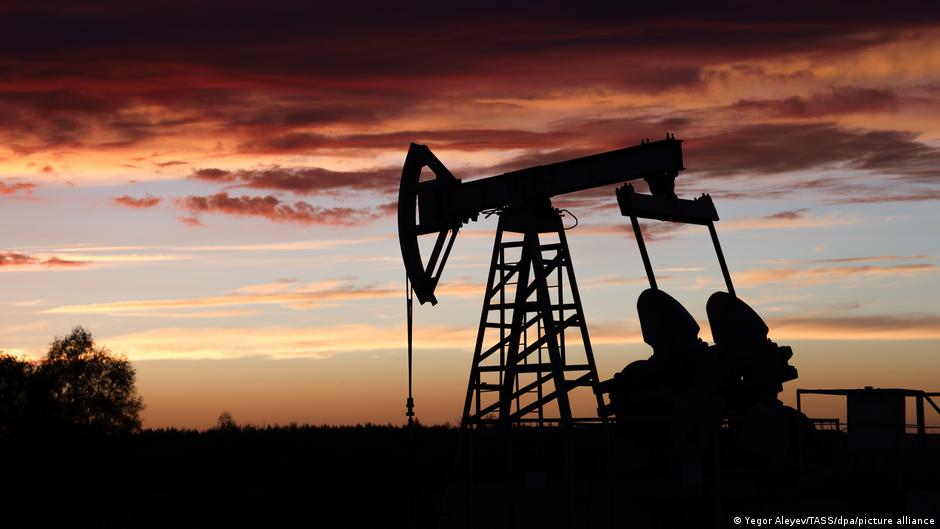
Russia's oil and gas revenues in July 2026 are projected to be approximately 60% higher than in July 2025, driven primarily by a notable increase in global oil prices, according to an industry analysis published recently. This surge comes despite ongoing geopolitical tensions and newly imposed EU sanctions aimed at restricting Russia's hydrocarbon earnings.
Key Drivers Behind Revenue Growth and Economic Implications
As the world's third-largest oil producer and exporter, behind only the United States and Saudi Arabia, Russia relies substantially on its energy sector for fiscal revenues. Hydrocarbon sales contribute roughly 20% to the federal budget's income streams, underscoring the significant role of oil and gas in Russia's economic structure.
The recent rise in oil prices on global markets has translated into increased revenue for Russia's state coffers. Additionally, a sharp uptick in profits from oil extraction taxes during the second quarter of 2026 has compounded this effect, bolstering the overall inflow of funds from the energy sector.
"Higher oil prices and increased extraction taxes have combined to drive a substantial rebound in Russia’s oil and gas revenues in July," said a market analyst.
However, when examining the broader January to July 2026 period, revenues from oil and gas are still estimated to be 11% lower than in the same interval last year, totaling around 4.9 trillion rubles. The official figures from the Russian Ministry of Finance are expected by early August, which will provide clarity on the government's fiscal health amid ongoing economic sanctions.
Last year, Russia experienced a 24% drop in federal budget revenues from oil and gas, falling to 8.48 trillion rubles—the lowest level since 2020. The contraction was largely attributed to volatile global energy prices and the escalating impact of international sanctions.
Implications for Russia’s Tech and Startup Ecosystem
The fluctuations in Russia’s energy revenues carry significant implications for the broader economy, particularly the technology and startup sectors. Increased oil earnings typically strengthen the government’s fiscal position, potentially allowing more public investment in innovation and infrastructure.
Yet, the imposition of the European Union’s 21st sanctions package, which came into force on July 23, targets Russia’s energy exports to limit funding for military operations. Such measures could dampen state revenues over the medium term, tightening fiscal constraints and potentially reducing available capital for venture funding and technology initiatives.
Industry observers note that while short-term gains from rising commodity prices might provide temporary relief, ongoing geopolitical risks and sanctions weigh heavily on investor confidence. This environment challenges Russian startups seeking venture capital, as international funding sources remain cautious about exposure to sanctioned markets.
Moreover, the reliance on hydrocarbon revenues reinforces the need for economic diversification in Russia, particularly through nurturing technology-driven enterprises that can attract both domestic and foreign investment beyond the energy sector.
In summary, while July’s revenue uptick offers a momentary boost, the longer-term impact on Russia’s innovation ecosystem hinges on the interplay between energy market dynamics and the evolving geopolitical landscape.