Saudi Pipeline Outage Threatens Oil Supply and Startup Funding Climate
A prolonged shutdown of the East-West pipeline could cut global oil supplies by 4%, raising new risks for energy markets and venture-backed firms.
A prolonged shutdown of Saudi Arabia’s East-West oil pipeline could reduce global oil supplies by 4%, adding a fresh layer of uncertainty for energy markets and for the startups, investors and strategic buyers whose plans are tied to fuel prices, logistics costs and capital-market confidence.
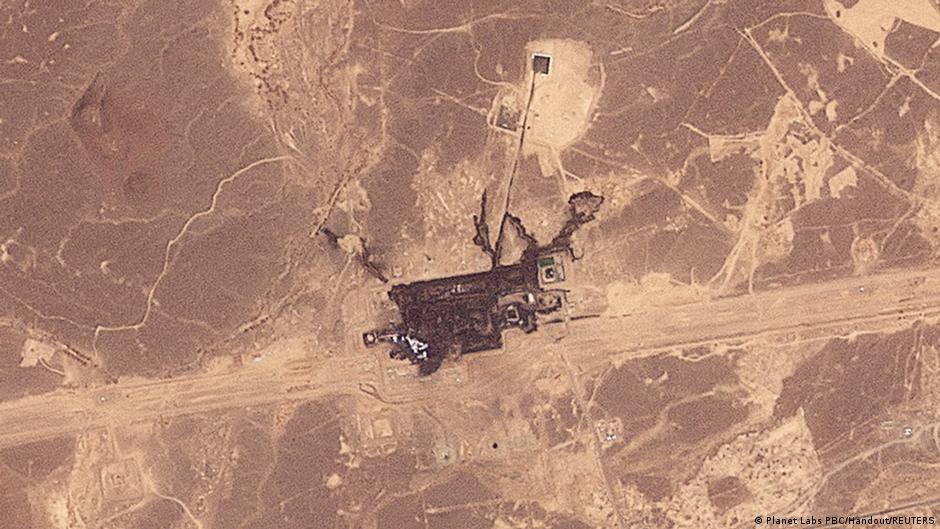
The pipeline was halted after drone attacks attributed in the Russian-language source to the Houthis. How long repairs will take remains unclear. If Riyadh does not restore the route in the coming days, Saudi Arabia could face a shortage of oil reserves available for export, Reuters reported on Sunday, September 13, citing informed sources in the oil market. Their estimate points to a potential 4% decline in global supply.
Saudi authorities have not provided full information on the scale of damage to the pipeline or on the timing for a restart. The country’s energy ministry said the pipeline was suspended on September 11 as a “precautionary measure” after drone strikes from Iraqi territory hit Riyadh and Medina provinces.
One market source said repairs could take five to six weeks, while another said work may be completed faster and pumping could resume before repairs are fully finished.
For venture capital, the immediate story is not only oil. A supply shock of this size can ripple through the operating assumptions behind startups in mobility, logistics, aviation, industrial software, climate technology and supply-chain automation. Higher energy prices can compress margins for companies that already operate on thin unit economics, while volatility can make late-stage investors more cautious about growth forecasts and exit timing.
Energy Volatility Reaches the Startup Economy
The East-West pipeline runs for 1,200 kilometers, linking Saudi Arabia’s main oil fields in the east with the Red Sea port of Yanbu. The route allows Riyadh to ship millions of barrels of oil per day without using the Strait of Hormuz, where traffic has been restricted by Iran. That makes the pipeline more than a national infrastructure asset: it is a strategic bypass in a region where energy transport routes directly affect global pricing and risk models.
After the start of the war against Iran, Saudi Arabia sharply increased its use of the pipeline. By June, exports through the route had reached nearly 8 million barrels per day, according to an estimate by the International Energy Agency. In recent weeks, however, the route’s capacity has declined because of Houthi attacks on Saudi tankers in the Red Sea.
In August, about 2.5 million barrels per day were shipped through Yanbu, the lowest level since 2013, according to the IEA’s latest monthly report. That decline already suggested a narrowing margin of flexibility before the September shutdown. The new interruption now raises questions about how quickly Saudi Arabia can restore dependable export flows and how much spare resilience remains in global energy infrastructure.
For startups, the consequences vary by sector. Freight-tech companies may see customers demand faster cost controls and route optimization. Mobility startups, including delivery and fleet platforms, could face higher operating costs. Industrial AI, energy analytics and infrastructure-monitoring firms may find stronger demand from customers seeking predictive maintenance, security, and real-time risk assessment. Climate and alternative-energy companies could also see renewed attention, though such interest often depends on whether investors view the shock as temporary volatility or a structural signal.
The venture market is especially sensitive to macro conditions because funding decisions rely on confidence in future growth and exit environments. If oil-market disruption feeds inflation expectations or weakens public-market sentiment, it can affect valuations, M&A appetite and IPO planning. Strategic acquirers in transport, energy, chemicals and manufacturing may become more selective, while some may accelerate acquisitions of software and hardware companies that reduce exposure to geopolitical disruption.
M&A and Innovation Implications
The incident may strengthen the investment case for technologies that make physical infrastructure more resilient. That includes drone detection, pipeline monitoring, maritime security, satellite analytics, autonomous inspection systems and cyber-physical risk platforms. The attacks described in the source highlight how relatively targeted disruptions can affect assets moving millions of barrels per day, and therefore influence both commodity markets and industrial technology demand.
Saudi Aramco had previously returned the East-West pipeline to service quickly after an April attack. The current uncertainty is different because sources offered repair expectations ranging from a faster restart to a possible five- or six-week disruption. For investors, that range matters: a brief stoppage may be absorbed as another geopolitical shock, while a longer outage could force portfolio companies and acquirers to revise forecasts.
The broader innovation ecosystem may also feel the impact through government and corporate spending priorities. In periods of energy insecurity, large incumbents often redirect budgets toward resilience, security, redundancy and automation. That can benefit startups selling into energy, logistics and defense-adjacent infrastructure markets. At the same time, consumer-facing startups can suffer if fuel costs and economic uncertainty pressure household spending.
The central unknown remains the duration of the shutdown. Saudi authorities have not disclosed complete damage details or a firm restart schedule. Until the pipeline returns to operation, global oil markets are likely to price in the risk that a major export route connecting Saudi oil fields to the Red Sea may remain constrained. For the venture ecosystem, that makes the outage a reminder that startup funding conditions are shaped not only by interest rates and software multiples, but also by the security of the physical networks that underpin the global economy.