Serbia Hosts First Joint Military Exercises with NATO, Signaling New Regional Cooperation Dynamics
Serbia conducts inaugural joint military drills with NATO under Partnership for Peace, highlighting evolving geopolitical and security collaborations.
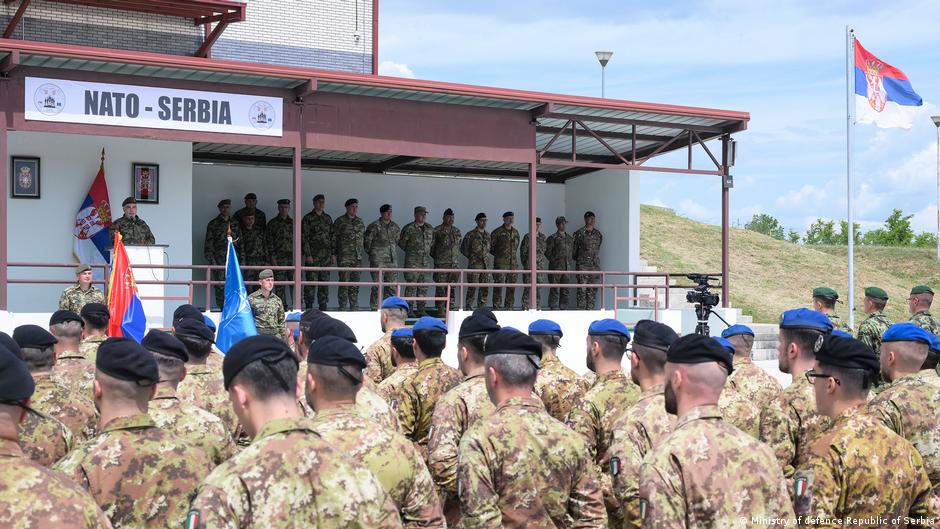
Serbia has embarked on its first-ever joint military exercises with NATO, a historic move marking a significant shift in the Balkan country's defense engagements. The drills, named "NATO - Serbia," are part of NATO's Partnership for Peace program and feature approximately 600 soldiers from Serbia and several NATO member states, including Italy, Romania, and Turkey. Observers from other NATO nations, such as Germany, are also participating.
Implications for the Regional Security and Innovation Ecosystem
The exercises are scheduled to continue until May 23 and are held at the Borovac training ground near the city of Bujanovac in central Serbia. This collaboration is notable as Serbia traditionally maintains a policy of military neutrality and is not a NATO member, unlike most of its Balkan neighbors. The Serbian Ministry of Defense emphasized that the drills adhere fully to Serbia's policy of neutrality.
"These are important exercises. Serbia is the host country, and they are conducted in full compliance with Serbia's military neutrality policy," a NATO representative stated.
Since the Kosovo conflict in 1999, where NATO forces conducted airstrikes against Serbia, cooperation with the alliance has been a sensitive matter domestically. Kosovo remains under NATO-led peacekeeping forces, and Serbia has yet to recognize Kosovo's independence. Despite these complexities, Serbia has been part of the Partnership for Peace initiative for nearly two decades and regularly participates in NATO exercises, though this is the first joint drill organized directly with NATO command structures.
From a venture capital and startup ecosystem perspective, this development could influence regional stability, which is a key factor in attracting international tech investments. Improved security cooperation may lead to increased investor confidence in Serbia and the broader Balkans, potentially accelerating innovation and cross-border tech partnerships.
Furthermore, the cooperation between Serbian military command and NATO's Joint Forces Command in Naples illustrates a growing openness to integration with Western institutions. This evolving security landscape may encourage technology startups specializing in defense technologies, cybersecurity, and dual-use innovations to seek new opportunities through government contracts and NATO-affiliated programs.
The joint exercises also underscore a gradual rebalancing of Serbia's geopolitical ties, as the country maintains friendly relations with Russia while expanding cooperative frameworks with NATO. Such dual engagement might foster unique innovation ecosystems where Western and Eastern technologies and investments converge.
For venture capitalists, these shifts highlight the importance of monitoring geopolitical developments in the Balkans as they seek emerging markets with untapped potential. Improved military cooperation can serve as a proxy indicator of political stability and economic openness, both critical for startup growth and successful M&A activities in the tech sector.