Tashkent Markets Report Significant Profit Growth in 2025, Impacting Local Startup Ecosystem
Tashkent's agricultural and automotive markets saw notable profit increases in 2025, signaling new opportunities for tech startups and venture capital in the region.
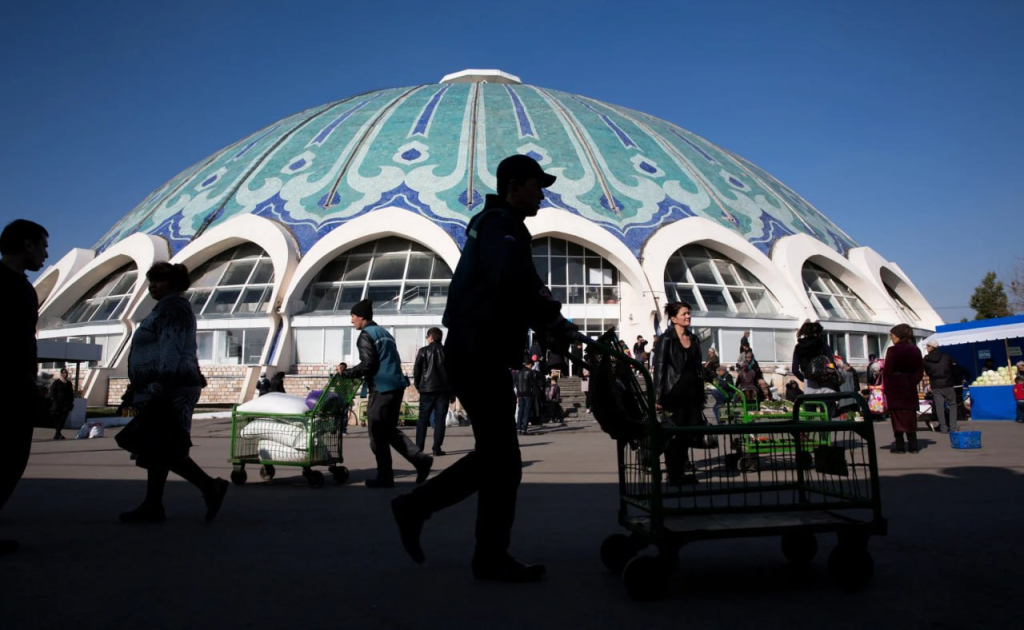
In 2025, agricultural markets in Tashkent experienced a marked increase in profitability compared to the previous year, highlighting a dynamic shift in the city’s marketplace landscape. This trend is poised to influence venture capital interest and innovation initiatives targeting the region's evolving retail and logistics sectors.
Top-performing Markets and Financial Gains
The "Askiya" agricultural market led the pack in profitability, generating a reported 7.95 billion Uzbek soums in net profit for 2025—an impressive jump from just 4.1 million soums in 2024. This surge underscores the growing consumer demand and supply chain optimization within Tashkent’s food markets.
Following closely, the "Mirobod" market secured second place with profits of 6.2 billion soums, reflecting an annual increase of 1.8 billion soums. The "Farhod" and "Chorsu" markets rounded out the top four with 3.7 billion and 3.1 billion soums respectively, indicating broad growth across multiple market hubs.
"The significant profit growth in Tashkent's traditional markets demonstrates untapped potential for startups offering digital solutions in supply chain management and consumer engagement," said a local venture analyst.
Meanwhile, the "Yunusobod" market maintained a steady financial position, with a modest profit increase of 50 million soums, totaling 2.6 billion soums in 2025. Conversely, the "Qo‘yliq" market saw a sharp decline, with its profits dropping by 1.6 billion soums down to 557.3 million soums, suggesting localized challenges or competition pressures.
Automotive Market’s Robust Performance Bolsters Sector Diversity
Beyond agricultural markets, the "Sergeli" automotive market posted a remarkable net profit of 18.85 billion soums in 2025, reflecting significant growth. This robust performance indicates expanding commercial activity and consumer spending power, factors that could attract venture capital investment in automotive technology startups, e-commerce platforms, and related service providers.
These financial results from Tashkent’s prominent markets highlight an encouraging environment for tech startups focused on e-commerce, logistics, and fintech solutions. The growing profitability signals increased market liquidity and consumer engagement, which are critical drivers for innovation and venture capital interest in Central Asia's startup ecosystem.
For startups and investors alike, the profitability data emphasizes the potential for digital transformation in traditional markets. Enhanced data analytics, mobile payment integration, and last-mile delivery services are among the opportunities poised to benefit from this positive economic momentum.
As Tashkent continues to modernize its marketplace infrastructure, venture capital firms may find promising investment avenues in startups that bridge conventional market operations with technology-driven efficiency. The contrasting performance of different markets also suggests niches where targeted innovation could rectify inefficiencies and revive underperforming sectors.
Based on reporting by Deutsche Welle.