Temporary Ceasefire Spurs Troop Rotations Amid Ongoing Conflict Between Russia and Ukraine
Russia and Ukraine use the May 9 ceasefire period to rotate troops and prepare for future operations amid continued hostilities.
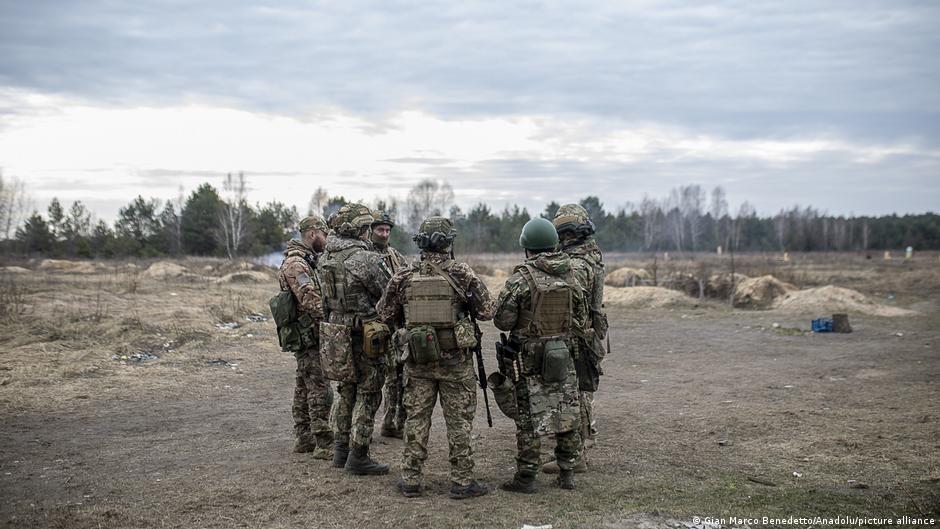
On May 9, a temporary ceasefire between Russia and Ukraine, brokered under the aegis of then U.S. President Donald Trump, prompted both sides to rotate troops and reposition forces while maintaining underlying military activities. This pause, announced for May 9 through May 11, was intended to enable a prisoner exchange and a brief halt in fighting, but hostilities have persisted in certain areas.
Strategic Use of Ceasefire for Military Logistics
According to Ukrainian military spokesperson Viktor Trehubov, Russian forces have used the declared ceasefire to "take a pause" and enhance their offensive capabilities through force rotation and logistical reinforcement. Trehubov noted that Ukrainian forces have also leveraged the ceasefire to reorganize and rotate their troops, ensuring continuous preparedness despite the nominal halt in combat operations.
“They are currently quiet, using this pause for rotation and replenishing offensive potential,” stated Viktor Trehubov.
The ceasefire, as announced by Donald Trump on the evening of May 8, was presented as a mutual agreement aimed at halting hostilities and facilitating a prisoner swap involving thousands of personnel. However, Russian President Vladimir Putin expressed skepticism about the viability of this exchange, citing Ukraine's reluctance after Moscow submitted a list of 500 Ukrainian military personnel for the swap. Kremlin aide Yuri Ushakov further indicated that prisoner lists are still being compiled and hinted that full-scale conflict operations would continue after May 11.
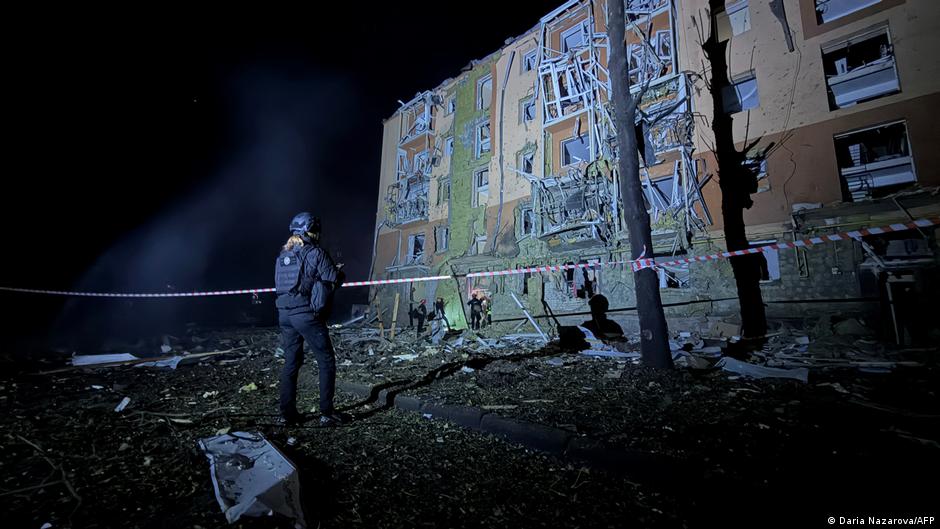
Despite the ceasefire, fighting continues in several contested regions. The Russian Defense Ministry accused Ukrainian forces of attacking Russian positions using drones and attempts to storm occupied territories. Meanwhile, the Ukrainian General Staff reported 121 attacks by Russian troops between midnight and 10 p.m. on May 9, including shelling of border settlements in the Sumy region.
These ongoing clashes underscore the fragility of ceasefire agreements in high-intensity conflicts and highlight the tactical use of such pauses by both parties to regroup rather than de-escalate fully.
Implications for the Regional Security and Innovation Ecosystem
While the immediate focus remains on military maneuvers, the repeated interruptions to security in Eastern Europe have broader implications for the technology and startup ecosystems in the region. Persistent conflict constrains venture capital inflows, disrupts business continuity, and hampers innovation initiatives across Ukraine and neighboring countries.
Startups in affected areas face increased operational risks, supply chain issues, and investor hesitancy during periods of active conflict or uncertain ceasefire states. Yet, the adaptation of military logistics and rapid reorganization during the ceasefire could inspire analogous agility and resilience strategies within the regional innovation landscape.
Moreover, the geopolitical instability underscores the need for diversified investment strategies and enhanced support for technology ecosystems that can withstand shocks and maintain growth trajectories despite external pressures.