Trump and Xi Jinping Meet in Beijing: Implications for US-China Tech and Trade Relations
The US-China summit in Beijing highlights potential cooperation on Iran, trade, and rare earth exports, affecting the global tech and innovation landscape.
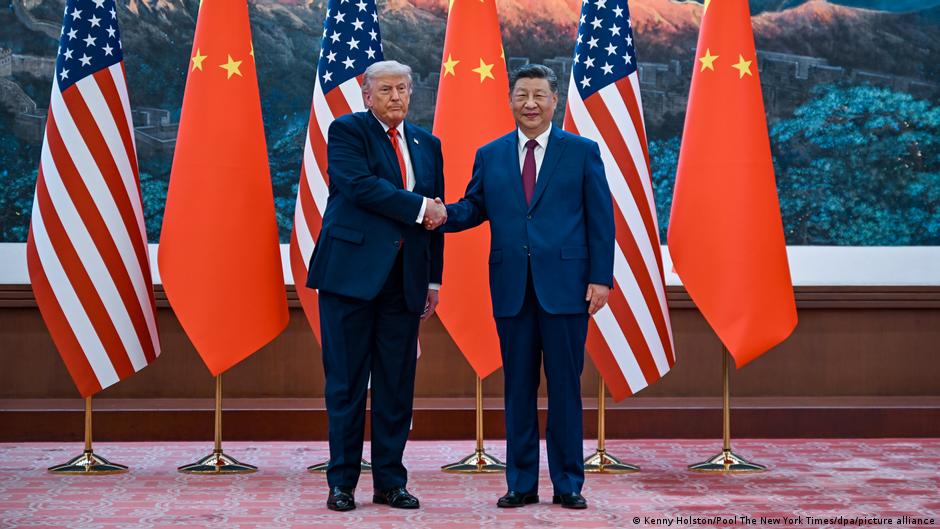
On May 14, 2024, Chinese President Xi Jinping hosted a ceremonial welcome for US President Donald Trump in Beijing, marking Trump’s first visit to China since his initial presidential term in 2017. The high-profile meeting took place at the Great Hall of the People overlooking Tiananmen Square, where the two leaders exchanged handshakes amid extensive media coverage.
President Trump declared, "It is a great honor to be your friend, and the relationship between China and the United States will be better than ever before," underscoring his vision for a "fantastic shared future" between the two countries. Xi Jinping responded by emphasizing that the world stands at a "new crossroads," advocating for the two nations to be "partners rather than rivals," a stance he framed as beneficial not only bilaterally but for global stability.
Impact on Tech Startups and Venture Capital Ecosystem
The summit gathered not only government officials but also prominent business leaders from the US tech sector, including Apple CEO Tim Cook and Tesla CEO Elon Musk. Their presence signals the critical role that US-China relations play in shaping innovation, venture capital flows, and technology supply chains.
"Both countries must be partners, not rivals, which benefits the world," Xi Jinping emphasized, highlighting the opportunity for collaborative growth.
Technology startups and venture capital-backed firms on both sides of the Pacific stand to be significantly influenced by the outcomes of this summit. The talks are expected to focus on reducing trade frictions that have previously hampered the export of key components such as rare earth metals—critical for electronics manufacturing and clean energy technologies.
In October 2023, Trump and Xi agreed in South Korea to "remove barriers" to Chinese exports of rare earth elements and to lower US tariffs introduced amidst the fentanyl crisis. These concessions are crucial for startups reliant on stable and affordable access to materials essential for semiconductors, batteries, and other cutting-edge technologies.
Moreover, discussions around easing tensions in the Taiwan Strait and improving bilateral trade relations could bolster investor confidence, potentially unlocking fresh rounds of venture capital funding targeting cross-border collaborations and market expansion.
Geopolitical Dimensions and Strategic Cooperation
United States Secretary of State Marco Rubio highlighted the expectation that China would assist in lifting Iran’s blockade of the Strait of Hormuz, a vital maritime chokepoint critical to global energy supplies. This cooperation aligns with China’s interest in securing shipment routes, as Chinese vessels are currently affected by the blockade.
The energy crisis’s ripple effects—dampening demand for Chinese exports—further anchor China’s motivation to engage constructively with the US, underpinning a more predictable environment for tech startups and manufacturing enterprises dependent on global supply chains.
The presence of senior officials such as Treasury Secretary Scott Bessent and Defense Secretary Pete Hegseth alongside business leaders indicates an integrated approach that combines diplomacy, economic strategy, and security considerations.
Looking Ahead for Innovation and Trade
Over the two-day visit, a continued focus on resolving trade disputes is anticipated, with expectations that the US and China will strive to stabilize relations to support mutual economic growth and technological advancement. For venture capitalists and startup founders, the easing of export controls and tariffs could translate into expanded opportunities for investment and scale.
In sum, the Beijing summit between Donald Trump and Xi Jinping marks a pivotal moment, potentially recalibrating the US-China dynamic in a way that fosters innovation, cross-border capital flow, and resilience in the global technology ecosystem.