Trump Postpones Planned Military Strike on Iran Amid Regional Diplomatic Pressure
US President Donald Trump delays a scheduled attack on Iran following appeals from Gulf leaders, signaling ongoing high-stakes negotiations.
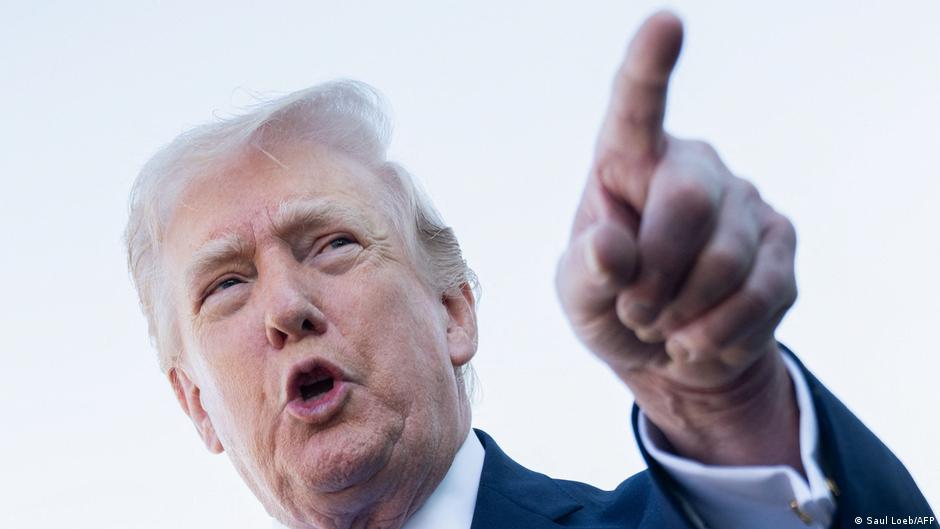
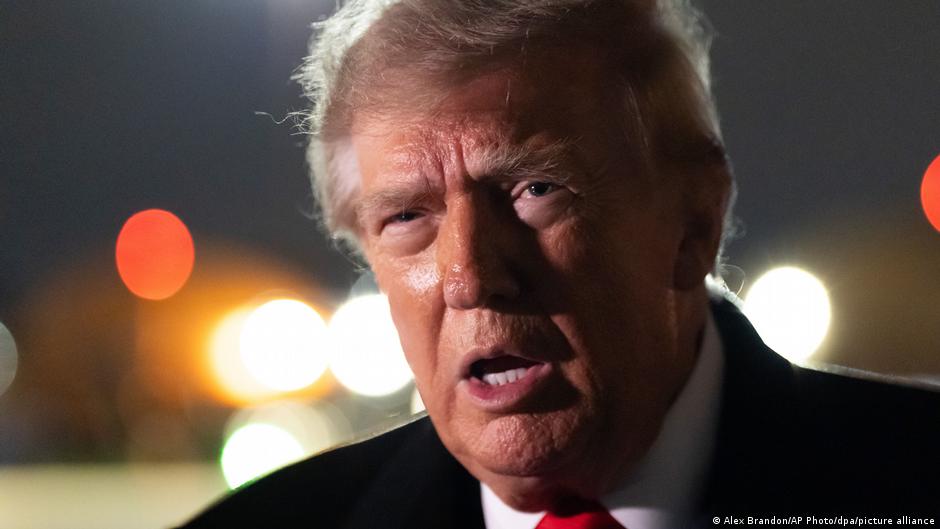
US President Donald Trump announced on May 18 that he has postponed a planned military strike on the Islamic Republic of Iran, originally set for May 19. The president shared this update via his social media platform Truth Social, highlighting significant diplomatic intervention from key Middle Eastern leaders.
According to Trump, the decision to halt the attack came at the request of Emir of Qatar Sheikh Tamim bin Hamad Al Thani, Saudi Arabia's Crown Prince and Prime Minister Mohammed bin Salman Al Saud, and the President of the United Arab Emirates Sheikh Mohammed bin Zayed Al Nahyan. Trump emphasized that "serious negotiations" are currently underway to reach a deal that would be acceptable not only to the United States but also to countries across the Middle East and beyond.
Implications for the Tech and Innovation Ecosystem
While these developments primarily concern geopolitical and security issues, the potential diplomatic breakthrough holds significant implications for the global technology and innovation sectors. Stability in the Middle East is pivotal for venture capital flows and startup ecosystems, particularly given the region’s growing interest in technology investments and innovation hubs.
"The negotiations focus on a deal that includes a prohibition on nuclear weapons for Iran," Trump stated, underscoring the strategic stakes involved.
From a venture capital perspective, prolonged tensions or military conflicts in the Middle East can disrupt supply chains, increase market volatility, and hinder cross-border investments, all of which can negatively impact emerging tech startups reliant on regional partnerships or global capital. Conversely, progress in diplomacy can foster a more predictable environment, encouraging innovation and investment.
Trump also instructed Defense Secretary Pete Hegseth, Chairman of the Joint Chiefs of Staff General Dan Kain, and the US Armed Forces to remain on high alert, prepared to launch a comprehensive offensive against Iran should negotiations fail. This conditional posture signals ongoing uncertainty that could inject risk into investment decisions and startup growth prospects.
Background and Regional Dynamics
The postponement of the strike was not previously public knowledge, with Reuters reporting that the US intention to target Tehran on May 19 had not been disclosed until Trump’s announcement.
Iran’s Ministry of Foreign Affairs indicated that Tehran’s position was communicated to the US through Pakistan. Notably, Iran's state news agency Fars had disclosed a list of five demands from the US ahead of a second round of peace talks, reportedly rejecting compensation for damages caused by the US and Israeli engagement since February 28.
Key US demands reportedly include the removal of 400 kilograms of enriched uranium from Iran, operation restrictions on one nuclear facility, no unfreezing of even 25% of Iran’s frozen assets, and linking war cessation directly to the progress of negotiations.
Iranian authorities view these US conditions as attempts to achieve objectives unattainable through military conflict and warn that the threat of aggression by the US and Israel will persist even if Iran complies with these demands. This has led to a stalemate in talks, according to Iranian-affiliated news agencies.
Iran has also presented its own conditions to the US, including ending hostilities in Lebanon, lifting sanctions, unfreezing all assets, compensation for war damages, and recognition of Iranian sovereignty over the Strait of Hormuz. Iran insists these demands represent minimal trust-building measures and has stated it will not return to negotiations without their fulfillment.
A ceasefire brokered in April with Pakistani mediation has been repeatedly violated by both sides. Since April 13, the US Navy has blockaded Iranian ports, while Iranian drones have continually targeted vessels in the Strait of Hormuz and critical infrastructure in Gulf countries.
Outlook for Venture Capital and Startups
The volatile geopolitical climate underscores the delicate balance affecting the global innovation ecosystem. Venture capitalists and tech entrepreneurs closely monitor these developments, as regional instability can delay funding rounds, complicate cross-border collaborations, and diminish investor confidence.
Should an agreement be reached that stabilizes the region and curbs nuclear threats, it could unlock renewed investment opportunities, particularly in energy, cybersecurity, and emerging technologies sectors focused on Middle Eastern markets.
For now, the tech community remains watchful as "serious negotiations" continue, recognizing that geopolitical shifts will have ripple effects on capital flows, startup growth, and innovation worldwide.