Trump Says U.S. Will End Irish Whiskey Tariff, Easing EU Spirits Trade
The move could reduce pressure on Irish drinks exporters and the consumer brands ecosystem serving U.S.-EU commerce.
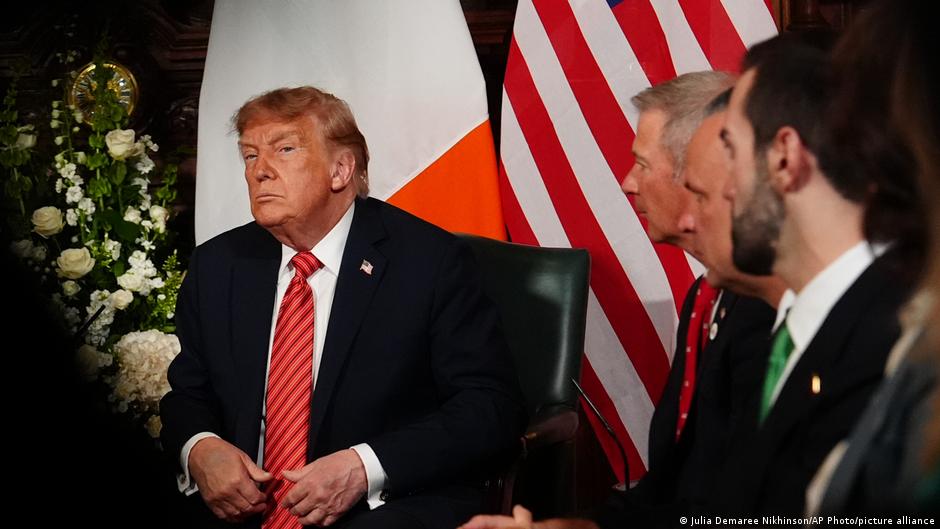
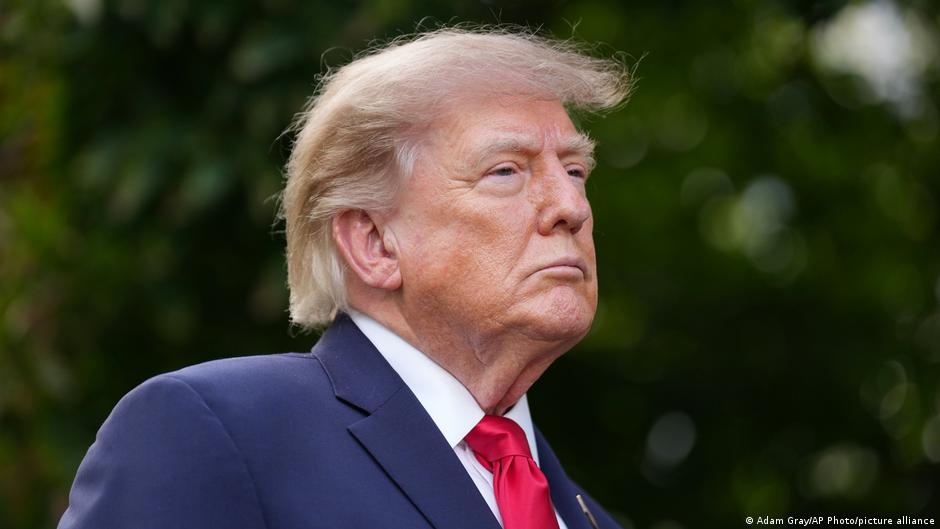
U.S. President Donald Trump said at the end of a visit to Ireland that Washington will remove a 10 percent tariff on Irish whiskey, a decision welcomed by the Irish whiskey industry and closely watched by consumer brands, cross-border commerce startups and investors exposed to transatlantic trade.
Trump made the announcement on Sunday, September 13, in Ireland before a cheering crowd of Irish golf enthusiasts during a tournament at a golf club owned by his family. According to Trump, he had agreed to numerous requests to cancel the duties on imports of Irish whiskey into the United States.
The tariff is currently levied as part of duties applied to all European Union wine and spirits exports to the United States. Trump said those who had asked him to reverse the measure included Irish Prime Minister Micheal Martin and leading Irish golfer Shane Lowry.
“Nothing characterizes the trade relationship between the U.S. and Ireland better than Irish whiskey,” Irish Whiskey Association director Eoin O’Cathain said in a statement.
The Irish Whiskey Association welcomed the U.S. president’s statement and expressed hope that the decision would be fully implemented, Reuters reported. For producers, distributors and importers, the removal of a 10 percent charge could improve margins or create room for more competitive pricing in one of the sector’s most important overseas markets.
Why the tariff decision matters for startups and investors
Although the announcement centers on a legacy spirits category, its commercial implications extend into the venture-backed economy around consumer goods, logistics, retail data and brand technology. Irish whiskey is not only an export product; it sits inside a larger network of digital commerce platforms, specialist distributors, hospitality software providers, marketing agencies, packaging suppliers and analytics firms that help brands reach U.S. buyers.
A tariff reduction can change the economics of that network. When duties raise landed costs, brands often absorb part of the increase, pass costs to consumers, cut marketing spend or delay U.S. expansion. Each of those choices affects younger companies that depend on brand growth, from direct-to-consumer alcohol marketplaces to compliance tools and demand forecasting startups. Removing the tariff may give Irish whiskey makers more flexibility to invest in sales channels, partnerships and product launches.
For venture capital investors, the signal is less about whiskey alone than about policy risk in cross-border consumer categories. Startups serving regulated or tariff-exposed markets can see their growth assumptions shift quickly when trade rules change. A 10 percent duty may appear modest compared with the volatility common in technology markets, but in beverage distribution, where margins are shaped by import costs, wholesale pricing, state-by-state regulation and retail competition, it can materially affect expansion plans.
The announcement may also support merger and acquisition interest across the Irish drinks supply chain. Larger spirits groups and strategic buyers often evaluate brands based on their access to premium markets, pricing resilience and distribution momentum. If the U.S. market becomes more attractive for Irish whiskey exporters, smaller producers with recognizable brands or scalable production could draw closer attention from acquirers and growth investors.
A consumer brand issue with tech-sector spillovers
Irish whiskey has become part of a broader premiumization trend in consumer products, where storytelling, provenance, digital marketing and community building are central to growth. Venture-backed companies often build the infrastructure around that shift: customer relationship platforms, retail media tools, subscription systems, identity verification software, payments, fraud prevention and logistics management.
Any easing of trade friction between the United States and Ireland could therefore strengthen demand for the tools that help brands expand internationally. Alcohol remains a complex category for startups because of age restrictions, advertising rules and fragmented U.S. distribution laws. Still, clearer cost structures can make it easier for founders and investors to model market entry and allocate capital.
The setting of the announcement also underscored the relationship-driven nature of trade decisions. Trump said he acted after multiple appeals, including from Ireland’s prime minister and from Shane Lowry, one of the country’s best-known golfers. The statement was delivered not in a formal trade venue but at a family-owned golf club, in front of a celebratory local crowd.
For Ireland’s innovation ecosystem, the decision may be read alongside the country’s broader position as a bridge between Europe and the United States. Ireland hosts significant technology operations, has a growing startup base and maintains deep commercial ties with the U.S. market. While the whiskey tariff is sector-specific, the removal of a trade barrier can reinforce the importance of predictable access between the two economies.
The Irish Whiskey Association’s response reflected both relief and caution. Its statement welcomed Trump’s announcement but also emphasized the need for full implementation. Until the policy change is formally carried out, companies affected by the tariff will still need to plan around the existing duties on EU wine and spirits exports to the United States.
For founders and investors, the immediate lesson is practical: trade policy remains a live variable in consumer and commerce markets. A tariff can reshape pricing, fundraising narratives and acquisition timing; its removal can unlock expansion plans that had been delayed or repriced. If the U.S. follows through on Trump’s statement, Irish whiskey producers may not be the only beneficiaries. The surrounding ecosystem of technology, services and capital that supports global consumer brands could also feel the impact.