UAE’s Covert Military Actions Against Iran Signal Shifts in Gulf Security Landscape
UAE’s secret airstrikes on Iran reflect escalating regional tensions and could influence Gulf tech and investment ecosystems.
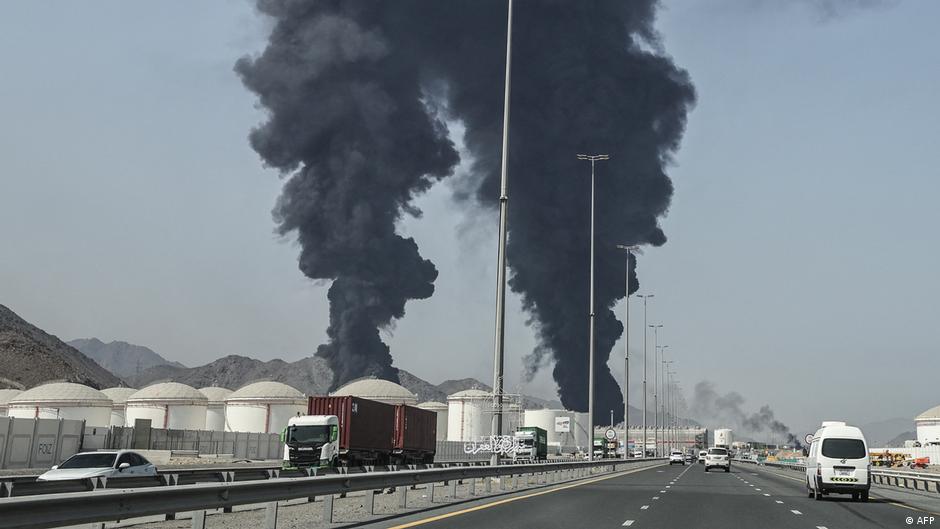
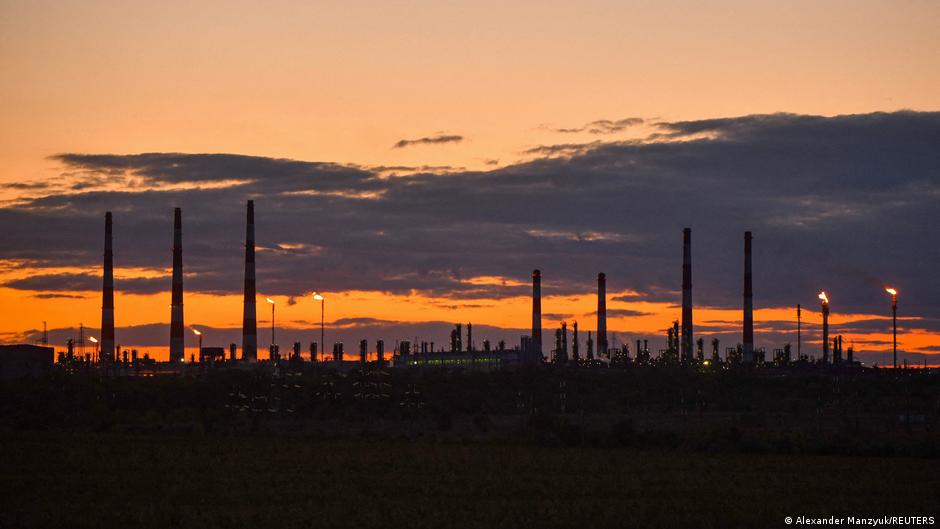
The United Arab Emirates (UAE) has secretly conducted military strikes against Iran in response to Iranian attacks, marking a significant development in the Gulf’s geopolitical dynamics. These actions, previously unacknowledged officially, were reported to have included an early April strike on an Iranian oil refinery located on Lavan Island in the Persian Gulf.
Implications for Regional Stability and Innovation Ecosystem
According to sources familiar with the matter, the UAE’s military response comes amid a backdrop of repeated Iranian drone and missile attacks targeting Emirati infrastructure. Since the conflict’s inception, Iran has launched approximately 2,800 drones and missiles against the UAE, exceeding attacks on any other regional player, including Israel.
“The UAE now views Iran as a pariah nation undermining the country’s economic and social model built on foreign expertise and its reputation for safety and stability.”
These attacks have severely impacted critical sectors such as air travel, tourism, and real estate in the UAE, leading to widespread layoffs and unpaid leaves within local companies. The resulting strategic recalibration by Abu Dhabi signals an intensified stance on regional security, which could have ripple effects on the Gulf’s burgeoning technology and startup ecosystems.
The UAE’s military capabilities, featuring advanced American F-16 fighter jets and French Mirage aircraft piloted by highly trained Emirati pilots, underscore its readiness to assertively defend its interests. Despite the covert nature of these strikes, Washington has reportedly welcomed the UAE and other Gulf states’ involvement, viewing it as a positive contribution to countering Iranian aggression.
For the venture capital and startup communities, these developments present a complex landscape. Heightened tensions and retaliatory actions risk destabilizing the Gulf’s investment climate, potentially discouraging foreign investors and talent attracted by the region’s relative stability. Conversely, the increased focus on defense and security technology could stimulate innovation and funding in sectors such as cybersecurity, drones, and advanced manufacturing.
As the UAE navigates this evolving security environment, the balance between sustaining open economic policies and addressing security threats will be crucial in shaping the future of its innovation ecosystem.