UK Grants Unlimited License for Import of Russian-Origin Fuel Amid Global Energy Tensions
London authorizes unrestricted imports of diesel and jet fuel produced from Russian oil in third countries, impacting energy supply chains and startup ecosystems.
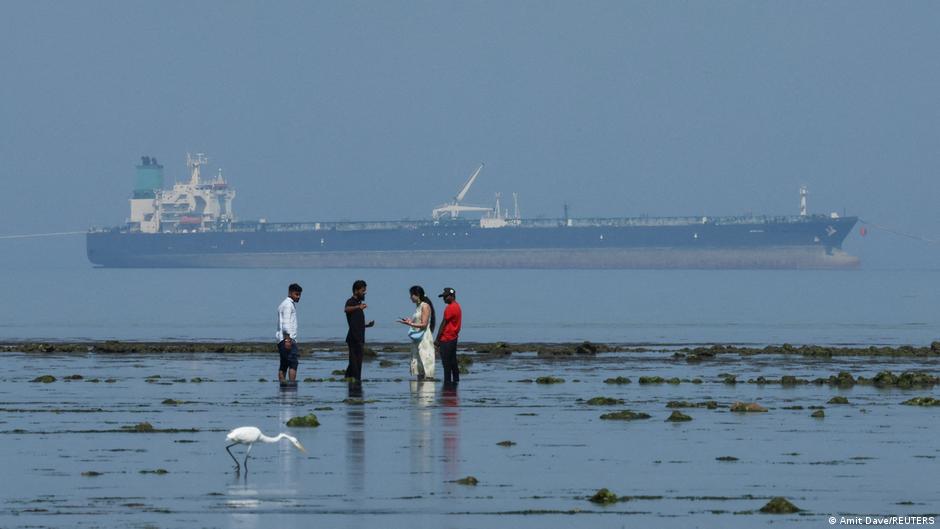
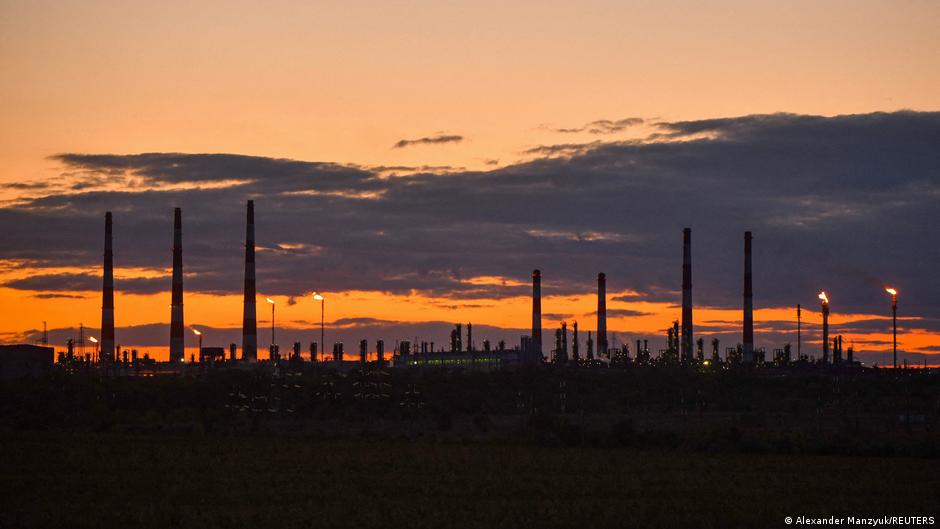
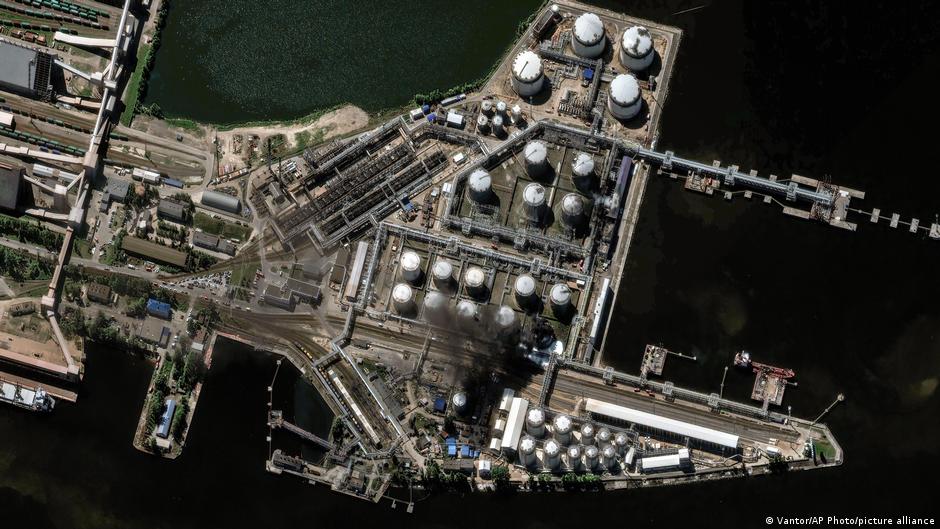
On May 20, the United Kingdom activated a new policy allowing the indefinite import of diesel and aviation kerosene derived from Russian crude oil, but refined in third countries. This move, confirmed by UK government sources on May 19, effectively circumvents current sanctions on direct Russian fuel imports and signals a significant shift in the UK’s energy procurement strategy amid global market pressures.
Implications for Energy Sector and Venture-Backed Startups
The license, which has no fixed expiration date but will be subject to periodic reviews, comes amid increasing fuel price inflation exacerbated by geopolitical tensions, including conflicts involving Iran. UK authorities are under pressure to stabilize energy costs and availability, which directly affect operating expenses for tech startups and innovation hubs heavily dependent on energy-intensive infrastructure.
By permitting imports of Russian-origin refined products from third countries, the UK is effectively responding to supply chain disruptions threatening both established enterprises and emerging ventures in the technology sector. Fuel price volatility and scarcity can stifle the growth prospects of startups reliant on affordable logistics and data center power consumption.
"This policy adjustment reflects the delicate balance governments must strike between geopolitical stances and pragmatic economic needs, especially to sustain innovation ecosystems vulnerable to energy shocks."
The UK’s decision follows a parallel action by the United States, which on May 18 extended a license to allow maritime transport and sale of Russian-origin oil and fuel products despite sanctions, aimed at supporting vulnerable nations disrupted by regional conflicts.
Additionally, London has authorized maritime shipments of liquefied natural gas (LNG) from Russia until January 1, 2027, providing further relief to energy markets but also introducing complexity to the sanction landscape.
Broader Context and Market Effects
Since banning direct imports of Russian oil and coal in 2022 in response to the full-scale invasion of Ukraine, the UK imposed a ban on Russian-derived petroleum products refined in third countries effective October 2025. This latest licensing creates a temporary regulatory gap that allows continued access to some Russian energy products despite sanctions.
Market data reveal that Russian petroleum product exports have surged, fueled by rising prices amidst the US and Israeli conflicts with Iran and blockades like that of the Strait of Hormuz. According to Bloomberg, Russian oil product export revenues reached weekly averages of $2.42 billion as of early May, near wartime highs.
US policy adjustments have opened multiple markets for Russian crude oil, easing sanctions to prevent global supply shocks. For startups and venture capitalists, these developments underscore the critical importance of monitoring geopolitical risk factors that influence energy costs and supply stability, which in turn affect investment decisions, operational scalability, and innovation capacity.
As energy remains a foundational input for technology innovation, these regulatory shifts highlight the need for startups to integrate energy risk assessments into their strategic planning. Venture capital firms may also find increased opportunities in energy tech solutions that reduce dependency on volatile fossil fuel markets and promote sustainable alternatives.