UK Plans £18 Billion Defense Budget Increase Amid Political Crisis, Boosting Tech and Innovation Sectors
Prime Minister Keir Starmer endorses a significant defense spending hike, potentially impacting venture capital and tech startups.
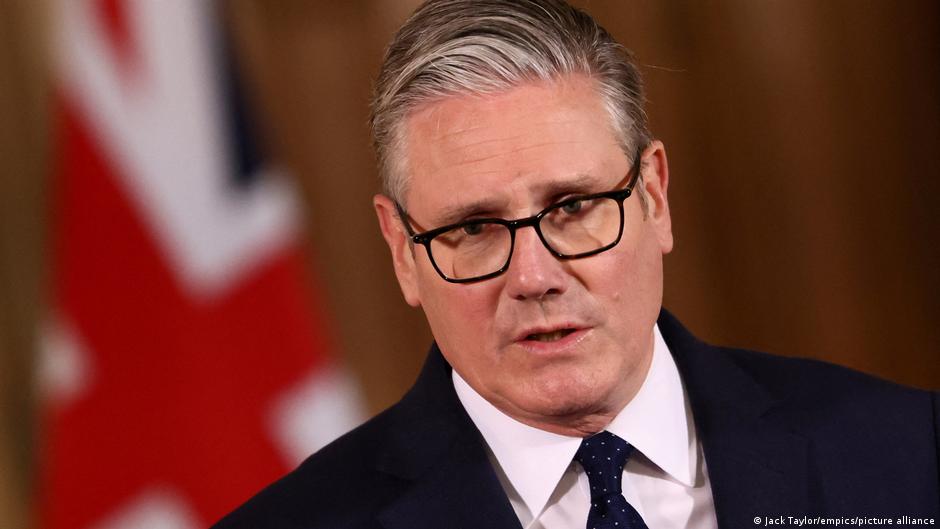
The United Kingdom government is preparing to raise its defense budget by £18 billion, equivalent to €20.6 billion, a move that could have significant implications for the country's technology startups and innovation ecosystem.
Defense Spending Surge and Its Impact on Tech and Venture Capital
According to reports, UK Prime Minister Keir Starmer is expected to announce the increase in defense expenditures as early as the week of May 18-24. While the source of the additional funding remains unclear, insiders suggest the new defense package will be manageable within the overall national budget.
Current parliamentary data indicates that defense spending for the 2025-2026 fiscal year is projected to reach £62.2 billion. This sizable boost in the defense budget is particularly relevant amid Starmer's efforts to position security and defense at the core of his administration's priorities, especially given ongoing geopolitical tensions involving Ukraine and Iran.
For the UK's technology startup scene and venture capital (VC) landscape, the increase in defense spending may translate into expanded opportunities for innovation and collaboration. Defense contracts often drive demand for advanced technologies in cybersecurity, artificial intelligence, aerospace, and communications—all sectors where startups frequently contribute cutting-edge solutions.
Moreover, the infusion of government funds into defense-related R&D could stimulate VC interest and investments in early-stage companies developing dual-use technologies with both commercial and defense applications. This environment encourages startups to accelerate product development and scale more rapidly in partnership with established defense contractors and government agencies.
Political Context and Strategic Priorities
The announcement of the defense budget increase comes amid a notable political crisis within the Labour Party. Tens of Labour MPs have called for the resignation of Prime Minister Keir Starmer, criticizing his leadership amid internal party tensions.
"The new defense package will be 'fully manageable' within the budget," a government source noted, highlighting the administration's commitment to balancing fiscal responsibility with strategic priorities.
Starmer's emphasis on strengthening the UK's defense capabilities may also serve to reinforce national security in a turbulent global environment, while simultaneously invigorating the domestic innovation ecosystem. This approach aligns with broader trends in venture capital where government initiatives and funding play a crucial role in catalyzing private investment and technological breakthroughs.
Startups specializing in defense tech stand to benefit from enhanced government contracts and potential public-private partnerships as the UK aims to modernize its military infrastructure and capabilities. Additionally, this shift could encourage multinational defense firms to increase mergers and acquisitions activity within the UK’s tech sector, seeking strategic stakes in emerging companies.
In summary, the planned £18 billion increase in defense spending under Prime Minister Keir Starmer signals a strategic pivot that integrates national security concerns with economic innovation ambitions. For venture capitalists and startups, this development offers a fertile ground for growth, investment, and collaboration in cutting-edge technologies with dual civilian and military applications.