Ukraine Anti-Corruption Raids Put Scam Call-Center Crackdown in Focus
NABU and SAPO say an official in the prosecutor general’s office is suspected in a scheme tied to fraudulent call centers and asset laundering.
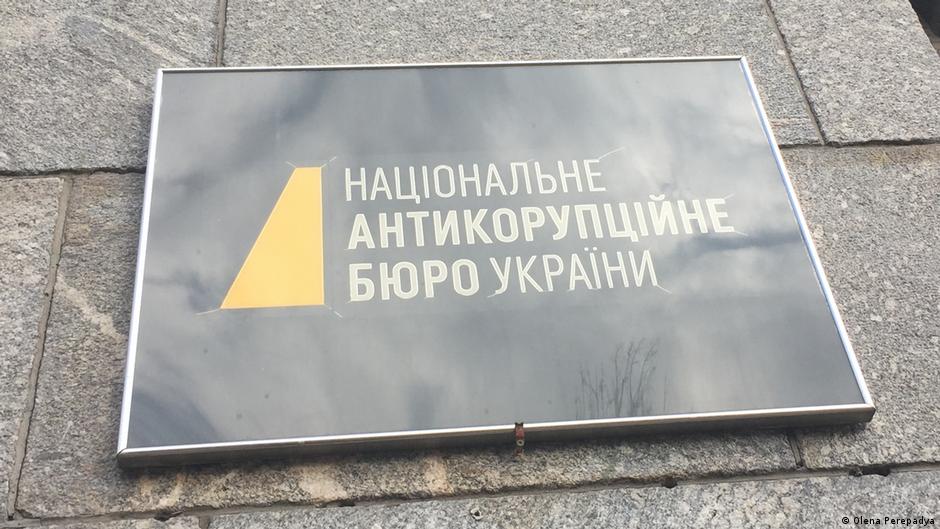
Ukraine’s anti-corruption agencies have announced an operation targeting public officials allegedly connected to fraudulent call centers, placing renewed scrutiny on a sector of criminal activity that has implications for Ukraine’s digital economy, investor confidence and the country’s broader innovation environment.
The National Anti-Corruption Bureau of Ukraine, known as NABU, and the Specialized Anti-Corruption Prosecutor’s Office, or SAPO, said they were carrying out an operation “to expose a criminal organization” allegedly involved in protecting a network of fraudulent call centers and legalizing property. According to investigators, the organization is headed by an employee of the Office of the Prosecutor General of Ukraine, the agencies said in statements published on their Telegram channels on Friday, September 4.
The agencies said they would provide further details later. On the same day, searches were conducted at the Office of the Prosecutor General. The office confirmed that investigative actions were taking place, while stressing that the suspicions raised by NABU and SAPO did not directly concern Prosecutor General Ruslan Kravchenko.
“The Office of the Prosecutor General will provide the anti-corruption bodies with full assistance and all necessary information within the law,” the office said.
The office also said the employee whose possible involvement in unlawful activity is being checked would be suspended from official duties for the duration of the pretrial investigation.
Governance Risk Meets Ukraine’s Tech Economy
For Ukraine’s startup and venture capital ecosystem, the case touches a wider concern: the distinction between legitimate technology-enabled business services and criminal call-center infrastructure. Ukraine has built a strong reputation in software development, outsourcing, cybersecurity and digital public services, areas that have continued to attract international attention despite wartime pressure. Allegations that state officials may have shielded fraudulent call-center networks could intensify investor focus on governance, law enforcement integrity and compliance risk.
The source article does not name any affected startups, venture-backed companies, investors or merger-and-acquisition transactions. But the operation is relevant to the innovation ecosystem because fraudulent call centers often rely on digital tools, telecommunications infrastructure, payment channels and data-driven targeting. A more aggressive crackdown may raise the compliance burden for legitimate business-process outsourcing firms, fintech service providers and customer-support operations, while also helping separate credible operators from criminal networks.
According to Ukrainska Pravda, NABU and SAPO suspicions fell on Serhiy Kropyva, deputy head of the international legal cooperation department at the Office of the Prosecutor General. The publication reported, citing sources “in business circles,” that he had been detained. There was no official confirmation of the persons affected by the searches or of the suspects.
Journalists also reported searches involving Ukrainian official Oleh Kiper. Kiper previously held various posts in the Office of the Prosecutor General and in 2023 was appointed head of the Odesa Regional Military Administration. Kropyva, before taking his latest position at the prosecutor general’s office, served as Kiper’s deputy in the Odesa regional military administration. Before that, he had also worked in the prosecutor general’s office, in a cybersecurity department.
Proposed Penalties Could Reshape the Risk Landscape
The operation came one day after Ukrainian President Volodymyr Zelenskyy submitted a bill to the Verkhovna Rada on September 3 that would toughen penalties for organizing fraudulent call centers and for links to their activity.
Under the proposal cited in the source article, organizers of such call centers could face up to 12 years in prison with confiscation of property. Working in such a place could carry a sentence of up to 10 years. Recruiting people into call centers could be punishable by up to five years in prison, while repeat recruitment could bring up to 10 years. Even landlords who provide premises for call centers could face up to 10 years in prison.
For venture investors and acquirers assessing Ukrainian companies, the legislative push underscores a likely tightening of the operating environment around call operations, customer acquisition, lead generation and digital sales infrastructure. Due diligence may increasingly focus on customer-contact practices, data sourcing, vendor controls and the physical locations used by outsourced teams. The article does not state that any such investor reviews are already underway, but the proposed penalties would clearly raise the stakes for any company exposed to this part of the market.
The latest anti-corruption action followed a large nationwide operation by Ukraine’s National Police aimed at exposing fraudulent call centers. As a result of that operation, police shut down 94 such organizations. During searches, law enforcement officers seized, among other items, about $2 million, 64,000 euros, gold bars and jewelry.
The victims of such call centers are not only Ukrainians but also Russians. The problem became particularly visible after the start of Russia’s full-scale invasion of Ukraine, as fraudsters began persuading people they had deceived to carry out various acts of sabotage. Kyiv and Moscow have accused each other of organizing the work of such “sabotage” call centers.
For Ukraine’s innovation economy, the outcome of the investigation and the proposed legal changes may become another test of institutional credibility. The country’s tech sector has sought to maintain global links and attract capital under wartime conditions. Anti-corruption enforcement that reaches senior government offices may be watched closely by investors, founders and strategic buyers looking for signs that Ukraine can police high-risk digital crime while protecting legitimate technology businesses.