Ukraine Denies Trump Suggested Zelensky Travel to Moscow for Putin Talks
Kyiv rejected a Bloomberg report on a proposed Moscow trip as diplomatic uncertainty weighs on energy markets and investor risk appetite.
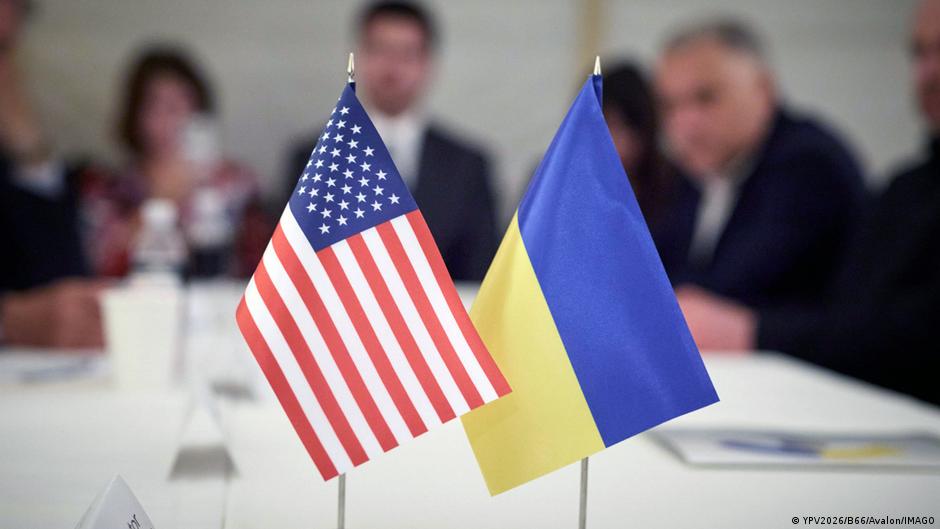
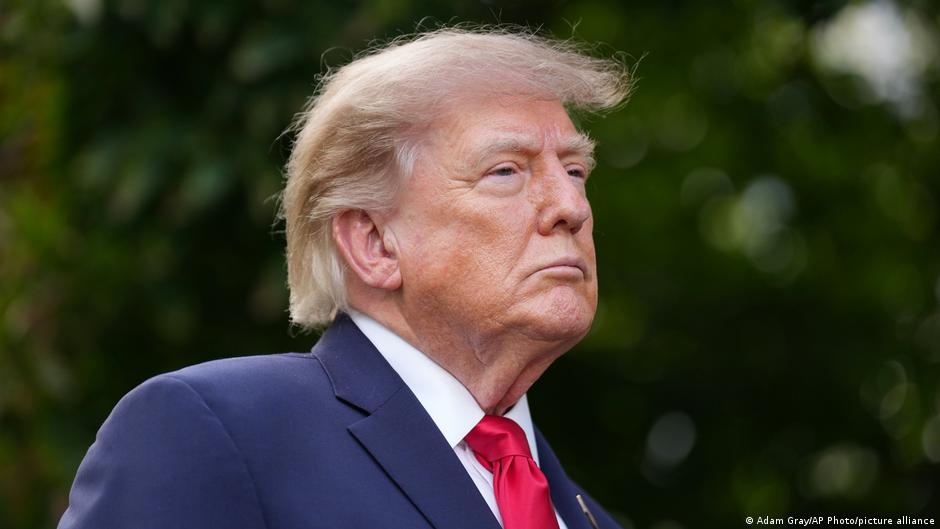
Ukraine’s presidential office has denied a report that U.S. President Donald Trump suggested Volodymyr Zelensky travel to Moscow for negotiations with Vladimir Putin, an account that, if accurate, would have underscored the volatility surrounding efforts to shape a diplomatic track to end the war.
The denial followed a Bloomberg report saying Trump made the proposal during a meeting with Zelensky on the sidelines of the United Nations General Assembly in New York. According to Bloomberg, Zelensky declined the idea, and people close to the Ukrainian leader said he was upset by the suggestion.
“This is false information,” Ukrainian presidential communications adviser Dmytro Lytvyn told Ukrainska Pravda.
The episode matters beyond diplomacy. For venture investors, founders and strategic buyers with exposure to Ukraine, Eastern Europe, cybersecurity, defense technology, energy infrastructure and logistics, the signal from Washington, Kyiv and Moscow remains critical. A credible path toward de-escalation could alter financing conditions, cross-border hiring, M&A timing and enterprise procurement decisions. Continued uncertainty, by contrast, keeps political risk at the center of capital allocation.
According to the Russian-language source article, Zelensky and Russian Foreign Minister Sergey Lavrov held separate meetings in New York this week with representatives of the Trump administration. Bloomberg reported that Washington was pressing Moscow and Kyiv to agree to halt attacks on energy facilities against the backdrop of rising global diesel fuel prices.
Energy Risk Remains a Startup and Investor Concern
The reported focus on energy infrastructure is especially relevant to technology markets. Energy costs and supply stability affect data centers, industrial automation, advanced manufacturing, mobility, agricultural technology and logistics startups. For venture-backed companies operating with tight margins, sustained volatility in fuel and power markets can quickly translate into higher operating costs and slower enterprise adoption cycles.
In Ukraine’s case, energy resilience has also become an innovation category in its own right. The country’s wartime technology ecosystem has drawn attention for defense software, drone systems, cyber tools, distributed infrastructure and dual-use engineering. Any talks around halting attacks on energy targets would therefore be watched not only by diplomats but also by investors assessing which parts of the Ukrainian tech economy can scale under pressure.
Zelensky said on September 25 that technical-format trilateral talks involving the United States, Ukraine and Russia could take place in the United Arab Emirates. The Kremlin, meanwhile, rejected Kyiv’s recent proposal to hold talks on ending the war during the G20 summit in Miami, where Washington had invited Putin.
Russia has repeatedly emphasized that a meeting between Putin and Zelensky would be possible only in Moscow. On September 23, Kremlin spokesman Dmitry Peskov said the Ukrainian president, “if he wants, can come to Moscow,” where he would be provided with the necessary security guarantees.
The source article also noted that Putin said in June that Zelensky had asked him for a personal meeting through one of the Russian businessmen. Zelensky later said he had sent a message to the Kremlin leader through Roman Abramovich.
Capital Markets Watch the Negotiation Channel
For venture capital, the diplomatic process is not an abstract geopolitical story. Ukraine’s startup ecosystem has remained active through the war, supported by diaspora networks, government technology initiatives, international backers and a sharp rise in demand for battlefield-tested systems. But fundraising conditions still depend heavily on perceptions of security, export controls, procurement certainty and the ability of teams to operate across borders.
A misread or disputed diplomatic overture can affect those perceptions. If investors believe negotiations are moving toward a framework that protects infrastructure and reduces escalation risk, capital may become more willing to flow into companies serving reconstruction, energy resilience, cybersecurity and defense-adjacent markets. If talks appear improvised or contested, funds may delay commitments, acquirers may slow diligence and customers may hesitate to sign long-term contracts.
The denial from Kyiv therefore narrows the immediate factual record while leaving the broader uncertainty intact. Ukraine says the specific claim that Trump proposed Zelensky travel to Moscow is untrue. Bloomberg’s reported account, however, highlights the continuing pressure on the parties to explore venues, formats and confidence-building measures, including possible restrictions on attacks against energy assets.
For founders, the practical takeaway is that geopolitical risk remains a board-level issue. Startups operating in or around the conflict zone need contingency planning for infrastructure disruption, currency movement, procurement shifts and investor due diligence. For venture funds, the situation reinforces the importance of separating long-term innovation opportunities from near-term diplomatic noise.
The latest exchange also shows how quickly a single reported proposal can ripple through international policy, commodity markets and private capital expectations. Until a formal negotiation channel is established and publicly confirmed by the parties, the innovation ecosystem around Ukraine and the wider region will continue to price in uncertainty.