Ukraine President Warns of Russia’s Plans to Expand Military Mobilization in Fall 2026
Zelensky reveals Russian intentions to increase troop recruitment and receive North Korean military support, signaling potential impacts on regional security and innovation ecosystems.
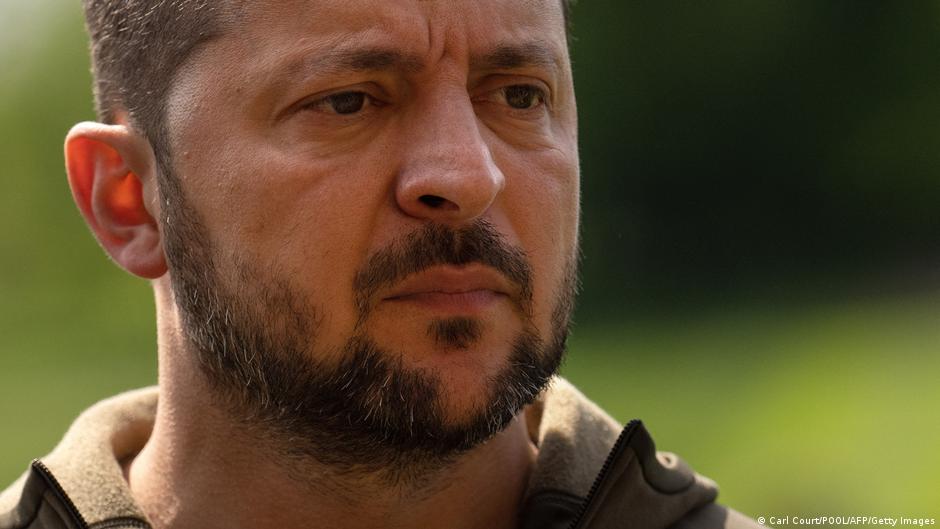
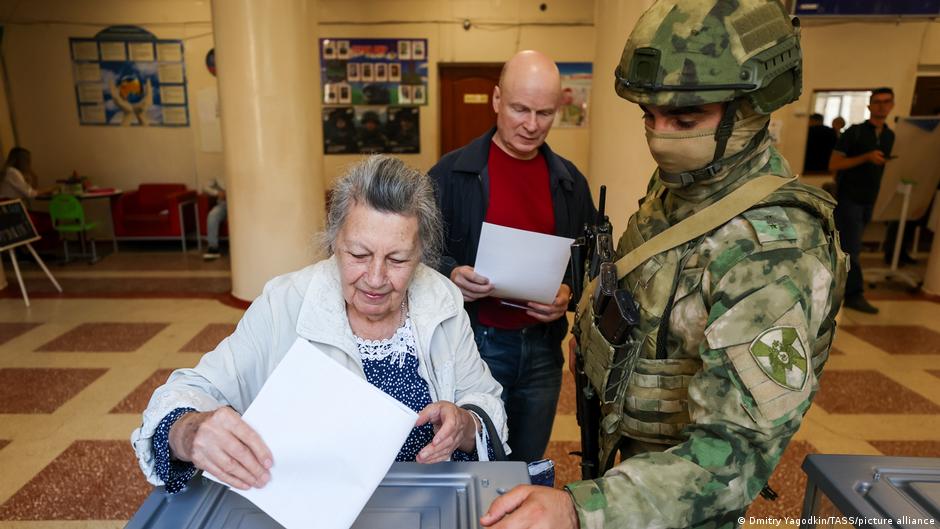
Ukrainian President Volodymyr Zelensky has announced that Russian authorities intend to expand their military mobilization efforts in the fall of 2026, according to intelligence sources. This planned expansion includes recruiting an additional 30,000 soldiers from North Korea, highlighting a growing military collaboration between Moscow and Pyongyang.
Russian Mobilization and North Korean Military Support
Details about the exact nature and scale of the "expanded mobilization" remain unclear. However, Zelensky emphasized that Russian President Vladimir Putin appears prepared to conscript new Russian citizens into the armed forces. The Ukrainian leader warned that Putin is masking these plans under euphemisms, but the intent to escalate military recruitment is evident.
"It is crucial that we and our partners exert sufficient pressure on Russia so that thoughts of ending this aggression become dominant—thoughts of peace rather than additional Russian mobilization," Zelensky stated.
Beyond conscription, Ukraine’s president disclosed that preparations are underway in Russia's Voronezh region to receive North Korean soldiers, coinciding with plans for North Korea to supply Russia with new ballistic missile launchers. This military partnership represents a significant threat to Asian countries within reach of North Korean missile technology, underscoring Russia’s role in enhancing North Korea’s warfighting capabilities.
The escalation in military recruitment and international collaboration comes amid Russia's ongoing conflict with Ukraine, wherein Russian forces reportedly suffer heavy losses that outpace their conscription capabilities. Zelensky has previously described the upcoming wave of mobilization as "quite significant," indicating an intensification of military operations.
Implications for Tech Startups and the Innovation Ecosystem
While these developments originate from geopolitical and military contexts, their ripple effects can reach the global technology and startup ecosystem. Increased military mobilization and international sanctions against Russia could further isolate its tech industry, pushing Russian startups into deeper uncertainty regarding funding and international partnerships.
Moreover, Russia’s reliance on North Korean military aid reflects a broader pattern of seeking external support amid internal resource constraints. For venture capitalists and tech entrepreneurs, such instability complicates the risk landscape—particularly for startups operating in defense technologies, cybersecurity, and dual-use innovations.
The potential for expanded conflict and militarization may also divert government and private investment away from civilian technology projects toward defense applications, altering innovation priorities in affected regions. Additionally, increased geopolitical tensions can trigger disruptions in global supply chains for tech components, affecting startups worldwide.
Given these challenges, investors and innovators should closely monitor shifts in Russian military policy and international relations, as these factors may impact cross-border collaboration, market access, and the overall health of the regional innovation ecosystems.