Ukraine Urges Ban on Russian Military in UN Missions Amid Security and Ethical Concerns
Ukraine calls for excluding Russian armed forces from UN peacekeeping roles following documented war-related sexual crimes.
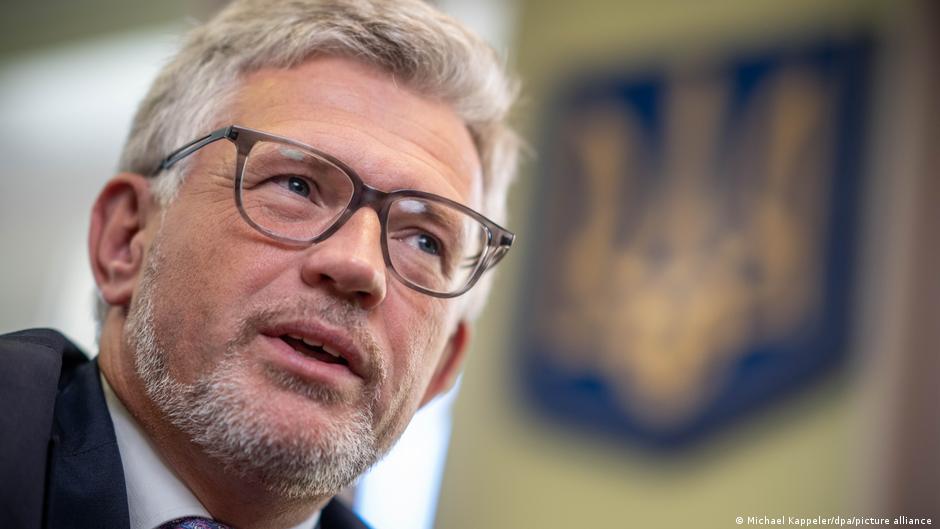
Ukraine has formally called on the United Nations Security Council to prohibit the participation of Russian military personnel in UN peacekeeping and police missions. This appeal comes in the wake of a recent UN report documenting sexual violence committed by Russian armed forces in Ukraine during the ongoing conflict.
Impact on UN Peacekeeping and International Trust
At an emergency UN Security Council session on June 8, Ukraine's Permanent Representative to the UN, Andriy Melnyk, argued that Russian forces "cannot and must not" take part in any operations under the UN flag. The demand follows the UN Secretary-General's inclusion of the Russian military in a list highlighting sexual violence linked to conflict zones, marking the first time Russia has appeared on such a blacklist.
"Russian personnel should be banned from participating in UN peacekeeping and police missions," Melnyk stated, emphasizing concerns about the integrity and effectiveness of UN operations that involve Russian troops.
Melnyk also criticized Russia's representative to the UN, Vasily Nebenzya, who condemned the annual UN report on sexual crimes by Russian forces as an attempt to discredit Russia. The discord underscores a growing mistrust that may complicate the UN's ability to manage peacekeeping operations involving Russian contingents.
Broader Geopolitical and Security Implications for Technology and Innovation Ecosystems
Ukraine's unprecedented call for Russia to withdraw from the UN altogether, if it continues to reject the organization’s resolutions and findings, signals escalating geopolitical tensions that could ripple across international cooperation frameworks, including those in technology and innovation sectors.
For tech startups and venture capital communities focused on Eastern Europe, these developments raise concerns about regional stability and the continuity of international collaborative efforts. The ongoing conflict and diplomatic standoff may impact cross-border investments, joint research initiatives, and the mobility of talent crucial to innovation ecosystems.
Ukraine has proposed concrete steps toward conflict resolution, including arranging a neutral-site meeting between national leaders, an offer repeatedly declined by Russian President Vladimir Putin. The continued hostilities, highlighted by recent large-scale Russian attacks causing significant civilian casualties, exacerbate uncertainty in the region.
Such instability can deter venture capital inflows and delay mergers and acquisitions, crucial for scaling tech ventures embedded in or reliant upon Eastern European markets. Furthermore, the reputational damage to Russia from these UN revelations may influence global corporate partnerships and investor confidence.
In this context, the call to exclude Russian military personnel from UN missions is both a humanitarian and symbolic move, potentially reshaping diplomatic relations that underpin global innovation networks.
As the conflict persists, investors and startup founders must closely monitor shifts in international policies and alliances that could affect operational risks and opportunities across the technology sector in the region.