US Lifts Sanctions on Bel-Kap-Steel Amid Belarus Political Prisoner Releases
US Treasury removes restrictions on Bel-Kap-Steel as Belarus releases political prisoners, signaling potential shifts in regional business and investment climate.
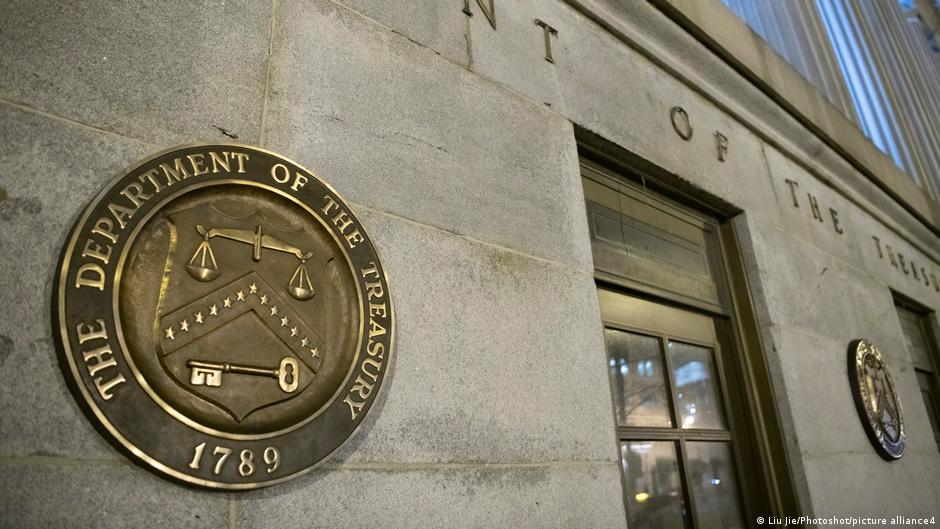
The United States has lifted sanctions on Miami-based company Bel-Kap-Steel, which has formed a joint venture with the Belarusian Metallurgical Plant (BMZ), a key entity within Belarus’s metallurgical sector. This move coincides with the recent release of political prisoners in Belarus and marks a notable development in the region’s business and geopolitical landscape.
Sanctions Lifted Following Belarus Political Developments
Bel-Kap-Steel was originally sanctioned by the US Treasury’s Office of Foreign Assets Control (OFAC) in August 2023, alongside similar measures imposed by the European Union. The sanctions targeted the company due to its connection with BMZ, one of Belarus’s largest state-owned enterprises, which produces steel products for both domestic use and export. At the time, the US described BMZ as a major source of revenue supporting the Lukashenko regime.
However, a significant thaw took place between Washington and Minsk starting in late 2025, triggered by a series of political prisoner releases. These releases occurred amid ongoing negotiations between the two governments, facilitated by former US special envoy John Coull. Coull’s diplomatic efforts led to the liberation of over 370 political detainees between December 2025 and March 2026. Further prisoner exchanges involving Poland and Belarus followed, strengthening the prospects for improved bilateral relations.
"The easing of sanctions reflects the US response to concrete steps taken by Belarus to address human rights concerns through prisoner releases," a senior US official noted.
As a result, the US Treasury has progressively relaxed restrictions on Belarusian entities, including financial institutions such as Belinvestbank and the Belarus Development Bank, as well as key state-owned enterprises in the potash sector like Belaruskalij.
Implications for Tech Startups and Venture Capital Ecosystem
The lifting of sanctions on Bel-Kap-Steel and associated financial institutions could have broader implications for Belarus’s innovation ecosystem. While Bel-Kap-Steel itself operates in the heavy industry sector, the easing of restrictions opens avenues for renewed foreign investment, including venture capital inflows targeting Belarusian tech startups and emerging enterprises.
Belarus’s technology sector, long hampered by political risks and international sanctions, might experience a cautious revival as global investors reassess the risk profile. Improved diplomatic relations and the softening of economic barriers could encourage joint ventures, mergers, and acquisitions involving Belarus-based tech companies and their Western partners.
Furthermore, the unblocking of financial institutions may provide greater access to international banking and payment systems, a critical enabler for startups seeking cross-border capital and partnerships. This financial normalization can stimulate innovation by easing capital flow constraints and enhancing the overall business climate.
However, uncertainties remain as political stability and compliance with international norms continue to be closely monitored by investors. The current developments signal a tentative but meaningful shift that could reshape Belarus’s position within the global venture capital and technology landscape.
Outlook
Bel-Kap-Steel’s removal from the sanctions list symbolizes a potential opening in US-Belarus economic relations that may extend beyond traditional heavy industries. The gradual lifting of restrictions could catalyze a more vibrant startup ecosystem supported by venture capital and international partnerships, contingent on sustained political reforms and transparent governance.
As investors observe these geopolitical shifts, Belarus’s technology sector could emerge as an attractive destination for innovation-driven capital seeking new opportunities in Eastern Europe.