Wildberries Warehouses Attacked in Russia and Crimea, Impacting Regional Logistics Infrastructure
Ukrainian strikes targeted multiple Wildberries distribution centers, disrupting operations and challenging Russia's e-commerce logistics network.
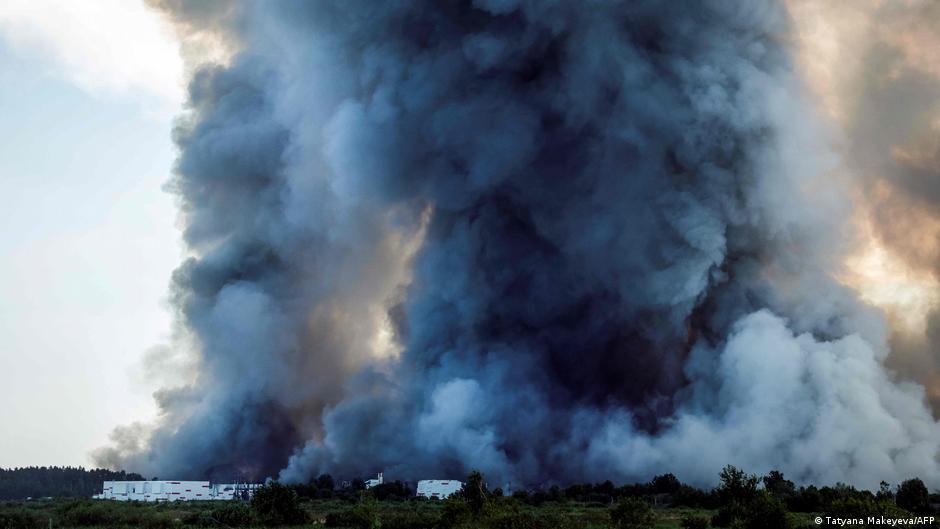
Ukraine has continued its offensive targeting key logistics hubs of Wildberries, Russia's largest online retailer, with recent attacks impacting warehouses in the Leningrad region, Tver, and the annexed territory of Crimea. The strikes mark a significant disruption to the company's regional distribution capabilities amid ongoing geopolitical tensions.
Widespread Impact on Wildberries’ Logistics Operations
Reports emerging from various Telegram channels and open-source investigations indicate that on the night of July 24, Ukrainian forces struck at least three Wildberries warehouses: one near Saint Petersburg in the village of Novosaratovka (Vsevolozhsky district, Leningrad region), another in Tver, and a sorting center in Simferopol, Crimea.
The warehouse near Saint Petersburg is strategically located just outside the city boundary, serving as a critical logistics node for the metropolis. Eyewitness footage and OSINT analyses shared on Telegram show large fires and plumes of smoke rising above the city, suggesting multiple points of impact. Video evidence claiming to capture the moment of attack further confirms the scale of damage.
Wildberries’ official press service subsequently announced temporary suspension of operations at logistics complexes in the Shushary and Utkina Zavod districts of Saint Petersburg, with updates on resumption of work pending.
Simultaneously, the sorting center in Simferopol was evacuated in line with safety protocols. Additional reports mention a strike on an electrical substation in Sudak, Crimea, causing local power outages and disruption of water supplies, although these details remain unverified.
"Logistics centers in Saint Petersburg’s Shushary and Utkina Zavod have halted operations temporarily. Resumption will be announced later," Wildberries press service stated.
Local authorities have yet to publicly comment on the attacks, including governors of the Leningrad region and Saint Petersburg, as well as regional officials in Tver and Crimea.
Broader Consequences for Tech Startups and E-Commerce Ecosystem
These attacks exacerbate operational challenges for Wildberries, which has been a cornerstone of Russia's e-commerce ecosystem. According to a recent estimate by Kommersant, the Ukrainian offensive has affected roughly 10% of Wildberries’ entire logistics footprint—about 552,000 square meters of warehouse space—across multiple regions.
Previous attacks had already inflicted severe damage on logistics hubs in Elektrostal near Moscow, Kotovsk in Tambov region, Krasnodar, and Nevinnomyssk in the Stavropol Territory. The strike on July 18 alone resulted in eight fatalities and around 50 injuries at two facilities, reflecting the grave human and operational toll.
From a venture capital and startup ecosystem perspective, disruptions to Wildberries’ supply chain pose a risk to the broader Russian tech and retail innovation environment. As Wildberries plays a critical role in digital retail infrastructure, interruptions could slow consumer access to tech-driven services and products, impacting growth trajectories of associated startups and logistics tech innovators.
Moreover, the statements by Ukrainian President Volodymyr Zelensky alleging that some logistics centers were used to facilitate delivery of components for drone manufacturing highlight the complex intersection of commercial infrastructure and geopolitical conflict. This further complicates investment and operational risks for startups and venture-backed companies operating in or with Russia.
The unfolding situation underscores the vulnerability of large-scale tech-driven supply chains in conflict zones, prompting a reevaluation of risk management strategies among venture capitalists and startup founders engaged in the region.