UN Faces Financial Crisis Amid Delayed Payments from US and China Impacting Global Stability
Delayed contributions from major donors US and China threaten UN's financial stability, leading to budget cuts affecting peace operations and humanitarian programs.
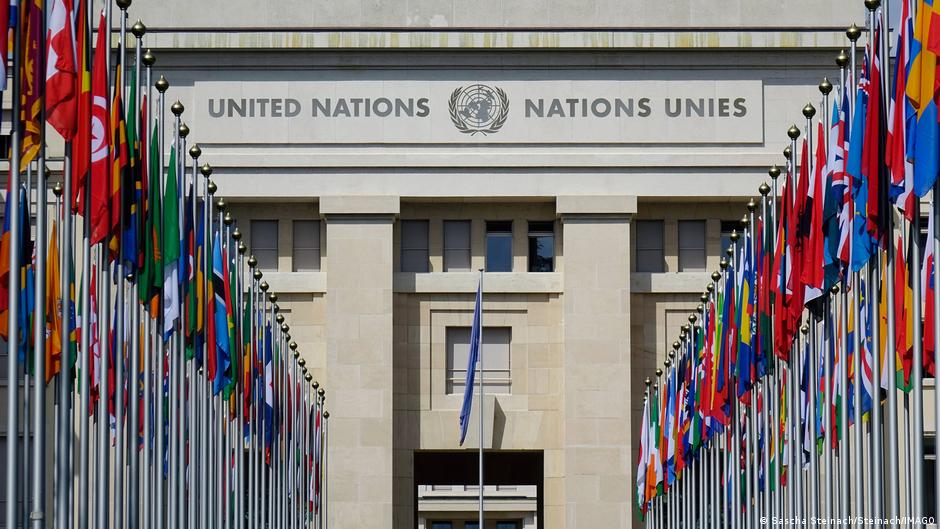
The United Nations (UN) is nearing a financial crisis triggered by delayed payments from the United States and China, which together contribute 42% of the organization's budget, according to recent reports. This shortfall has forced the UN to significantly reduce spending on peacekeeping and humanitarian efforts, raising concerns about the broader impact on the global governance and stability ecosystem.
Implications for Peacekeeping and Humanitarian Innovation
The financial strain on the UN stems from a debt exceeding $4 billion owed by the US and China’s outstanding balance of approximately $455 million, despite a partial payment of nearly $850 million made during a recent diplomatic visit. The US has tied its future contributions to demands for cost reductions within the UN, including job cuts, decreased use of business-class travel, and reliance on automated translation technologies.
Other significant donors such as Germany and the UK have also cut funding, affecting programs focused on hunger and disease relief. Political shifts in countries like Sweden and the Netherlands have further contributed to reduced financial support. These trends jeopardize ongoing innovation in UN-led initiatives and peacekeeping missions, potentially destabilizing regions dependent on such international support.
Antonio Guterres, UN Secretary-General, warned in 2023 that the organization was "on a race to bankruptcy," highlighting the "very real prospect of financial collapse."
With the UN unable to borrow funds and limited authority to restructure operations or reduce personnel—70% of expenses are salaries—the organization has resorted to drastic measures. These include closing offices, cutting 3,000 Secretariat jobs, reducing translator shifts, turning off escalators in the New York headquarters, and deferring payments to poorer countries that supply troops for peacekeeping missions.
The accelerated withdrawal of troops from conflict zones in Africa and sharp budget cuts to peacekeeping efforts may create gaps in global security frameworks, undermining stability and increasing risks in volatile regions. For the venture capital and tech startup ecosystem, these developments highlight challenges and opportunities around innovation in international governance, crisis response, and sustainable funding models for global institutions.
Experts suggest that the UN’s financial predicament could catalyze demand for new technological solutions that improve operational efficiency and transparency, while also prompting debates about alternative funding mechanisms that rely less on politically volatile government contributions.
As the UN approaches a critical funding shortage expected by mid-August, and with leadership succession on the horizon, the international community faces urgent decisions that will shape the future of multilateral cooperation and the global innovation ecosystem supporting peace and humanitarian work.