UN Peacekeeping Forces Reach 25-Year Low Amid Funding and Geopolitical Strains
SIPRI reports a sharp decline in UN peacekeeping personnel, signaling challenges for global conflict resolution and potential impacts on security-related tech innovation
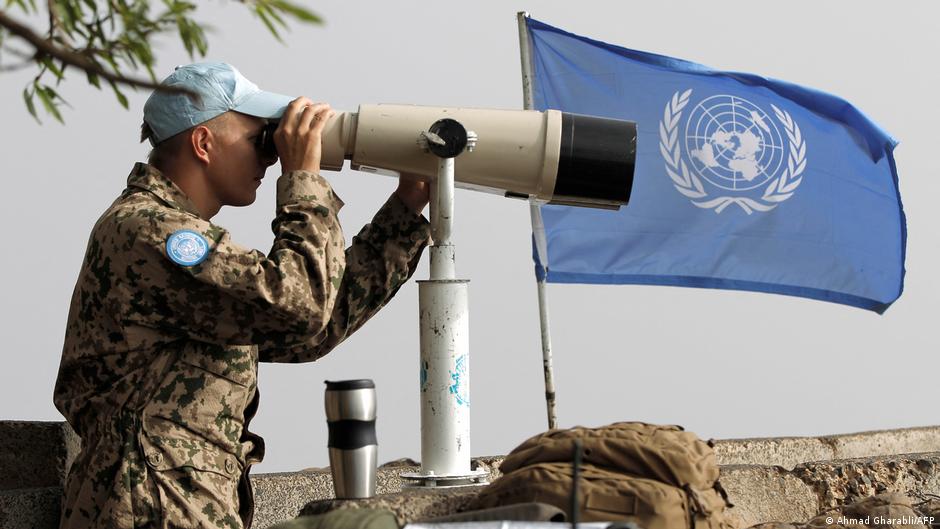
The United Nations peacekeeping forces have dwindled to their lowest level in 25 years, according to a new report by the Stockholm International Peace Research Institute (SIPRI). This decline, driven by geopolitical tensions, political pressures, and funding crises, presents significant challenges not only for global conflict resolution but also for the broader innovation ecosystem that supports security and defense technologies.
Sharp Decline in Peacekeeping Personnel
As of the end of 2025, international peacekeeping personnel deployed worldwide numbered 78,633, representing a 49% decrease from 2016 and the smallest contingent since 2000. The annual reduction in 2025 alone was 17%, the steepest in a decade-long downward trend. SIPRI attributes this decline to strained geopolitical relations, delayed or incomplete contributions from key donors, and political complexities affecting mandate renewals.
“If this trend continues, we will witness a dramatic weakening of multilateral conflict resolution efforts and a near-total loss of significance for institutions like the UN,” warned Yair van der Lijn, SIPRI’s Director for Peace Operations and Conflict Resolution.
This deterioration is expected to increase the frequency and intensity of conflicts worldwide, potentially inflicting greater harm on civilian populations and destabilizing established international norms.
Implications for the Tech Startup and Venture Capital Ecosystem
The contraction of UN peacekeeping missions has cascading effects on the tech startup landscape, particularly those focused on security, defense, and crisis management technologies. Reduced peacekeeping activity may lead to diminished demand for innovative security solutions, affecting startups developing surveillance drones, conflict monitoring AI, secure communication platforms, and humanitarian logistics technologies.
Moreover, geopolitical and funding uncertainties that hamper peacekeeping efforts also deter venture capital investment in these sectors. Investors typically seek stable environments where innovations can be tested and deployed effectively. The current turmoil introduces elevated risks, potentially stalling venture activity and delaying mergers and acquisitions (M&A) involving defense tech startups.
Regional organizations such as the African Union and ECOWAS have also faced similar funding challenges and decision-making delays, further limiting opportunities for startups engaged in regional peace and security technologies to scale. The absence of viable alternatives to UN peacekeeping missions underscores a gap in multilateral conflict management mechanisms, creating uncertainty for entrepreneurs and investors alike.
Funding Crisis and Political Gridlock
SIPRI highlights that in July 2025, UN peacekeeping operations faced a $2 billion shortfall, equating to 35% of their $5.6 billion budget for 2024-2025. Delayed or incomplete payments from major donors forced the UN to reduce personnel across multiple missions. Political obstacles, including veto threats by permanent UN Security Council members, further complicated the extension of mission mandates, exemplified by the contested renewal of the UN Interim Force in Lebanon (UNIFIL).
Since 2014, no new UN peacekeeping mandates have been granted, although regional bodies have deployed some operations. However, these organizations lack the financial resources and political cohesion to fill the void left by the UN, limiting the scope for multilateral ventures in conflict resolution technology development and deployment.
Looking Ahead: Need for Stable Multilateral Support
Despite these challenges, international support for peacekeeping remains broadly steady. A UN Peacekeeping Ministerial in May 2025 in Berlin saw participation from over 130 countries, reflecting ongoing political commitment. Experts emphasize that to sustain effective multilateral conflict resolution, predictable funding and a strong political framework are essential.
Claudia Pfeifer Cruz, Senior Researcher at SIPRI, noted, “There is clear principled support for UN peacekeeping operations, but states must go beyond mere expressions of backing. They need to ensure predictable financing and establish the political foundation that enables effective multilateral peace missions.”
For the venture ecosystem, this implies that renewed international stability and funding can rejuvenate demand for innovative peacekeeping technologies, encouraging startups and investors to re-engage in this critical domain.