US and Iran Agree on Communication Channel to Prevent Incidents in Strait of Hormuz
The US and Iran have established a direct line of communication to ensure safe maritime passage through the Strait of Hormuz, marking progress in diplomatic talks.

The United States and Iran have agreed to create a dedicated communication channel aimed at preventing incidents and misunderstandings in the strategic Strait of Hormuz, a key transit route for global energy supplies. This development comes after a high-level committee finalized a roadmap to reach definitive agreements within 60 days during a diplomatic meeting held at the Burgenstock resort in Switzerland.
Implications for Regional Stability and Economic Security
The establishment of this communication channel is intended to secure the safe passage of commercial vessels through the Strait of Hormuz, a maritime chokepoint that has historically been vulnerable to geopolitical tensions. The agreement signals a commitment by both parties to reduce the risk of military escalations that could disrupt global trade flows, especially in energy markets.
“A direct line of communication between the parties is now established to prevent incidents and misunderstandings, facilitating the safe transit of commercial ships through the Strait of Hormuz,” stated the Qatari Ministry of Foreign Affairs, who acted as a mediator in the talks.
The negotiations also resulted in the formation of a conflict resolution group including representatives from Iran, the US, and Lebanon, aimed at supporting the cessation of military operations in Lebanon as outlined in the accompanying Memorandum of Understanding. Technical discussions are scheduled to continue through the week to address nuclear issues, sanctions, and dispute monitoring.
Qatar and Pakistan have expressed their appreciation for the diplomatic efforts of Washington and Tehran, highlighting the positive atmosphere and constructive progress achieved at the summit near Lake Lucerne.
Iranian Foreign Minister Abbas Araghchi described the outcomes as a significant step toward ending hostilities in Lebanon, underscoring the broader regional impact beyond the Strait itself.
Notably, prior to the negotiations, Tehran announced a temporary closure of the Strait of Hormuz citing ongoing Israeli military operations in Lebanon and accusing the US of violating commitments by not ceasing hostilities. This announcement had raised international concerns over potential disruptions to maritime commerce.
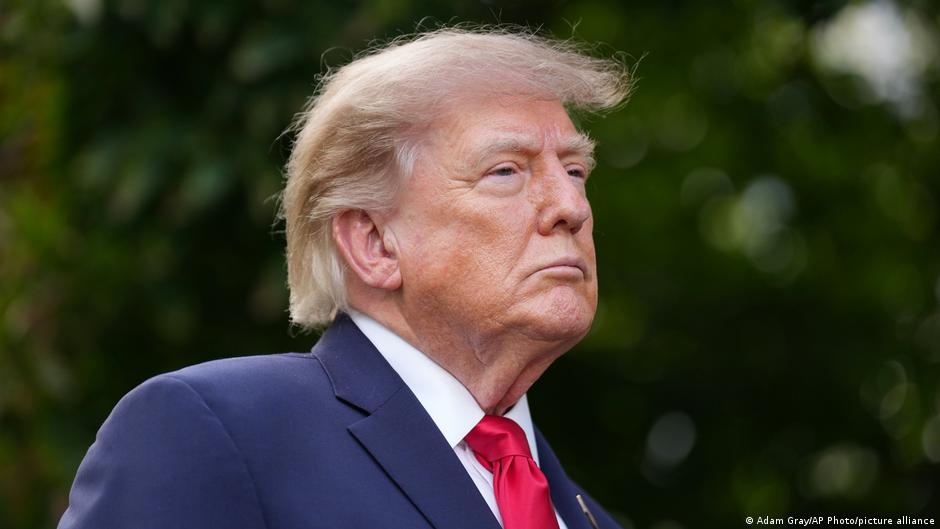
The recent framework agreement between US President Donald Trump and Iranian President Masoud Pezeshkian, signed on June 15, extends a ceasefire declared in April and includes provisions for reopening the strategic waterway. The talks set a 60-day timeline for finalizing the terms, with the newly created communication line being a tangible initial outcome.
Impact on Tech Startups and Venture Capital Ecosystem
While the immediate focus of these diplomatic efforts is on security and conflict resolution, the broader implications for technology startups and the venture capital environment in the region are notable. Stability in the Strait of Hormuz ensures uninterrupted energy exports, which helps stabilize regional economies and investor confidence.
Reduced geopolitical risk can encourage greater foreign direct investment, including in the technology and innovation sectors. Moreover, transparent communication channels between adversarial states set a precedent for conflict mitigation that can extend to economic and technological collaboration.
For venture capitalists and startups operating in the Middle East and adjacent markets, improved diplomatic relations may facilitate cross-border partnerships, ease regulatory uncertainties, and open pathways for technology transfer and innovation funding.
As the roadmap progresses, stakeholders in the tech ecosystem will be closely monitoring the evolving geopolitical climate, which is poised to influence market dynamics, M&A activity, and the overall innovation landscape in the region.