US and Iran Near Agreement to End Conflict, Paving Way for Regional Stability and Innovation
US President Donald Trump announces positive progress in negotiations with Iran, signaling potential breakthrough influencing broader geopolitical and economic landscapes.
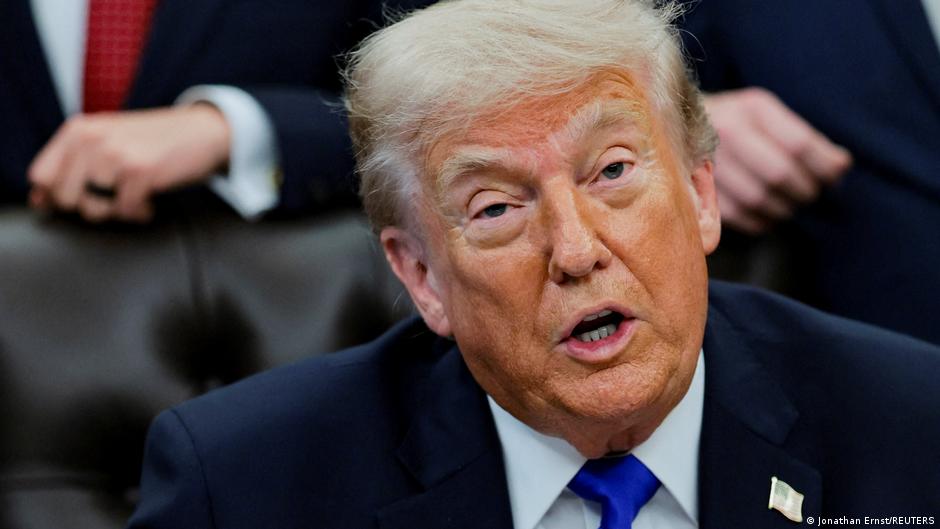
United States President Donald Trump announced on May 6th that Washington has conducted "very good" negotiations with Iran, bringing both countries closer to resolving their longstanding conflict. Speaking at a White House press conference, Trump indicated that a formal deal could soon be finalized, potentially ending years of tension between the two nations.
"Things are going well right now, and we must get what we need. If not, we have to take a bigger step. But they want to make a deal," Trump said. According to the president, Tehran has agreed to the United States' primary demand: abandoning development of nuclear weapons. Although Iranian officials have yet to comment publicly on these statements, the sign of progress offers a rare diplomatic opening.
Implications for Technology Startups and Venture Capital Ecosystem
The potential thaw in US-Iran relations could have significant ripple effects on the technology startup ecosystem and venture capital activity both regionally and globally. For years, sanctions and geopolitical instability have stifled Iran's innovation environment, limiting access to international partnerships, capital investments, and market opportunities.
Should the tentative agreement materialize, it may pave the way for lifting certain sanctions, which would unlock new avenues for Iranian startups in fields such as cybersecurity, fintech, and biotech to engage with global venture capital markets. This could attract foreign direct investment and strategic partnerships, accelerating innovation within Iran's tech sector.
"This breakthrough could signal a new era of cross-border collaboration and open doors for entrepreneurs and investors aiming to tap into untapped markets," said a tech industry analyst.
The rumored "one-page memorandum of understanding" reportedly sets a 30-day timeline for negotiating additional accords covering critical topics like the Strait of Hormuz, Iran's nuclear program, and US sanctions. Analysts expect this framework to provide stability and predictability required for venture capital firms and startups to consider re-entry or expansion in the region.
Moreover, a peaceful resolution could reduce geopolitical risks that have historically inflated investment costs and complicated M&A transactions involving Middle Eastern technology firms. For global investors, this signals a potentially lucrative opportunity to diversify portfolios and capitalize on emerging innovation hubs previously constrained by political factors.
Iran's engagement through Pakistan as an intermediary also highlights the complex diplomatic efforts underway to facilitate this potential breakthrough, emphasizing the importance of regional cooperation in fostering a conducive environment for business and technology development.
In summary, the US-Iran negotiation progress not only addresses critical security concerns but also holds promising implications for the global venture capital landscape and the future of tech innovation across the Middle East.