US Charges Former Cuban Leader Raul Castro in 1996 Killing of US Pilots
The indictment against Raul Castro signals heightened US-Cuba tensions and could impact regional political stability affecting innovation ecosystems.
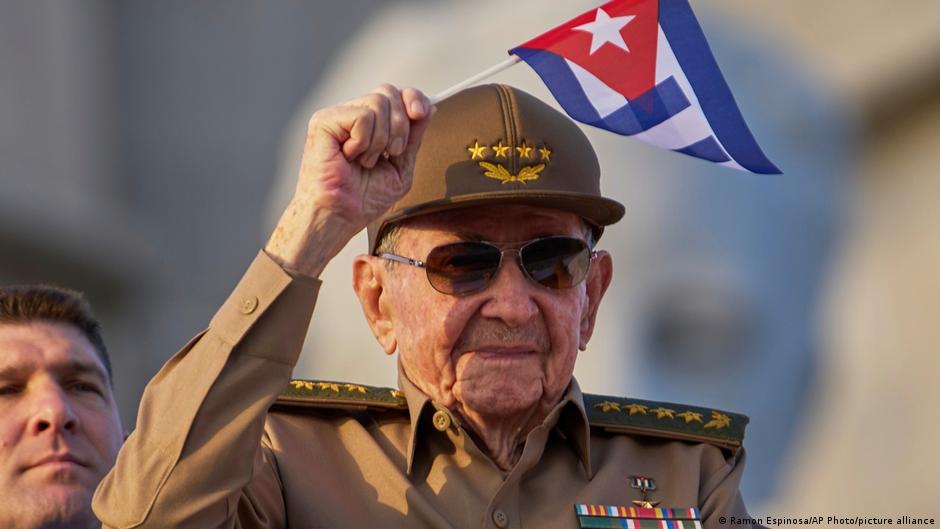
The US Department of Justice has charged former Cuban leader Raul Castro with the 1996 killing of four US pilots engaged in rescue operations for Cuban refugees at sea. Acting US Attorney General Todd Blanche announced the indictment on May 20 in Miami, signaling a sharp escalation in US-Cuba relations that could have ripple effects across the region’s political and economic landscape.
Background of the Incident and Political Context
Raul Castro, former First Secretary of the Communist Party of Cuba and Minister of Defense at the time, faces accusations of conspiracy to commit murder related to the downing of two planes belonging to Brothers to the Rescue, an organization based in Miami that aided Cubans fleeing the island via the sea. The incident resulted in the deaths of all four US citizens on board.
The Cuban government defended its military's actions as a lawful response to what it characterized as an airspace violation. However, the International Civil Aviation Organization later determined that the planes were shot down over international waters, intensifying the controversy.
"My message is clear," said Todd Blanche. "The United States and President Trump will not forget their citizens."
Blanche emphasized that while the 94-year-old Castro’s indictment is largely symbolic, the US intends to bring him to justice whether voluntarily or by force. "We expect him to come here willingly or otherwise and face imprisonment," he added.
The announcement comes amid escalating political tensions following the US's efforts to undermine regional allies such as Venezuela’s Nicolás Maduro and the imposition of an energy blockade on Cuba. These developments could destabilize the Caribbean region, influencing both political dynamics and the business environment including innovation ecosystems.
Implications for Tech Startups and Venture Investment
Although the charges target a historical political matter, the broader geopolitical strain between the US and Cuba may affect the island’s burgeoning tech and startup sectors. As Cuba historically has had limited access to US capital and technology due to longstanding embargoes, renewed tensions risk further isolating Cuban innovators from global venture capital networks and tech partnerships.
The symbolic indictment and accompanying rhetoric from US officials, including Cuban-American Senator Marco Rubio’s calls for Cubans to reject the socialist government, reflect ongoing efforts to reshape Cuba’s political future. For startups and investors, these signals introduce uncertainty around market liberalization, regulatory reforms, and cross-border collaboration prospects.
While Raul Castro played a key role in historic US-Cuba rapprochement efforts under Barack Obama, subsequent policy reversals by the Trump administration have halted progress. Given that US investors prioritize stable and open markets, thus far the Cuban ecosystem remains constrained.
However, should political shifts lead to eventual normalization, Cuba’s educated workforce and growing digital infrastructure could position it as a promising emerging market for innovation and venture investment in the Caribbean. For now, the indictment underscores the fragile geopolitical environment that tech entrepreneurs and VCs must navigate.
In conclusion, the US charges against Raul Castro highlight an intensified geopolitical conflict that goes beyond historical grievances. The ramifications extend into regional economic conditions and the prospects for technology-driven growth and investment in Cuba and neighboring countries.