US Delays EU Auto Tariff Hike Amid Ongoing Trade Negotiations and Its Impact on Tech Startups
President Trump postpones planned 25% auto tariffs on EU imports to July 4, affecting transatlantic supply chains and venture-backed automotive tech firms.
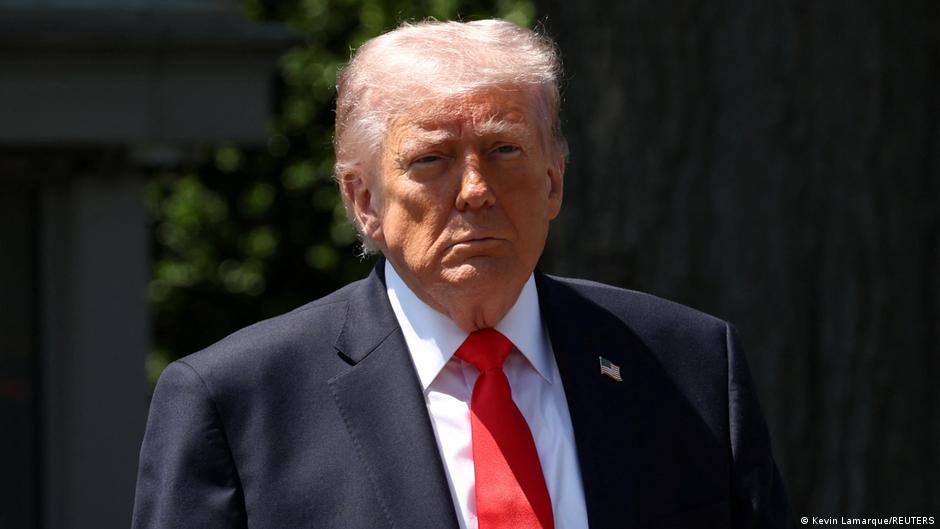
President Donald Trump has postponed the scheduled increase in tariffs on automobiles imported from the European Union until July 4. This decision follows what Trump described as a "wonderful phone call" with European Commission President Ursula von der Leyen, reflecting ongoing negotiations aimed at resolving differences in the US-EU trade relationship.
Implications for Innovation Ecosystem and Venture Capital
The potential 25% tariff hike announced earlier this month had raised concerns across sectors, particularly impacting automotive manufacturers and the broader technology startup ecosystem. Many emerging companies specializing in automotive technologies, including electric vehicles (EVs), autonomous driving, and connected car platforms, rely heavily on integrated transatlantic supply chains and investment flows.
"We have seen good progress towards reducing tariffs by early July," said von der Leyen, emphasizing the commitment of both parties to the historic trade agreement.
In early May, Trump declared an impending tariff increase on both passenger and commercial vehicles imported from the EU, citing non-compliance with a trade agreement struck in Turnberry, Scotland. The agreement, signed in September 2025, aimed to reduce European auto export tariffs retroactively from 27.5% to 15%, while the EU committed to eliminating tariffs on a broad range of American industrial and agricultural goods.
However, the exact terms Trump referenced when accusing the EU of breaches remain unclear, stirring uncertainty among venture capital investors and startup founders operating in related fields. Tariffs can influence production costs, investment decisions, and cross-border collaborations vital for innovation.
Von der Leyen stressed readiness for all outcomes but underlined the EU's adherence to the agreement, signaling a willingness to maintain open markets and support stable economic ties. For tech startups, especially those in automotive tech, clarity and predictability in trade policies are crucial to securing venture capital funding and forging partnerships.
The delayed tariff implementation provides a window for further dialogue, which could help ease tensions that otherwise might have disrupted the growing transatlantic innovation ecosystem. The US and EU's commitment to tariff reductions could bolster confidence in cross-border investments and M&A activities within the high-tech automotive sector.
As the July 4 deadline approaches, venture capitalists and startup leaders will closely monitor how negotiations evolve, given the potential repercussions on supply chain costs, market access, and collaborative technology development critical to the future of mobility and transportation innovation.