U.S.-Denmark Greenland Deal Puts Arctic Security and Critical Minerals in Focus
The expected agreement would expand U.S. military presence in Greenland while raising strategic questions for investors tracking Arctic infrastructure and rare earths.
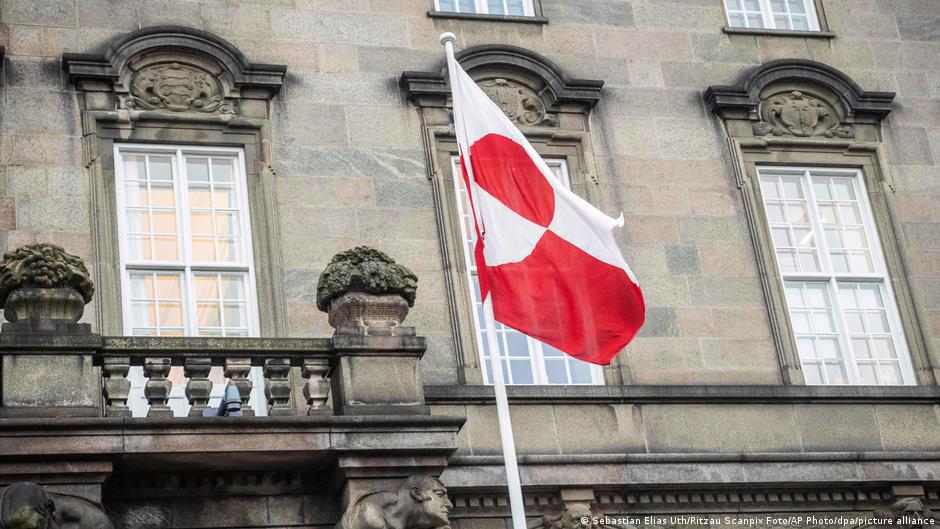
The United States has reached understandings with Denmark and Greenland to expand the U.S. military presence on the island, President Donald Trump said, framing the move as a sweeping security arrangement for the Arctic. The governments in Copenhagen and Nuuk confirmed that agreements had been reached, although their own statement described the arrangement as an expected agreement, suggesting that final documents may not yet have been signed.
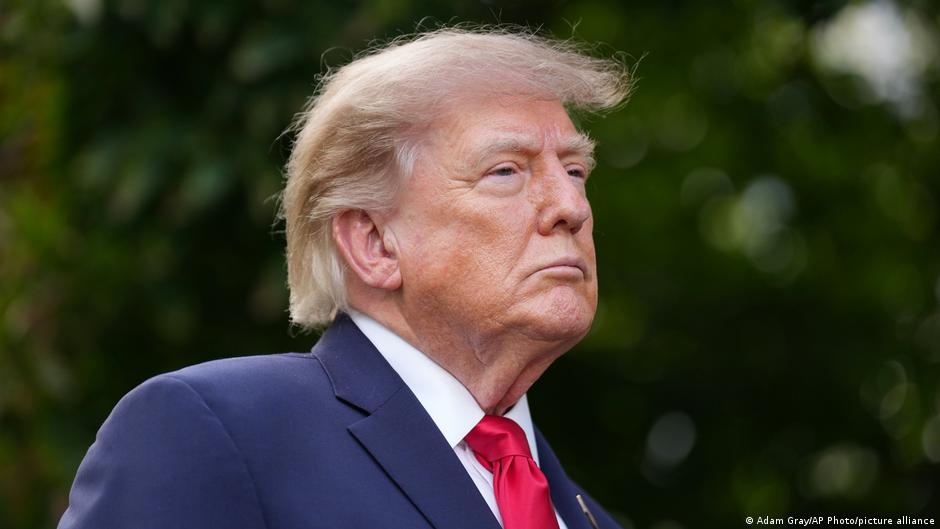
Trump wrote on Truth Social on Friday evening, September 18, that the agreement on “Greenland security” would give the United States “permanent control over security and all other needs in Greenland.” According to Trump, Washington has received an indefinite right to “do everything necessary in Greenland to ensure and protect the security” of both the island and the United States.
The president also said that, without U.S. approval, “opponents of the United States” would be unable to establish military bases in Greenland or carry out “sensitive investments” in the autonomous Danish territory. Trump asserted that the deal would cost the United States nothing.
For the venture and startup ecosystem, the announcement matters less as a conventional defense headline than as a signal about how national security, Arctic infrastructure, strategic minerals and foreign investment screening are converging. Greenland sits at the intersection of North Atlantic defense routes and resource competition, including rare earth materials that officials close to Trump have repeatedly noted as a major feature of the island’s value. Any durable U.S. security role could influence how capital flows into mining, logistics, satellite connectivity, dual-use technologies and infrastructure ventures tied to the Arctic region.
Security Terms Could Shape Sensitive Investment
Trump said the United States would immediately begin expanding its military presence in several parts of Greenland. He also praised himself for completing a deal that, in his telling, previous U.S. leaders had been unable to secure for 100 years, saying its results would be highly valued by the American people.
Denmark and Greenland welcomed the understandings with Washington. Danish Prime Minister Mette Frederiksen said the agreement would benefit NATO by strengthening “our common security in the Arctic and in the North Atlantic region.” In a joint statement, Copenhagen and Nuuk also emphasized that the understandings recognize Denmark’s “sovereignty and territorial integrity” as well as “the right of the people of Greenland to self-determination.”
Greenlandic Prime Minister Jens-Frederik Nielsen said the agreement “ensures and strengthens the security of Greenland, the Kingdom of Denmark, the United States and the Western alliance.” He added that it also recognizes Greenland’s interests and the autonomous region’s place in international cooperation.
“Denmark and Greenland understand that they do not have the necessary financial resources to protect Greenland in the event of an attack or threat. The United States has the necessary resources,” Rubio said, according to Fox News Digital.
U.S. Secretary of State Marco Rubio called the Greenland deal a “huge victory” for the United States and Americans in comments to Fox News Digital. He said the agreement “forever guarantees U.S. security interests in the Arctic without any cost to American taxpayers.”
The investment dimension is embedded in the language Trump used. A U.S. role in approving or blocking “sensitive investments” could affect the risk calculus for international funds, strategic acquirers and startups pursuing Greenland-related projects. For companies working in critical minerals, energy systems, ports, communications or defense-adjacent technologies, the island may become more legible as a U.S.-aligned security zone. At the same time, tighter scrutiny could narrow the pool of acceptable investors and make regulatory diligence a central part of any transaction.
A Deal Still Described as Expected
The statement issued by Nuuk and Copenhagen was titled as a press release about an “expected agreement” with the United States. That wording may indicate that the documents themselves have not yet been signed. Under Trump, negotiations between Washington and various countries have repeatedly collapsed at the last minute, after which the White House was accused of trying to change deal terms “at the last minute.”
That uncertainty is important for venture-backed companies and corporate dealmakers. Startups operating in frontier geographies often depend on stable rules around permitting, infrastructure access and foreign ownership. If the Greenland arrangement remains unsigned, or if its final terms differ from the public descriptions, investors will have to distinguish between political signaling and enforceable policy.
The potential Greenland deal could mark the end of Trump’s years-long drive to secure control over the island, which is located off the coast of North America but is part of Denmark. During his first term, Trump said he wanted to buy Greenland. After returning to the White House, he increased pressure on Denmark and its European allies, even threatening them with large customs tariffs. Trump has justified his approach by citing U.S. security needs, while officials close to him have repeatedly pointed to Greenland’s wealth in rare earth resources.
For venture capital, the most immediate impact is likely to be thematic rather than transactional. The agreement reinforces a broader shift in which defense priorities and industrial policy are influencing startup markets. Arctic monitoring, resilient communications, autonomous systems, energy storage, mineral processing and supply chain security are all areas where strategic demand can create opportunities. But companies will also face heightened geopolitical scrutiny, especially if their cap tables include foreign strategic investors or if their technology has dual-use applications.
If the agreement is finalized on the terms described by Trump, Greenland could become a more prominent node in the Western innovation and defense ecosystem. The island’s role would extend beyond military basing into a broader architecture of security-controlled investment, resource access and infrastructure development. For founders and investors, the signal is clear: in the Arctic, market opportunity and national security are increasingly inseparable.