U.S. Department of Defense Releases Declassified UFO Files, Fueling Tech and Innovation Discussions
Pentagon unveils 161 declassified UFO files, encouraging public and expert analysis with implications for data transparency in tech ecosystems.
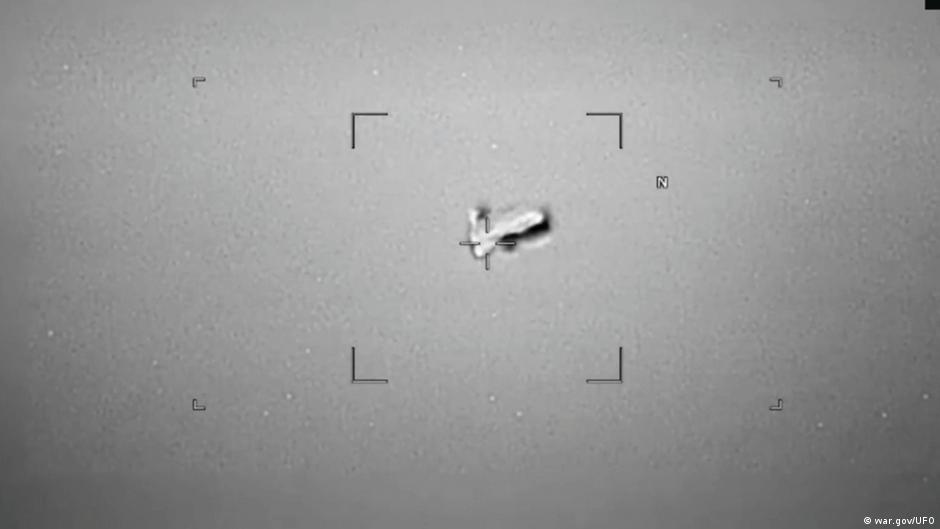
The U.S. Department of Defense (DoD) has initiated the release of 161 declassified files related to unidentified aerial phenomena (UAP) and unidentified flying objects (UFOs). This unprecedented release includes photos, PDF documents, and videos, now accessible on the Pentagon's official website since May 8.
Implications for Transparency and Data Access in Technology and Innovation
The creation of this archive represents a historic initiative involving coordination across dozens of government agencies and the examination of millions of documents, many existing only in paper form and spanning several decades. The DoD plans to continue publishing additional materials every few weeks as they are discovered and declassified.
Key participants in this release include the White House, the Office of the Director of National Intelligence, the Department of Energy, NASA, the FBI, and other intelligence divisions. The breadth of involvement highlights the complexity and scale of government data management and inter-agency collaboration — elements that are increasingly relevant to the tech sector’s challenges around data governance and transparency.
"This is an unprecedented historical initiative requiring coordination among dozens of agencies and the review of millions of documents," Pentagon officials stated, underscoring the scale of the effort.
Currently, the released archives comprise files from the DoD, FBI, NASA, and the U.S. State Department. Among them are recent video recordings, including one dated January 2026, showcasing the ongoing nature of these investigations. Although all files have undergone security clearance, many still await thorough analysis to explain the anomalies captured.
This release follows an executive order given by former President Donald Trump in February, motivated by "enormous public interest." The move signals a shift toward enhanced public access to governmental data, a trend echoed in the startup ecosystem, where transparency can drive innovation and trust.
The broader cultural context includes notable public discourse on UFOs, fueled by comments from former President Barack Obama, who humorously acknowledged the possibility of extraterrestrial life but denied any government concealment akin to conspiracy theories about "Area 51." His remarks sparked widespread social media discussions and heightened public curiosity.
From a venture capital and startup perspective, this initiative could catalyze new opportunities. Increased data availability and government openness may inspire startups focused on advanced data analytics, aerospace technologies, and security innovation. Moreover, as governments adopt open data policies, startups and established tech companies alike can leverage these resources for new products and services.
Furthermore, the cross-agency collaboration model demonstrated by the DoD might inform how future innovation ecosystems develop, emphasizing partnership between public institutions and private ventures.
While the released information currently lacks definitive scientific explanations, the ongoing openness encourages expert and public engagement, fostering a collaborative environment for exploration and technological advancement.