US Extends Sanctions License for Serbian Oil Company NIS Amid Gazprom Stake Sale
Temporary US license allows Serbian oil firm NIS to continue operations under sanctions as Gazprom’s stake sale deadline is extended.
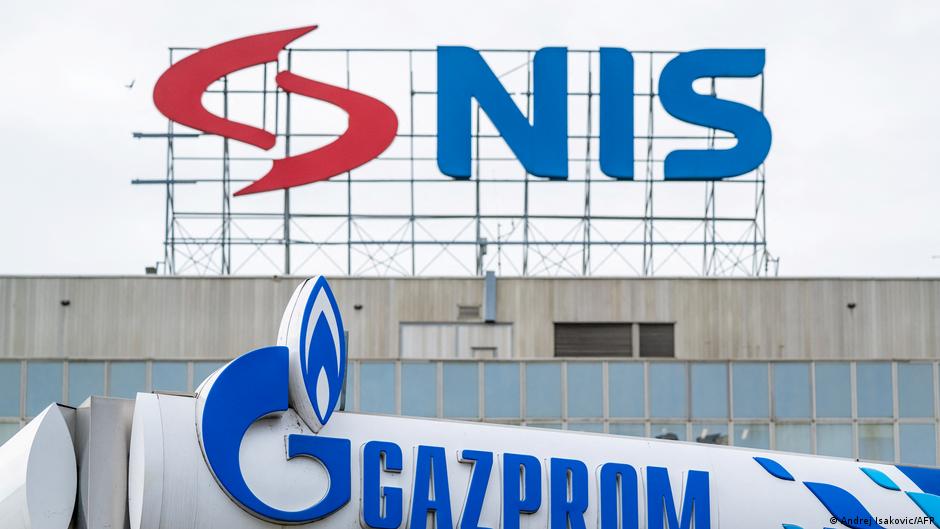
The United States has extended, for the third time, a temporary license allowing Serbian oil company Naftna Industrija Srbije (NIS) to operate despite US sanctions linked to its Russian ownership. The 30-day extension, granted as of June 30, 2026, enables NIS to continue its operations while the sale of Gazprom’s controlling stake remains unresolved.
US Sanctions Impact and Gazprom Stake Sale
In January 2025, NIS was added to the US sanctions list due to Gazprom’s significant ownership in the Serbian oil firm, with Gazprom holding a combined 56.2% stake through Gazprom Neft and its investment subsidiary. The sanctions stem from Washington's demand that Gazprom Neft and its related entities divest their holdings in NIS. The restrictions, enforced since October 2025, disrupted oil supplies via the Adriatic pipeline (JANAF) through Croatia and suspended refining operations at NIS’s Pančevo refinery.
To facilitate compliance, Hungary's largest oil and gas company, MOL, signed an agreement on January 19, 2026, to acquire Gazprom’s and Gazprom Neft’s stakes in NIS. The US Treasury Department’s Office of Foreign Assets Control (OFAC) initially set a May 22, 2026 deadline for the transaction’s completion but has since extended the deadline multiple times, reflecting the complexity of the deal and geopolitical tensions.
"The Pančevo refinery continues to process crude oil," confirmed Serbian Energy Minister Dubravka Đedović-Handanović, citing information from OFAC.
Despite the sanctions, NIS remains a critical energy supplier for Serbia, meeting approximately 80% of the country’s gasoline and diesel demand and over 90% of its jet fuel and heavy fuel oil needs. The Serbian government holds a 29.9% stake in the company, underscoring NIS’s strategic importance to the nation’s energy security.
Implications for Venture Capital and Regional Innovation Ecosystem
While NIS operates in the traditional energy sector, the ongoing sanctions and ownership transition highlight the complexities faced by companies with cross-border ownership in geopolitically sensitive regions. For venture capital and startups in Serbia and the broader Balkans, the scenario underscores a challenging investment climate shaped by international sanctions and energy dependencies.
Regional startups focusing on energy technology, supply chain resilience, and alternative fuels may find new opportunities in the wake of these developments. The protracted sale and continued operation of NIS under a temporary license also illustrate potential risks for foreign investors and startups reliant on Russian-linked entities.
As the deadline for Gazprom’s divestment approaches, the outcome could influence future mergers and acquisitions in the Serbian energy sector, potentially triggering shifts in capital flows and innovation priorities. Close monitoring of regulatory and geopolitical developments will be critical for venture capitalists and startups aiming to navigate this evolving landscape.