US House bill targeting Russian oil adds new risk for energy-tech startups
A bipartisan push to block Russian oil purchases could reshape energy markets, investor assumptions and startup strategies across the sector.
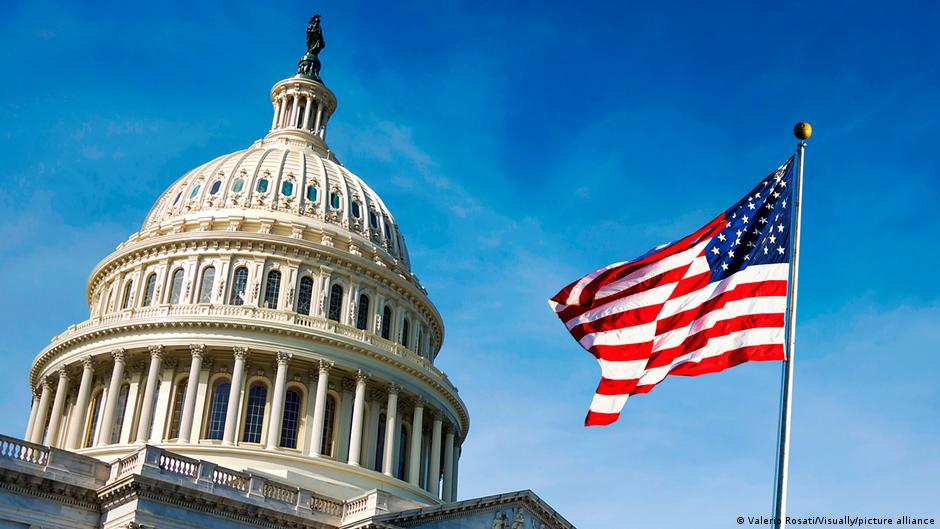
A bipartisan bill expected to be introduced in the US Congress would seek to ban any purchases of Russian oil, adding a fresh layer of policy risk for energy markets and the startups that build around them. Representative Brian Fitzpatrick, a Pennsylvania Republican, said on Saturday, October 10, on X that the measure would be aimed at prohibiting all purchases of Russian oil.
According to Fitzpatrick, the bill will be called the Ronald Reagan Peace Through Strength Act. The proposal is being positioned as a direct response to renewed political debate in Washington over Russian energy supplies, including criticism of President Donald Trump’s stated agreement involving Russian diesel fuel.
For venture-backed companies, the immediate issue is not only whether the bill becomes law. The larger signal is that energy policy tied to Russia remains volatile, partisan pressure can shift quickly, and regulatory decisions may affect pricing, procurement, supply chains and exit assumptions across climate tech, energy logistics, industrial software and fuel-adjacent infrastructure.
Congressional route could bypass leadership roadblocks
Fitzpatrick said the bill would be brought to the House floor through a discharge petition, a parliamentary procedure that allows rank-and-file lawmakers to force a vote by the full House even if a committee or the speaker is blocking consideration. To succeed, the petition requires the signatures of at least 218 lawmakers, an absolute majority of the chamber.
Fitzpatrick predicted that the legislation would pass by an overwhelming majority. That confidence matters for investors because a measure able to attract broad bipartisan support could move faster than many market participants expect, particularly if lawmakers frame it as a national security issue rather than a narrow energy-market intervention.
Fitzpatrick said the bill would be directed at “banning any purchases of Russian oil.”
Representative Don Bacon, a Nebraska Republican, has already said he will support the measure. Bacon also criticized Trump’s decision related to buying diesel fuel from Russia, underscoring that the issue may divide Republicans as well as draw support from both parties.
The legislative mechanics are significant for founders and investors. A discharge petition can change the usual timing assumptions in Washington, where bills often stall in committee or depend on leadership priorities. If supporters gather the required signatures, the legislation could reach a floor vote despite opposition from senior figures who might otherwise control the calendar.
Energy policy shock could affect startup financing
The bill comes after Trump said on October 9 that he had held “very successful” talks with Russian President Vladimir Putin. According to Trump, the talks produced an agreement on supplies of Russian diesel to the United States and the global market.
Putin officially confirmed the phone conversation with Trump and the arrangements. In a statement, the Russian president said that, while discussing the state of global energy, the Russian side confirmed its readiness to supply oil and petroleum products to the American and global markets. Putin said he was confident this would have a positive effect on the entire global economy.
That sequence creates a sharp contrast for companies watching the sector: one signal from the White House pointed toward expanded access to Russian diesel, while lawmakers are preparing a bipartisan attempt to block purchases of Russian oil. The result is a policy split that can complicate commercial planning for startups that sell into refineries, shipping, logistics, energy trading, grid operations, industrial procurement or compliance functions.
Venture investors typically assess energy startups against a mix of technology risk, market adoption, capital intensity and regulatory exposure. A fight over Russian oil and diesel adds another variable. If restrictions advance, companies offering supply-chain visibility, sanctions compliance software, fuel procurement analytics or alternative energy infrastructure could see stronger demand. At the same time, startups whose models assume stable access to lower-cost petroleum inputs may face pressure on margins and timelines.
M&A strategy could also be affected. Larger industrial and energy companies may look to acquire software or data platforms that help them respond to shifting import rules, trace energy sources or manage cross-border supplier risk. Conversely, acquirers may become more cautious about startups with revenue tied to counterparties or commodity flows exposed to future sanctions or import bans.
The innovation ecosystem around energy has already been shaped by geopolitical risk, including the need for resilient supply chains and domestic production capacity. A congressional ban on Russian oil purchases, if enacted, would reinforce that trend. Startups positioned around energy independence, alternative fuels, efficiency technologies and logistics transparency could find a more receptive policy environment, though not necessarily a simpler one.
For climate-tech and industrial-tech founders, the lesson is that regulatory intelligence is becoming part of product strategy. Customers may increasingly expect vendors to help them model not only emissions or fuel costs, but also geopolitical exposure and compliance risk. That could benefit startups able to convert messy policy developments into operational tools for corporate buyers.
The bill has not yet passed, and Fitzpatrick’s expectation of overwhelming support remains a political forecast rather than a completed result. Still, the proposed use of a discharge petition, Bacon’s stated support, and the public criticism of Trump’s Russian diesel decision suggest the debate may move quickly. For venture capital firms and startups, the watch points are clear: whether the petition reaches 218 signatures, how the bill defines prohibited purchases, and whether diesel, oil and petroleum products are treated separately or together in the final legislative text.
Until those details are known, the market impact remains uncertain. But the direction of travel is already relevant: US energy policy toward Russia is again becoming a live political risk, and startups operating near the energy stack will need to treat that risk as part of fundraising, customer acquisition and long-term strategic planning.