US Implements Permanent Visa Bond for Citizens of 50 Countries, Impacting Global Tech Mobility
The US State Department introduces a visa bond of up to $20,000 for citizens of 50 countries, including key emerging markets, affecting business and tourist visas.
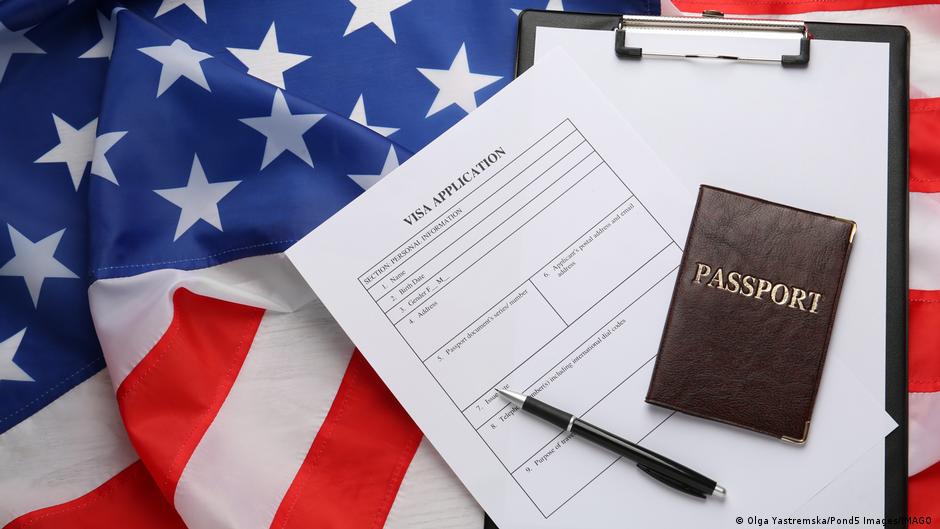
Starting August 3, the United States will implement a permanent visa bond program requiring citizens from 50 countries to pay a refundable deposit of up to $20,000 when applying for business (B-1) or tourist (B-2) visas. This policy follows a successful pilot phase and aims to reduce visa overstays and misuse among applicants from selected nations.
Details and Rationale Behind the Visa Bond
The US State Department announced the expansion of the visa bond program, which was previously tested on a limited basis with bond amounts ranging from $5,000 to $15,000 based on individual circumstances. The new permanent program removes the minimum bond requirement and increases the maximum bond to $20,000. Consular officers will determine the exact bond amount on a case-by-case basis.
Citizens from countries such as Georgia, Kyrgyzstan, Tajikistan, Turkmenistan, Algeria, Angola, Bangladesh, Cambodia, the Central African Republic, Mongolia, Nepal, Nicaragua, Tunisia, Uganda, Venezuela, Zimbabwe, and others from Africa, Southeast Asia, and Latin America are subject to this policy. Notably, Russia is excluded from the list.
The State Department explained that these countries were selected because their citizens tend to have a higher incidence of visa violations, including overstaying their permitted duration in the US. The bond acts as a financial incentive to comply with visa terms, with the deposit refunded if the visa holder departs the US on time or refrains from using the visa. The bond is forfeited if the individual violates the conditions of their stay.
"The bond program is designed to reduce visa misuse and improve compliance with US immigration laws," a spokesperson said.
Implications for Tech Startups, Venture Capital, and the Innovation Ecosystem
For the global technology and startup sectors, this policy introduces new complexities regarding talent mobility and cross-border business travel. Many emerging markets on the list, including Central Asia and Southeast Asia, have burgeoning tech ecosystems and startup communities that increasingly engage with the US market for investment, partnership, and expansion opportunities.
The increased financial barrier of up to $20,000 for visa applications may deter entrepreneurs, early-stage startup founders, and skilled professionals from these regions from traveling to the US, potentially slowing down deal-making, networking, and knowledge exchange. Venture capital firms that rely on in-person meetings and due diligence visits might face challenges facilitating face-to-face interactions.
Moreover, the data from the pilot program revealed a nearly 83% drop in visa issuance to affected countries, reflecting a significant contraction in mobility. Although the number of overstays dropped dramatically during the pilot, the financial and procedural hurdles could constrict flows of innovation talent and disrupt startup ecosystem linkages.
As globalization continues to drive the tech industry, visa policies like this one underscore the balancing act between immigration control and fostering international innovation collaboration. Startups and investors may need to adapt by leveraging virtual engagement tools or seeking alternative international hubs with more accessible travel policies.
While the US remains a leading destination for technology and entrepreneurship, these new visa bond requirements could reshape patterns of global startup collaboration and venture capital flow in the coming years.