US Intelligence Reveals Iran Retains Majority of Missile Capabilities Despite Claims
American intelligence reports indicate Iran has preserved around 70% of its pre-conflict missile arsenal, challenging official US government statements.
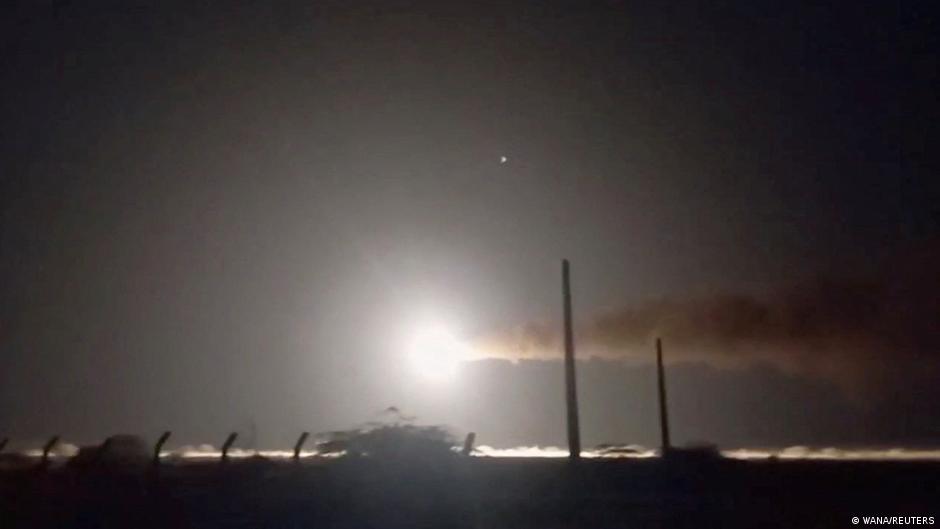
Recent US intelligence assessments reveal that Iran continues to maintain a substantial portion of its missile capabilities, contradicting public claims by US officials that Iran's military strength has been significantly degraded. According to data analyzed from multiple sources including satellite imagery, Iran currently controls approximately 70% of its mobile missile launchers and about 70% of its pre-conflict missile stockpile.
Implications for Regional Security and Military Resources
The missile arsenal in question comprises ballistic missiles capable of striking various targets across the region, alongside a smaller inventory of cruise missiles suitable for shorter-range land or maritime targets. Notably, 30 out of 33 missile complexes along the strategically important Strait of Hormuz have reportedly been restored to combat readiness. These complexes pose a credible threat to US naval forces and commercial oil tankers transiting the vital waterway.
"New intelligence data suggests that previous US assessments overstated the damage inflicted on Iran's missile infrastructure and underestimated Tehran's ability to rapidly recover its military capabilities."
The US military has also regained access to an estimated 90% of Iran’s underground missile storage sites and launch facilities, with many now assessed as partially or fully operational. Similar findings were reported last week by another major US publication, citing about 75% recovery of mobile launchers and 70% of the missile arsenal.
These revelations stand in stark contrast to public statements from former President Donald Trump and the US Secretary of Defense, who claimed Iran’s military potential had been "destroyed" or was no longer a threat. The intelligence community’s assessments suggest a more resilient Iranian defense posture than previously acknowledged.
Consequences for US Military Logistics and Defense Industry
US armed forces have already seen significant depletion of essential munitions, including Tomahawk cruise missiles, Patriot missile system rockets, and precision ground-launched munitions. Further strikes ordered against Iran risk exacerbating this depletion, stretching production capacities that are currently struggling to replenish these critical inventories.
This situation has raised concerns among NATO allies, especially those who have procured billions of dollars’ worth of US munitions to support Ukraine. These allies worry that their supply commitments may be compromised if US military operations require prioritization of replenishment for their own arsenals.
Despite these intelligence reports, White House spokespersons continue to assert that Iran’s military capabilities have been severely diminished and that Tehran is aware of its precarious situation. The Pentagon has reiterated it possesses all necessary resources to defend US interests and personnel.
Impact on the Tech Startup and Defense Innovation Ecosystem
These developments highlight critical pressures on the US defense supply chain and innovation ecosystem. With increased demand for advanced missile systems and precision munitions, defense technology startups and established contractors face both challenges and opportunities.
Startups developing cost-effective missile defense systems, enhanced targeting technologies, and rapid manufacturing solutions may see increased venture capital interest driven by urgent military needs. However, the strain on production capacity and supply logistics may also delay technology adoption and deployment.
Moreover, ongoing geopolitical tensions underscore the strategic importance of innovation in military technology, encouraging investors to support ventures focused on enhancing resilience and operational readiness in the defense sector.