US-Iran Negotiations Hinge on Strict Nuclear Terms, Impacting Tech and Investment Climate
Trump insists Iran must never acquire nuclear weapons as a condition for any agreement, with implications for global startup ecosystems and venture capital flows.
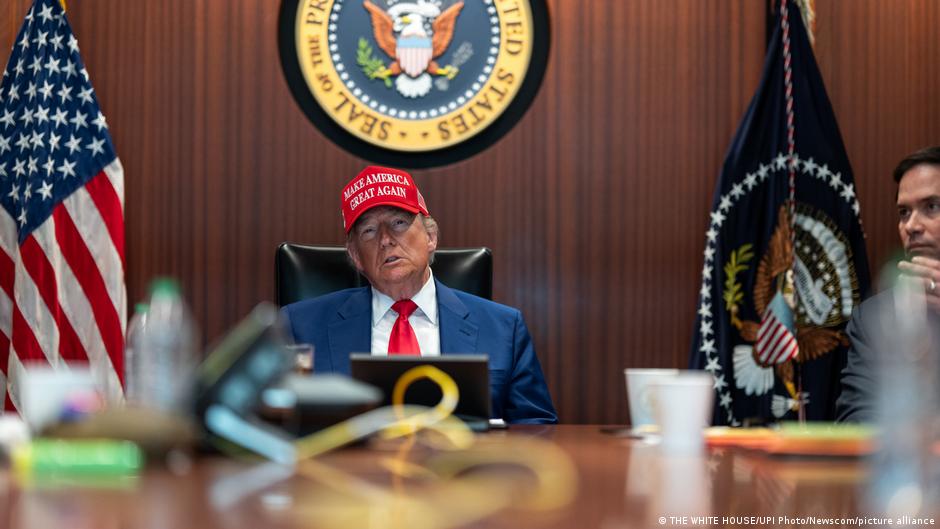
US President Donald Trump has set firm conditions for any potential agreement with Iran, emphasizing the need for Tehran to respect the United States' "red lines," particularly regarding nuclear weapons development. This stance, declared following high-level consultations at the White House, could significantly influence the broader geopolitical environment affecting technology startups, venture capital funding, and innovation ecosystems worldwide.
Implications for Tech Startups and Venture Capital
On May 30, after a two-hour strategic meeting in the White House Situation Room, a senior administration representative confirmed that President Trump will only endorse a deal that aligns with American interests and enforces his "red lines." The principal condition explicitly stated is that Iran must never possess nuclear weapons. While the negotiations are primarily political and security-focused, their outcomes have far-reaching consequences for the global technology and venture capital landscape.
"President Trump will only conclude an agreement that benefits America and respects its established 'red lines,'" the representative said.
Recent reports suggest that preliminary framework agreements have been reached between US and Iranian negotiators concerning the cessation of hostilities, but no final consensus is in place. Iran's Foreign Ministry spokesperson Esmail Baghai confirmed ongoing message exchanges but stressed that a definitive accord has yet to be attained.
The uncertainty surrounding these negotiations contributes to a volatile international climate, which can directly impact investor confidence and startup ecosystems, especially in regions reliant on cross-border technology collaboration and capital flows. Sanctions or escalated tensions may disrupt supply chains, limit access to funding, and prompt increased caution among venture capitalists looking to invest in emerging markets connected to or influenced by Iran's geopolitical position.
Moreover, technology startups in sectors such as cybersecurity, defense technologies, and energy could see both risks and opportunities emerge from the final terms of any US-Iran agreement. A stable resolution might unlock investment avenues, whereas prolonged discord could constrain innovation and cross-border partnerships.
As global venture capitalists monitor these developments closely, the evolving US-Iran relationship underscores how geopolitical strategies intersect with startup funding dynamics and the broader innovation ecosystem.