US-Iran Negotiations Restart May Affect Tech Startup Ecosystem and Regional Stability
New US-Iran talks starting August 3 could influence venture capital flows and innovation dynamics in the Middle East tech sector.
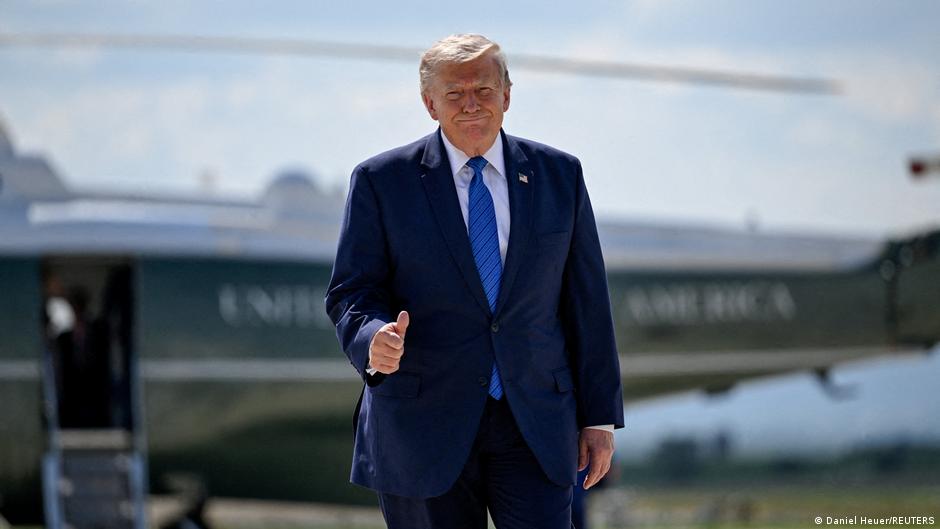
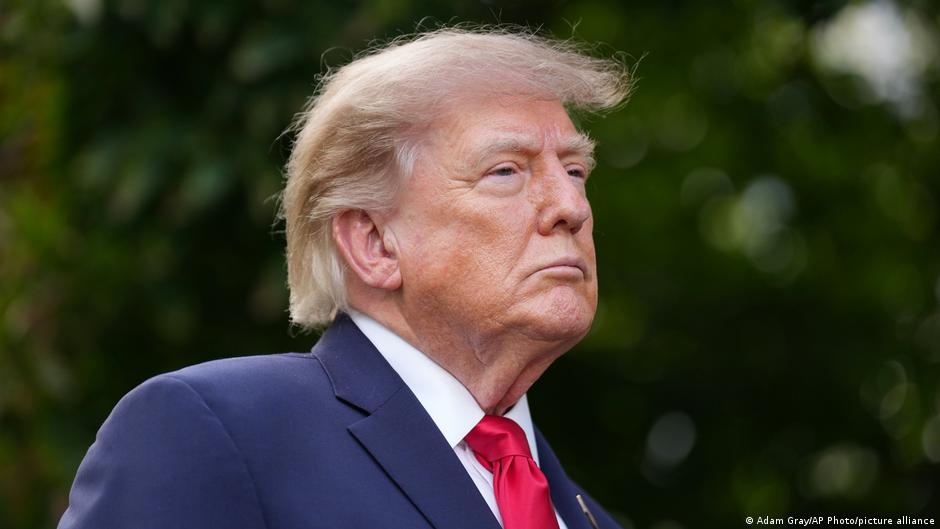
President Donald Trump announced a new phase of negotiations between Washington and Tehran set to begin on Monday, August 3. This diplomatic development follows a temporary postponement of planned military strikes against Iran, signaling a potential shift in US foreign policy that could indirectly impact venture capital and startup ecosystems in the Middle East.
Implications for Innovation and Venture Capital in the Middle East
Trump stated the White House decided to forgo additional strikes to provide a diplomatic opportunity, emphasizing that the agreement may encompass critical issues such as the Strait of Hormuz and Iran’s nuclear program. This move may stabilize a region that has traditionally faced geopolitical tensions, which in turn could encourage more robust investment flows into the Middle Eastern tech sector. Investors often view geopolitical stability as a prerequisite for risk-taking in emerging markets, particularly in sectors like technology startups.
"I would prefer to make a deal. I don’t like killing people," Trump noted, emphasizing the administration’s preference for diplomacy over conflict.
For startups and venture capitalists operating in or considering the Middle East, the easing of conflict threats could translate into greater confidence to expand operations or invest in innovation hubs, especially in countries adjacent to Iran that may benefit from increased stability.
Since June 2026, after the US and Iran signed a "memorandum of understanding" ceasing hostilities for 60 days, the region saw tentative peace efforts. However, intermittent US military actions, including a significant strike on July 30 targeting multiple Islamic Revolutionary Guard Corps (IRGC) sites, have kept tensions high. These military operations included attacks on command centers and missile launch facilities, some of which reportedly caused civilian casualties, affecting the humanitarian and economic environment in the region.
Regional stability is critical for the growth of startup ecosystems, especially in sectors reliant on cross-border collaboration and global investment such as tech innovation. If the new talks succeed, it could lead to a reduction in risk premiums applied by venture capital funds when evaluating Middle Eastern startups, potentially unlocking new capital and partnerships.
The announcement that the US and Israel postponed an attack on Iran at the behest of Iran and other Middle Eastern countries further highlights the complex geopolitical balancing act. Trump affirmed that the US had prepared for a show of military force unprecedented since World War II but chose to delay such actions for the "future good of the world" given that deal parameters have already been agreed upon.
For the evolving tech scene in the Middle East, which has seen rapid growth in recent years, such diplomatic progress could facilitate greater access to international markets, accelerate innovation through increased foreign direct investment, and enable startups to scale with reduced geopolitical risk.
In summary, while the direct impact of US-Iran negotiations is primarily geopolitical and security-focused, the indirect effects on the venture capital environment and startup innovation ecosystem in the region could be significant. Stability would likely uplift investor confidence, reduce operational risks for startups, and foster a more conducive environment for technological advancement and entrepreneurship across the Middle East.