US-Iran Talks at UN Signal Risk Shift for Startups and Investors
A rare mediated meeting in New York offered a tentative diplomatic opening after Trump warned Iran of possible destruction.
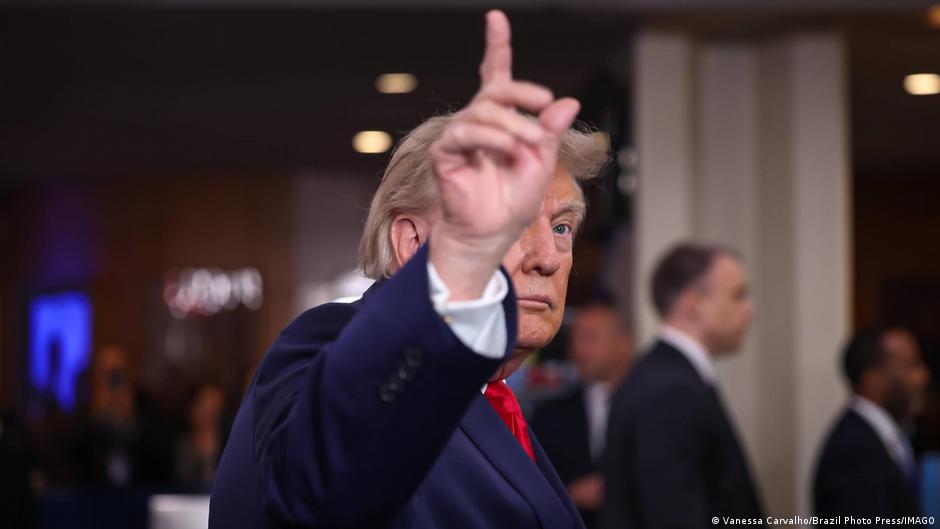
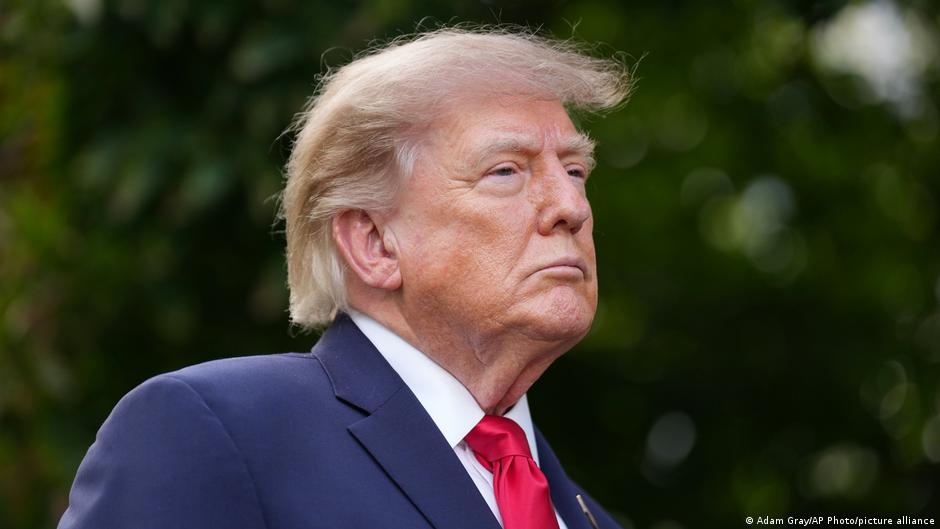
US and Iranian officials held their first known meeting in several months on the sidelines of the 81st session of the United Nations General Assembly in New York on Tuesday, September 22, in a development that could matter well beyond diplomacy. President Donald Trump said the indirect talks lasted about three hours and described them as “very productive,” even though earlier the same day he had threatened Iran with destruction in an address to world leaders.
For venture capital firms, technology startups and corporate development teams, the talks add a new variable to an already tense geopolitical backdrop. Iran’s relationship with the United States affects sanctions exposure, shipping routes, energy prices, defense technology demand and the risk models used by investors evaluating companies with supply chains, customers or data infrastructure connected to the Middle East. A diplomatic process, even an early and uncertain one, could reduce some of that volatility. A breakdown could sharpen it.
According to Trump, US and Iranian officials met in New York with mediators involved throughout the day. The American side was represented by Trump special envoys Steve Witkoff and Jared Kushner, while Iran was represented by Foreign Minister Abbas Araghchi. The meeting was mediated by Qatar and Pakistan, The New York Times reported.
“A round of discussions was successfully completed, which we hope will prove constructive and promising,” Witkoff later wrote on X, adding that mediators would continue their work.
The structure of the talks matters. The delegations did not appear to be presented as holding a direct bilateral negotiation. Instead, Witkoff said representatives shuttled between the parties throughout the day. That format may limit immediate expectations, but it also gives both governments political room to continue a process without publicly conceding too much too soon.
Why Investors Are Watching the Diplomatic Channel
The immediate subject of the talks, according to Iranian state media, included Tehran’s conditions for resuming shipping through the Strait of Hormuz. Those conditions reportedly included an immediate end to a US maritime blockade, the unfreezing of all Iranian assets frozen because of sanctions, and the cessation of any military action.
The Strait of Hormuz is not only a security flashpoint. It is a major channel for global energy flows, and disruptions there can quickly reach the balance sheets of startups far from the Gulf. Higher energy costs can affect cloud infrastructure, logistics-heavy marketplaces, hardware manufacturers, data centers, electric-vehicle supply chains and industrial automation companies. Even software firms can feel the effects through customer budgets and investor sentiment when macroeconomic risk rises.
For venture-backed companies, the largest impact may come through financing conditions. Geopolitical shocks tend to push investors toward caution, lengthen diligence cycles and make later-stage capital more selective. A credible diplomatic track between Washington and Tehran could improve risk appetite at the margin, especially for startups tied to energy transition, defense technology, maritime intelligence, cybersecurity, supply chain software and regional fintech. But the opposite is also true: if talks fail after public threats, investors may reprice exposure to the Middle East and adjacent markets.
The meeting also lands at a time when M&A strategy across the technology sector is increasingly shaped by national security concerns. Buyers of startups in artificial intelligence, chips, dual-use software, cybersecurity and satellite analytics already face heightened scrutiny when assets have possible connections to sanctioned markets or sensitive regions. Any shift in US-Iran relations can alter compliance assumptions and affect how acquirers model regulatory risk.
Trump, speaking during a meeting with leaders of Gulf countries on the sidelines of the General Assembly, said there was “great momentum” toward reaching an agreement with Iran, AFP reported. That remark contrasted sharply with his earlier speech before heads of state and government at the UN, where he warned that Iran faced a stark choice.
In that address, Trump said he stood before an important decision: whether there would be an agreement with Iran allowing it to recover and become a much more powerful state, or whether he would destroy the Islamic Republic quickly so that it would never again have a chance to kill people and destroy countries. AFP reported that the Iranian delegation left the hall during Trump’s speech.
Sanctions, Shipping and Startup Exposure
The Iranian conditions reported by state media underscore the practical issues any negotiation would have to confront. The unfreezing of sanctioned assets would be a major policy step, while the demand to end military action and a maritime blockade goes directly to security arrangements in the Gulf. For the innovation economy, those issues connect to sanctions compliance, cross-border payments, insurance costs, freight routing and the business environment for regional partners.
Startups rarely have the lobbying power or balance-sheet resilience of large multinationals. They are often more vulnerable to sudden changes in export controls, banking restrictions and customer access. A software company selling compliance tools, for example, may see demand rise during uncertainty, while a hardware startup dependent on global components may face delays and cost pressure if shipping risk increases. Venture funds with portfolio companies in the Gulf or with customers in energy, logistics and defense will be watching for signs that the talks move from symbolic contact to substantive negotiation.
The reported involvement of Qatar and Pakistan also points to the role of middle powers in reducing geopolitical risk. Qatar has often positioned itself as a mediator in regional crises, while Pakistan’s involvement reflects the broader regional stakes of any US-Iran confrontation. For startups building in emerging markets, such mediation can be more than diplomatic theater; it can influence whether investors view a region as investable, whether multinational customers continue procurement processes, and whether strategic buyers remain willing to close deals.
Still, the market signal remains mixed. Trump’s description of the three-hour meeting as very productive suggests a diplomatic channel is open. Witkoff’s statement that mediators will continue their work suggests the process did not end with Tuesday’s round. But the president’s threats earlier that day, Iran’s reported walkout from the UN hall, and Tehran’s stated conditions show how wide the gap remains.
For now, venture investors and founders should treat the talks as an early indicator rather than a resolution. The potential upside is a reduction in geopolitical risk around sanctions, shipping and energy markets. The downside is that failed diplomacy could harden positions and accelerate instability. In an innovation ecosystem increasingly shaped by geopolitics, even a mediated conversation on the sidelines of the UN can move risk calculations across startup financing, M&A and strategic planning.