US-Iran Uranium Stockpile Dispute Raises Geopolitical Risks for Tech Innovation Ecosystem
Trump's call for destruction or US transfer of Iran's enriched uranium adds uncertainty impacting global tech startups and venture capital flows.
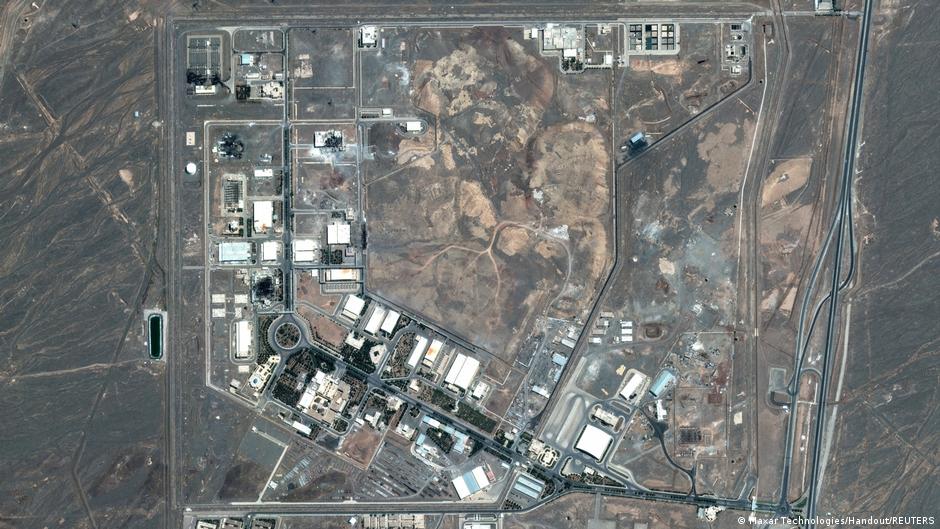
Former US President Donald Trump intensified geopolitical tensions by stating that Iran's enriched uranium stockpiles would either be transferred to the United States for destruction or destroyed in Iran under International Atomic Energy Agency (IAEA) supervision. This announcement, delivered via his Truth Social channel on May 25, 2024, underscores ongoing instability in the Middle East that is creating ripple effects across the global innovation and venture capital ecosystem.
Geopolitical Uncertainty and Its Impact on Tech Startups and Venture Capital
The confrontation over Iran's nuclear capabilities—specifically its possession of more than 440 kilograms of uranium enriched up to 60%—has raised concerns beyond traditional security circles. As this uranium can potentially be further enriched to weapons-grade levels (90%), the risk of escalation threatens to destabilize a region pivotal for global technology supply chains and capital flows.
Tech startups and venture capital investors globally remain highly sensitive to geopolitical risks. Heightened conflict or sanctions can disrupt supply chains, limit market access, and increase operating costs. Middle Eastern tech hubs, emerging startup ecosystems, and international investors are particularly vulnerable amid such uncertainties, which can stall innovation and delay funding rounds.
"The destruction or forced transfer of Iran’s uranium could spark broader geopolitical fallout, impacting emerging tech ecosystems dependent on regional stability and investor confidence."
Trump's framing of enriched uranium as “nuclear dust” and references to prior US attacks on Iran's nuclear infrastructure amplify fears of military confrontation. The prospect of war—cited by Trump as a justification for ongoing US and Israeli operations since February 28—could result in sanctions or restricted economic activity that hamper technology development and cross-border investments.
While Iran denies any intent to develop nuclear weapons, insisting its program is peaceful, ambiguity remains in global markets. Tehran's warnings about further uranium enrichment if attacked add to the volatility. Officially, Iran has not confirmed any agreements to transfer uranium stockpiles to the US or other nations.
For startups focusing on advanced technologies, especially those linked to energy, defense, or materials science, this geopolitical instability presents risks in accessing raw materials and global partnerships. Venture capitalists, meanwhile, may adopt a more cautious stance toward investments in or reliant on firms exposed to these regions.
In summary, Trump's statement on Iran's uranium reserves heightens geopolitical risks with far-reaching consequences on the global tech innovation ecosystem. Stakeholders across venture capital, startup development, and technology markets must navigate this evolving landscape carefully to mitigate disruption and sustain growth.