US-Israel Tensions Over Lebanon Strikes Highlight Regional Risks for Tech Startups
Trump’s sharp rebuke of Netanyahu amid Lebanon conflict raises concerns over Middle East stability impacting innovation and venture capital flows.
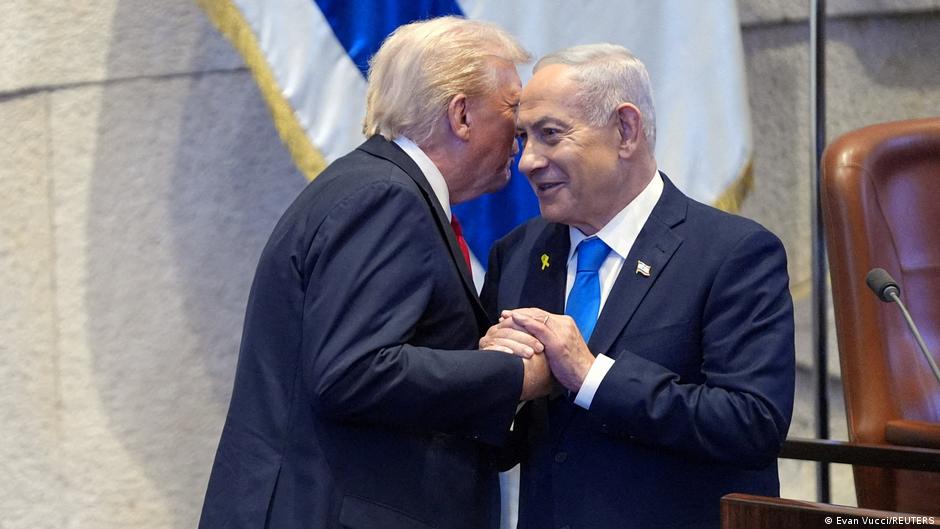
Recent military strikes by the Israeli Defense Forces (IDF) on Beirut have sparked a severe reaction from former U.S. President Donald Trump towards Israeli Prime Minister Benjamin Netanyahu, underscoring growing tensions in the Middle East. These developments pose significant implications for the tech startup ecosystem, venture capital investment, and the broader innovation landscape in the region.
Geopolitical Instability and Its Effect on Venture Capital
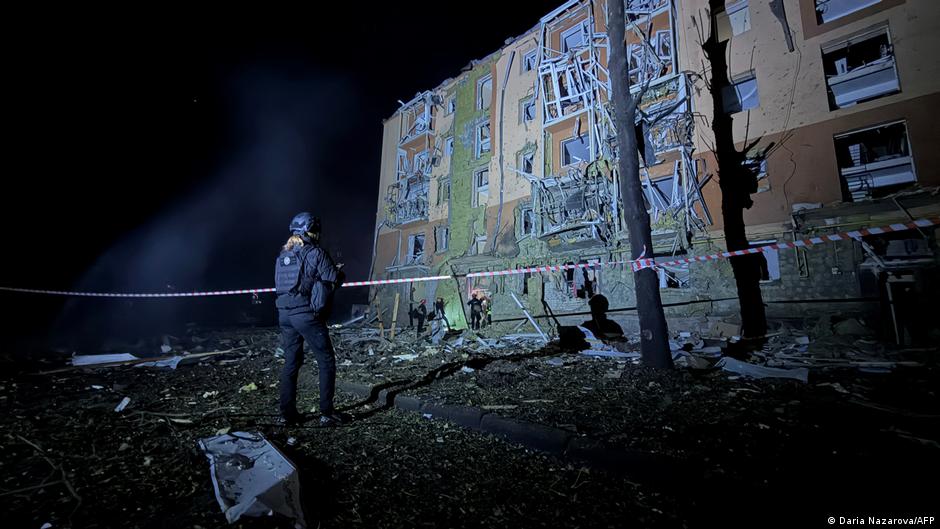
According to reports, Trump harshly criticized Netanyahu in a phone call, describing the Israeli leader as "crazy" for disrupting a fragile ceasefire. The disruption followed Netanyahu’s order to strike southern suburbs of Beirut, citing escalations linked to Hezbollah, the Iranian-backed Islamist group. These strikes have not only intensified the conflict but also increased civilian casualties and destruction of residential areas, raising international concerns.
"Netanyahu’s actions have led to widespread condemnation and risk further isolating Israel on the global stage," Trump reportedly stated during the call.
For venture capitalists and startups, the ongoing instability threatens to undermine investor confidence in the region. The Middle East, particularly hubs like Tel Aviv and Beirut, has seen burgeoning tech sectors with growing VC interest. However, military escalations and political uncertainty can lead to capital flight, delayed funding rounds, and cautious M&A activity.
Furthermore, Trump emphasized that his administration had helped Netanyahu avoid prison on corruption charges, suggesting complex political dynamics affecting leadership stability. Such unpredictability can hamper long-term innovation strategies and the establishment of sustainable startup ecosystems.
Impact on Technology Innovation and M&A Activity
The conflict also indirectly influences cross-border technology collaboration and startup exits. Israeli ground operations in Lebanon have escalated after Hezbollah’s missile strikes on northern Israel. This tit-for-tat conflict disrupts regional cooperation frameworks and may stall joint innovation initiatives, which are critical for scaling tech ventures.
Additionally, Iran’s announcement of suspending talks with Washington, mediated by third parties, adds another layer of geopolitical friction. Iranian-aligned agencies claim Lebanon is a condition for peace, yet active hostilities continue. This complicates the geopolitical landscape, potentially delaying deals and partnerships that rely on regional stability.
Despite these challenges, Trump stated via social media that negotiations between the U.S., Israel, and Lebanon have resumed rapidly following his intervention to broker a halt to mutual attacks. This development could pave the way for renewed investor confidence and a more stable environment for innovation.
As the Middle East navigates these turbulent events, tech startups and venture capital investors must closely monitor geopolitical shifts. Strategic risk management and adaptive investment approaches will be essential to sustain growth and capitalize on emerging opportunities amid ongoing uncertainty.