US Military Strike on Vessel Bound for Iran Highlights Geopolitical Risks for Tech Startups
US forces intercept and disable a ship en route to Iran amid ongoing tensions, underscoring regional instability affecting startup ecosystems and venture investments.
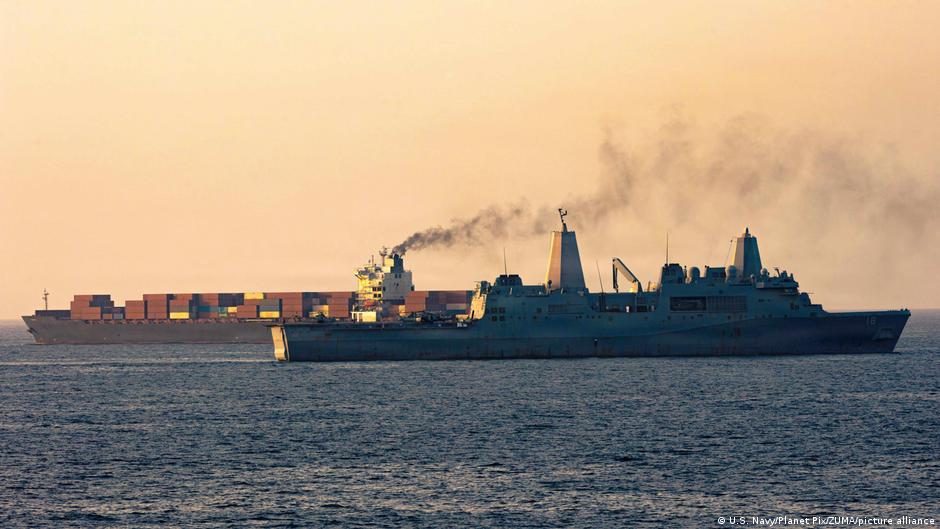
In a recent military action, a US warplane launched a missile at a commercial vessel flying the Gambian flag, which was heading towards an Iranian port in the strategically critical Gulf of Oman. According to the US Central Command (CENTCOM), the ship, named Lian Star, ignored over 20 warnings about violating the US naval blockade of the Strait of Hormuz, a vital international shipping corridor.
The missile strike, which targeted the ship's engine compartment with a Hellfire rocket, effectively disabled the vessel and halted its approach to Iran. CENTCOM stated that since the imposition of the blockade in April amid a fragile truce between Washington and Tehran, US forces have disabled five commercial ships and redirected 116 others bound for Iranian ports.
Implications for Venture Capital and Tech Innovation
While the confrontation may appear focused on military and geopolitical dimensions, such escalations impact global supply chains and the broader innovation ecosystem, especially in regions and sectors dependent on stable trade routes and international cooperation.
Startups and venture capital firms operating in Middle Eastern markets or relying on critical infrastructure and technology imports face increased uncertainty due to these maritime security risks. The Strait of Hormuz is a key artery for global energy supplies and trade, meaning disruptions can cascade into higher operational costs and supply chain delays.
"Geopolitical instability in the Gulf region poses significant challenges for emerging tech ecosystems that depend on secure logistics and investment flows," said an industry analyst.
Moreover, the recent missile strike follows an Iranian missile attack on a US airbase in Kuwait, resulting in minor injuries and the destruction of two US MQ-9 Reaper drones valued at approximately $30 million each. These retaliatory military actions escalate tension, complicating the prospects for diplomatic resolutions and increasing the risk profile for investors.
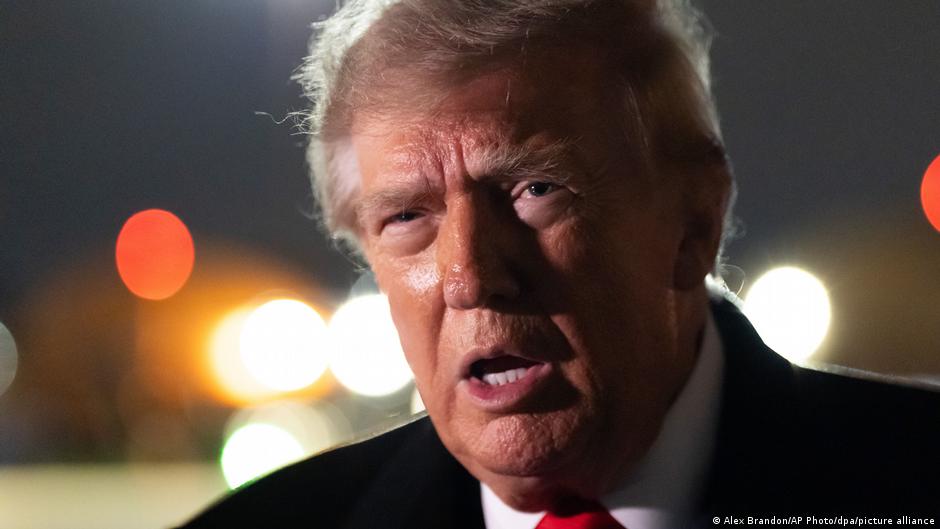
Despite tentative progress reported in preliminary talks between US and Iranian negotiators aimed at ending hostilities, US President Donald Trump has yet to approve any framework agreement, insisting on fundamental concessions from Iran, including the abandonment of nuclear weapons ambitions.
The ongoing conflict and blockade measures may hinder regional startup growth by limiting market access and increasing political risk premiums, potentially deterring venture capital inflows. Tech entrepreneurs and investors must navigate this volatile environment carefully, balancing opportunity against security concerns.