US Military Strikes Cargo Ship Attempting to Breach Iranian Blockade in Strategic Strait
US forces disabled the steering of a Panama-flagged container ship amid intensifying control over the Strait of Hormuz.
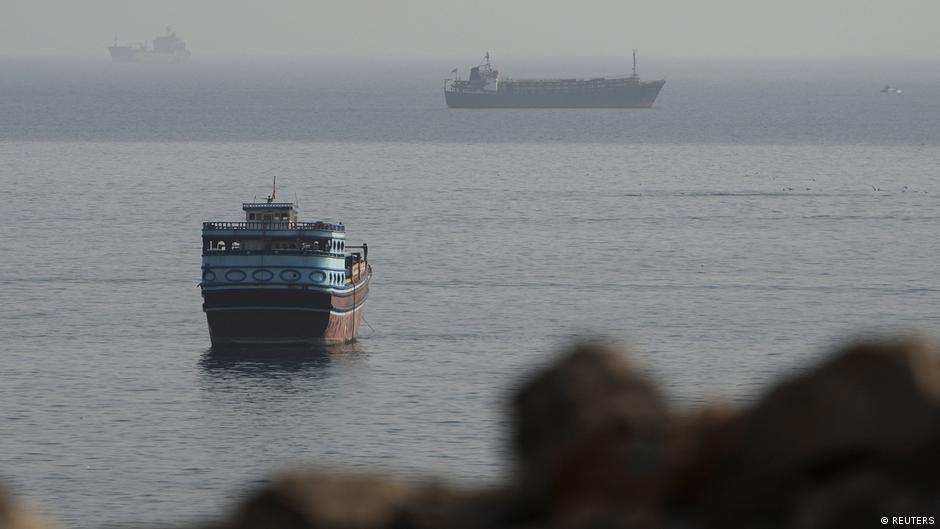
The United States military targeted a Panama-flagged cargo vessel attempting to breach the American blockade of Iran by striking its steering system with missile fire, escalating tensions in one of the world’s most critical maritime chokepoints.
On August 11, the US Central Command (CENTCOM) announced that the container ship M/V Vela Nova tried to enter an undisclosed Iranian port through the Gulf of Oman, defying warnings issued by US forces. In response, a US Navy MH-60 helicopter launched two Hellfire missiles at the ship’s engine compartment, rendering its steering inoperative.
Impact on Maritime Security and Geopolitical Stability
According to CENTCOM reports, as of August 11, US forces have redirected 55 commercial vessels attempting to bypass the blockade, disabled three ships, and boarded two others. The move underscores Washington’s firm stance on controlling the Strait of Hormuz, a vital artery through which roughly 20% of the world’s petroleum passes.
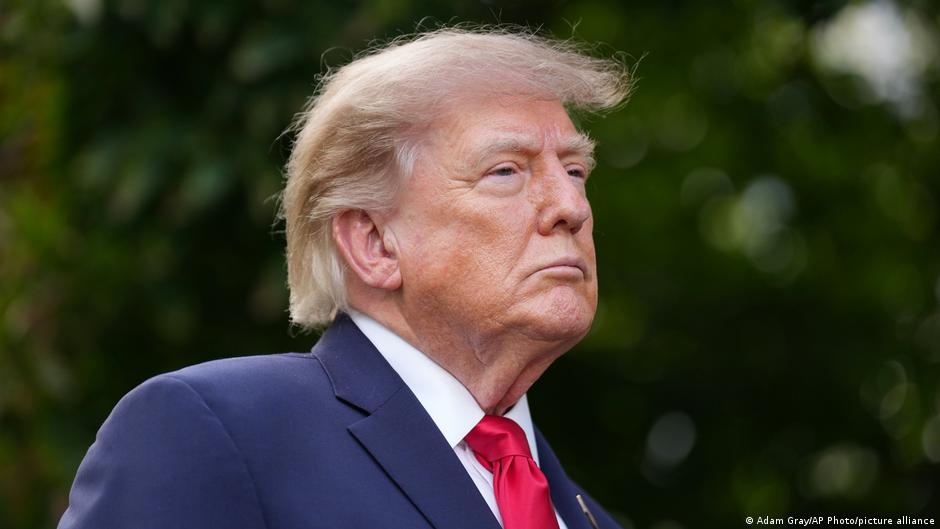
US President Donald Trump emphasized American dominance over the strait, stating, "Things with Iran are going really well. We fully control the Strait of Hormuz." He further warned that any aggressive moves by Iran would be met with decisive force.
"If the Iranians do anything, they will be hit," Trump declared, signaling continued US readiness to enforce maritime security through military means.
Meanwhile, Iran has proposed new conditions for reopening the strait to commercial shipping, including compensation claims related to past conflicts and lifting of US sanctions—demands that have yet to be met.
Implications for Tech Startups and Venture Capital in the Region
The escalating conflict in the Strait of Hormuz presents significant uncertainties for tech startups and venture capitalists operating in or looking toward the Middle Eastern region. The maritime blockade and military enforcement efforts contribute to geopolitical instability that can disrupt supply chains, increase shipping costs, and create volatility in energy prices.
For startups, especially those in logistics tech, maritime navigation software, and energy innovations, the heightened risk environment could either stifle investment or drive demand for solutions that mitigate geopolitical risks. Venture capital firms might reassess risk profiles or seek to back technologies focused on alternative energy sources, maritime security, and supply chain resilience.
Moreover, the US assertion of control over the Strait of Hormuz emphasizes the strategic importance of securing critical infrastructure routes, potentially encouraging innovation in satellite-based tracking, real-time maritime analytics, and autonomous shipping technologies.
As the standoff continues, investors and startups alike will need to carefully monitor how the geopolitical landscape evolves, recognizing that maritime security dynamics are increasingly intertwined with technology and innovation ecosystems that rely on stable trade flows.