US Military Strikes Iranian Military Infrastructure Amid Rising Tensions in Strait of Hormuz
US airstrikes target Iranian surveillance and communication systems in response to attacks on commercial tankers, escalating regional security risks.
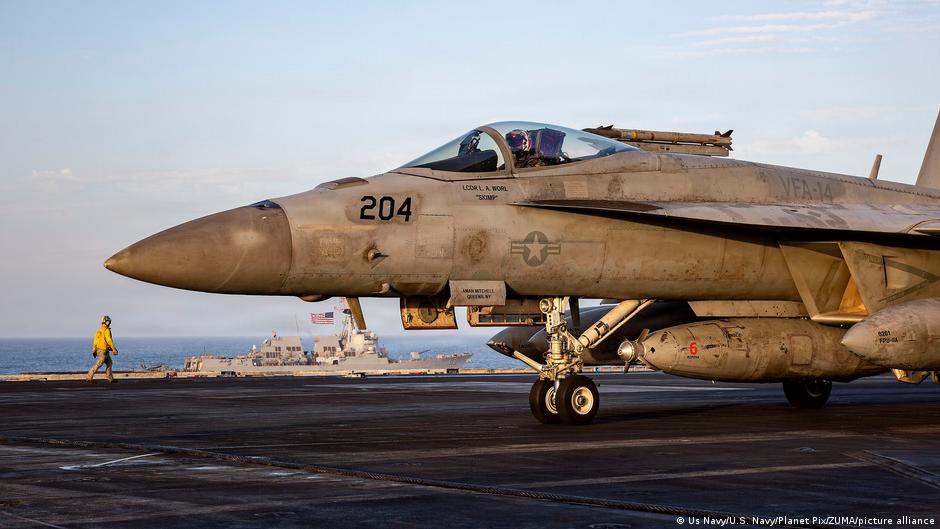
On June 27, US military forces launched airstrikes targeting Iranian military infrastructure, including surveillance installations, communication networks, air defense systems, drone storage facilities, and mining equipment. The operation was a direct response to Iran's recent aggression against peaceful commercial shipping in the strategic Strait of Hormuz.
Escalation in the Strait of Hormuz Raises Security Concerns
The Central Command of the US Armed Forces (CENTCOM) stated that following an earlier Iranian attack on the tanker Ever Lovely, the United States had provided Iran the opportunity to comply with a ceasefire agreement. However, Iran proceeded to deploy a kamikaze drone striking the Panamanian-flagged tanker Kiku on June 27 at 4:30 a.m. ET (11:30 a.m. Moscow time). The tanker was transporting over two million barrels of crude oil near the Strait of Hormuz, a critical chokepoint for global energy supplies.
"The passage of commercial vessels through the Strait of Hormuz continues, and US forces remain vigilant, prepared, and ready to use force," CENTCOM affirmed on social media.
This escalation reveals heightened risks to maritime security and underscores ongoing challenges to regional stability that could impact international trade and energy markets.
Regional Reactions and Broader Geopolitical Implications
Following the US strikes, air defense systems in Kuwait intercepted missile and drone attacks, signaling the broader regional impact of the conflict. Bahrain reported explosions and activated air raid sirens, urging citizens to seek safety. The Islamic Revolutionary Guard Corps (IRGC) of Iran claimed responsibility for attacks against Kuwaiti and Bahraini targets, framing them as retaliatory strikes against US military assets in the Middle East.
These developments follow a June 17 framework agreement between the US and Iran intended to halt hostilities and ensure safe passage through the Strait. However, Iran’s recent actions, including restricting safe navigation to Iranian-controlled routes, reflect a breakdown in this agreement and intensify uncertainty.
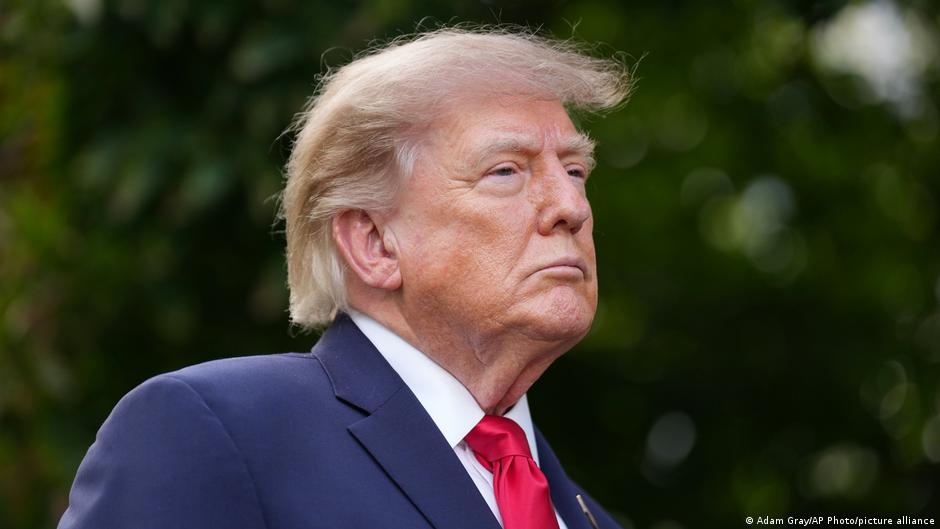
President Donald Trump confirmed the US strikes, warning that continued Iranian aggression might force a decisive military conclusion to the conflict. His statement underscored the potential for further escalation with severe geopolitical ramifications.
Implications for Tech Startups and Venture Capital Ecosystem
This flare-up in US-Iran tensions, particularly around the Strait of Hormuz—a vital artery for global oil shipments—has immediate and longer-term implications for the technology and venture capital sectors. Increased regional instability tends to elevate energy prices and market volatility, influencing technology startups' operational costs, especially those reliant on international supply chains or energy-intensive processes.
Moreover, heightened geopolitical risks can shift investor sentiment, potentially leading venture capitalists to adopt more cautious stances on emerging markets in the Middle East or on startups dealing with logistics, maritime security technologies, and energy innovation. Conversely, these tensions may accelerate investment in technologies focused on defense, cybersecurity, autonomous maritime drones, and alternative energy sources as companies seek to mitigate risk and adapt to a volatile environment.
As one industry analyst noted, "The intersection of geopolitical conflict and technological innovation creates both challenges and opportunities for startups focused on security and energy sectors."
In the current environment, startups and investors must closely monitor geopolitical developments and assess their strategic impact on innovation ecosystems and funding landscapes.