US Removes Syria from Terror Sponsor List, Opening Doors for Tech Investment and Innovation
Washington’s decision to delist Syria marks a shift toward economic normalization, potentially unlocking new opportunities for startups and venture funding.
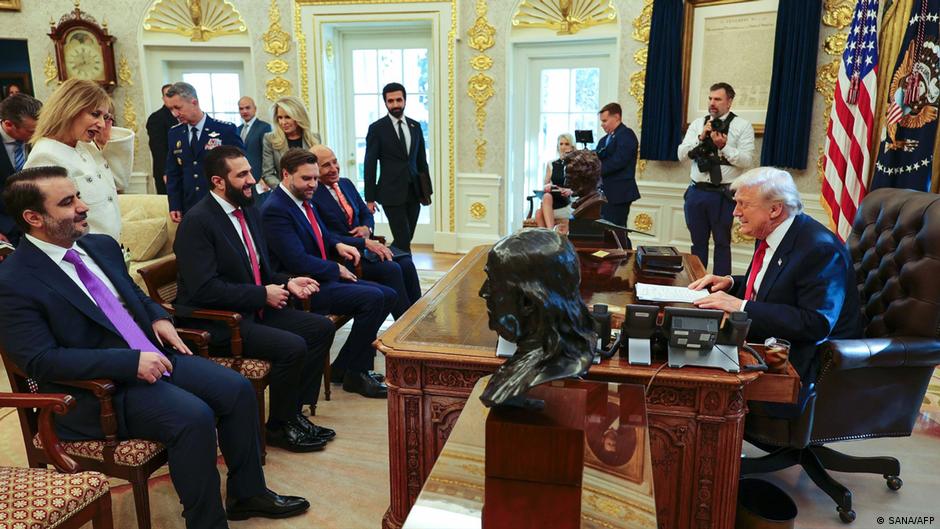
The United States has officially removed Syria from its list of state sponsors of terrorism, a designation that had been in place for nearly five decades. This move signals a significant policy shift by the Trump administration aimed at normalizing relations with Damascus and encouraging economic reintegration.
Implications for Tech Startups and the Innovation Ecosystem
The US Department of the Treasury announced the delisting on August 24, lifting sanctions not only on the Syrian government but also on the group Hayat Tahrir al-Sham (HTS), which emerged as a dominant power following the overthrow of Bashar al-Assad’s regime. Scott Bessent, head of the Treasury, emphasized that these actions are designed to "create new investment opportunities in Syria to strengthen political and economic stability."
For the startup and venture capital communities, this development could herald a new frontier. Syria’s exclusion from the terror sponsor list removes a major regulatory barrier, making it legally feasible for international investors to explore opportunities in the country’s nascent tech ecosystem. Although Syria’s political landscape remains complex, the easing of sanctions could stimulate inflows of capital, technology, and know-how—key ingredients for fostering innovation and entrepreneurship.
"This step opens an important and long-awaited opportunity for deeper integration of Syria into the global economic and financial system, attracting investments and modern technologies," said Syria's interim finance minister Mohammed Barniya.
Since the regime change in late 2024, the transitional government led by Hayat Tahrir al-Sham—with interim president Ahmed al-Sharaa—has sought to engage with Western nations, including Germany and the US. In June 2025, the Trump administration lifted most previously imposed sanctions, paving the way for this more comprehensive policy adjustment.
Syrian Foreign Minister Asad al-Shaibani described the removal from the list as a "crucial milestone" and pledged ongoing efforts to overcome isolation by fostering a transparent environment based on mutual interests and respect. US Special Envoy Tom Barrack called it a "decisive step from isolation to partnership and from a terrorism source to an active partner in the global fight against terrorism."
However, challenges remain. Syrian relations with neighboring Israel are strained, with recent Israeli airstrikes targeting northern Syrian airfields, despite ongoing negotiations with Jordan aimed at reducing regional tensions. Israel’s concerns include preventing increased Turkish military presence in Syria and maintaining control over the Golan Heights, a territory internationally recognized as occupied.
For venture capitalists and startups, the evolving geopolitical environment underscores both opportunity and risk. While sanctions relief may unlock market access and funding channels, unresolved regional conflicts and security concerns continue to pose challenges for sustained economic growth and stable investment climates.
As Syria embarks on reintegration into the world economy, the technology and innovation sectors may emerge as pivotal drivers of growth. International investors and tech incubators monitoring emerging markets should take note of this geopolitical pivot and consider Syria’s potential as a frontier for innovation-enabled development.