US Secretly Assists 70 Commercial Ships Through Strait of Hormuz Amid Rising Tensions
US Central Command covertly aids commercial vessels navigating the Iran-blocked Strait of Hormuz, impacting regional maritime logistics and trade routes.
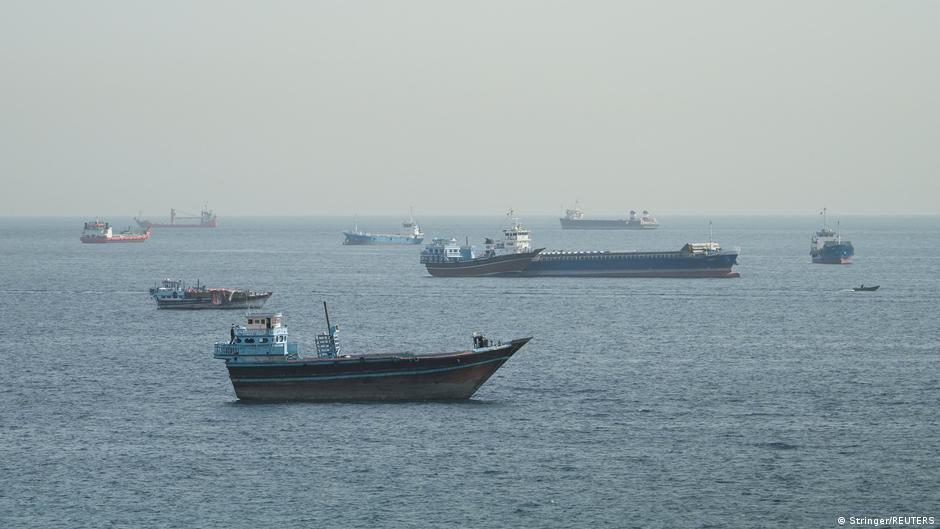
Over the past three weeks, the United States Central Command (CENTCOM) has covertly assisted approximately 70 commercial vessels in navigating the Strait of Hormuz, which has been effectively blocked by Iran. This critical maritime passage is a strategic chokepoint for global oil and trade flows, and the US involvement underscores escalating geopolitical tensions in the region.
According to informed sources, many of these ships operated with their transponders switched off, a tactic used to evade detection and avoid hostile engagements. US officials declined to disclose specific times and routes of the passages but noted that at least one operation occurred far from the Iranian coast to minimize the risk of attacks from Tehran. Such assaults are considered "almost guaranteed" if vessels attempt to traverse the strait near Iranian territorial waters without authorization.
Strategic Implications for Maritime Commerce and Security
Before the outbreak of hostilities on February 28 between Washington and Tehran, over 100 commercial vessels routinely crossed the strait daily. Current figures from CENTCOM suggest this number has plummeted to roughly three ships per day, reflecting a significant disruption to regional maritime commerce. The US assistance, while limited in scale, facilitates critical supply chains and helps maintain some flow of goods through the contested waterway.
Although the maritime community is broadly aware of US support to vessels navigating the Strait of Hormuz, Washington has intentionally kept these operations under the radar to prevent Iranian retaliatory attacks on commercial ships.
"The US refrains from openly advertising its assistance to avoid provoking Iranian attacks on merchant vessels," noted a source familiar with the operations.
Earlier in May, President Donald Trump paused the announced "Freedom Project," an initiative designed to provide overt support for ships passing through the strait. Subsequently, CENTCOM has encouraged passage but stopped short of offering naval escorts, signaling a cautious approach that balances support with risk management.
Data from maritime analytics firm Kpler reveal that from March 1 to May 19, out of 895 recorded passages through the strait, just over half occurred along routes coordinated with Iranian authorities. Approximately 40% of vessels chose "dark" or "unknown" routes with transponders off, illustrating a complex interplay between compliance and evasion in navigating this volatile corridor.
The blockade of the Strait of Hormuz has been ongoing since April, with Tehran demanding that shipowners at least coordinate their passage, while Washington forbids tankers from entering Iranian ports. This stalemate has significantly disrupted the regional supply chain, directly affecting energy markets and shipping logistics.
Recent reports from US news outlet Axios indicate that negotiators from both countries have tentatively agreed on a framework to end the conflict. However, President Trump has yet to endorse any agreement, conditioning support on fundamental demands, including Iran’s abandonment of nuclear weapons development plans. Meanwhile, Iranian leadership asserts that no final accord to end hostilities has been reached.
The ongoing uncertainty around the Strait of Hormuz continues to impact not only global energy markets but also the wider innovation ecosystem, as startups and venture capitalists in maritime technology and logistics monitor these geopolitical developments. Ensuring safe and reliable passage through this critical chokepoint holds implications for supply chain resilience, autonomous shipping technologies, and investment flows into regional infrastructure.