US Senate Advances 'Graham Sanctions' Bill Targeting Russia with Economic Tariffs
New sanctions legislation empowering US president to impose tariffs on Russia and its trading partners moves closer to final vote in the Senate.
The US Senate has taken a significant step forward in advancing a legislative proposal that would impose strict new sanctions on Russia and Iran, potentially reshaping the economic landscape for tech startups and investors connected to these markets. The bill, originally co-authored by the late Senator Lindsey Graham, was approved for further consideration by a substantial majority of 86 senators, signaling strong bipartisan support.
Bipartisan Momentum and Political Context
The procedural vote took place on the evening of July 28, with only 12 senators opposing the measure. This bipartisan backing underscores the US government's continued commitment to applying economic pressure on Russia amid ongoing geopolitical tensions. The legislation grants the US president authority to impose punitive tariffs of up to 500% on Russian imports and 100% tariffs on imports from countries that assist Russia in circumventing existing sanctions, particularly regarding oil, uranium, and natural gas.
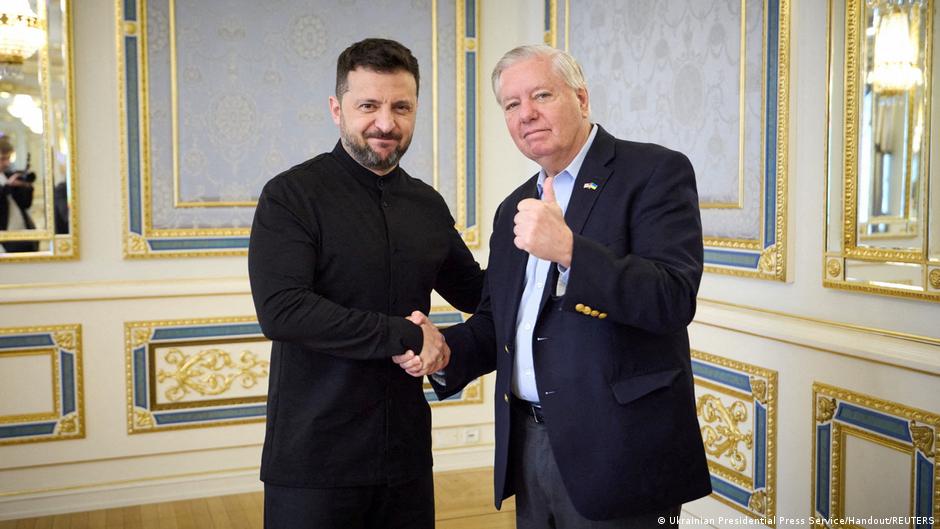
"It was an honor to witness the vote count—86 senators supported the bill. This is the first step toward realizing Lindsey's plans and certainly a step toward peace," said Ukrainian President Volodymyr Zelensky, who was present during the vote.
President Zelensky's presence in Washington and his meetings with both US political leaders and senators from both parties highlight the close coordination between Ukraine and the US on sanction policies and defense cooperation, including discussions around anti-ballistic defense systems.
Implications for Tech Startups and the Innovation Ecosystem
The sanctions bill could have far-reaching consequences for the technology sector and venture capital investment landscapes. By empowering the president to levy steep tariffs on Russian products and penalize third-party nations facilitating Russia's trade, the legislation aims to tighten economic isolation. For startups and venture capitalists, this could translate into a recalibration of investment risks, supply chain strategies, and market opportunities, especially for those engaged in or adjacent to energy technologies and resource-related sectors.
Moreover, countries that have been buying Russian energy resources and potentially enabling sanction evasion may face economic repercussions, influencing global energy markets and innovation ecosystems tied to energy tech startups. The bill's five-year authorization period signifies a prolonged stance on economic sanctions, potentially affecting long-term strategic planning for multinational startups and investors.
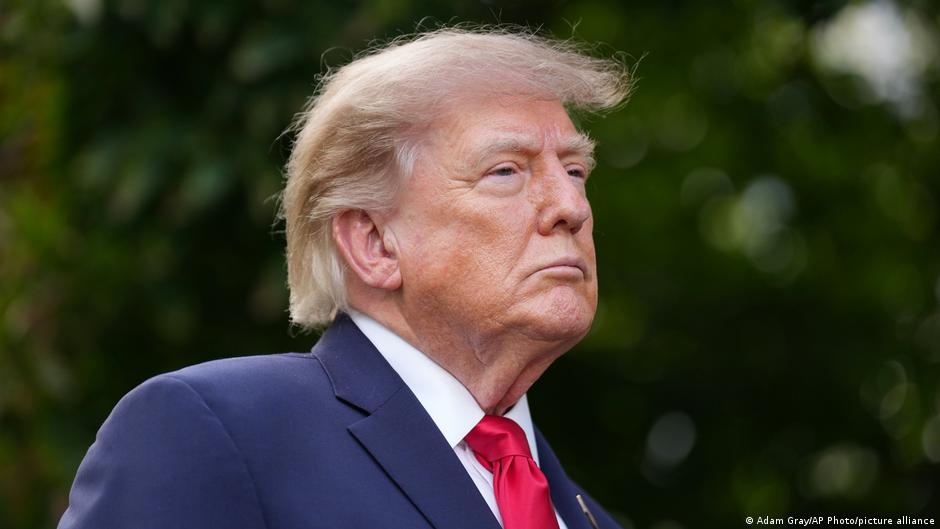
Previously, former President Donald Trump was hesitant to endorse the bill, citing a need for broader powers covering both tightening and easing of sanctions. However, in the wake of Senator Graham's passing and subsequent bipartisan revisions to the bill, Trump has shifted his position, increasing the likelihood of eventual enactment.
Next Steps and Legislative Outlook
The Senate is expected to hold a final vote later this week. Despite strong support, the bill will not take effect before September because the House of Representatives has recessed for the summer. This delay leaves a window for further negotiation and possible amendments.
For the venture capital community and tech startups, the evolving sanctions framework is a critical development to monitor. It may influence cross-border collaborations, capital flows, and innovation priorities in sectors affected by energy policies and geopolitical risks.