US Senate Advances Resolution to Limit Military Action Against Iran, Impacting Tech and Venture Climate
US Senate moves to require congressional approval for military actions against Iran, influencing geopolitical stability and startup ecosystem dynamics.
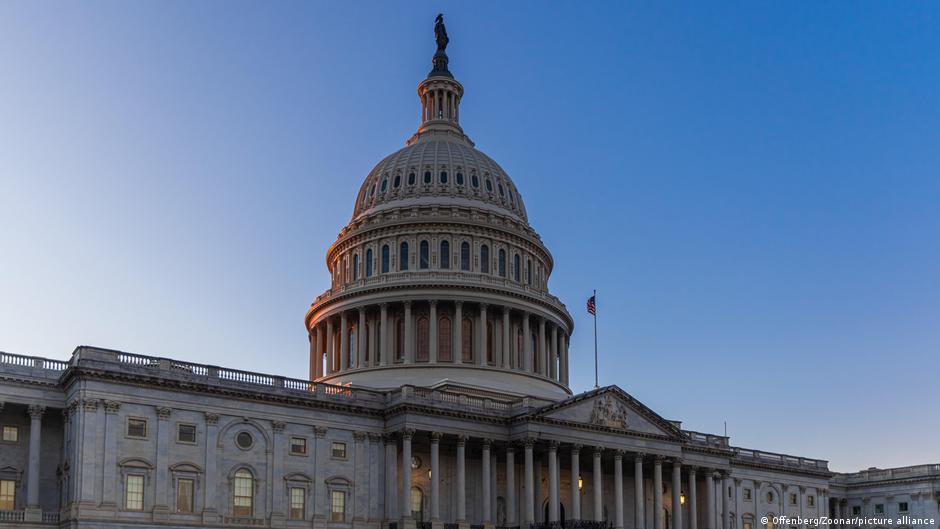
On May 19, the US Senate voted to advance a resolution that would compel President Donald Trump to seek congressional approval before continuing or initiating military actions against Iran. This move marks a significant shift in the legislative effort to constrain executive military authority and could have far-reaching implications for the broader economic and innovation climate, particularly within the technology startup and venture capital sectors.
Senate Vote Reflects Growing Demand for Congressional Oversight
The Senate procedural vote passed by a narrow margin of 50 to 47, signaling a division among lawmakers but creating momentum for further debate on the resolution. Notably, three Republican senators were absent due to their election campaigns, potentially impacting the final outcome. Previous attempts to advance similar resolutions have been blocked seven times by Republicans this year, indicating persistent partisan tensions around military engagement with Iran.
The resolution requires President Trump to either cease all military actions against Iran or obtain explicit congressional authorization to continue such operations. This follows the War Powers Act of 1973, which limits presidential military action without congressional approval to a 60-day period. Despite the official notification on May 1, 2026, declaring the end of hostilities with Iran, US forces continue to enforce port blockades and conduct strikes on Iranian vessels, underscoring the ongoing conflict’s complexity.
"This is the perfect time for discussion before we start another war," said Senator Tim Kaine, the Democratic sponsor of the procedural vote. "The President is throwing away peaceful and diplomatic offers without sharing them with Congress."
Implications for Tech Startups and Venture Capital
The escalation or de-escalation of US-Iran tensions holds considerable significance for the technology and venture capital ecosystem. Geopolitical stability is a key factor affecting investor confidence, cross-border collaborations, and market expansion strategies for startups. Prolonged military conflicts can disrupt supply chains, introduce regulatory uncertainties, and divert government attention and funding away from innovation initiatives.
Particularly, startups in sectors such as cybersecurity, defense technologies, and satellite communications may experience fluctuating demand correlating with geopolitical developments. Venture capital firms, sensitive to risk factors, may adjust their investment strategies based on perceived stability in international relations.
Moreover, congressional oversight could temper abrupt military decisions, potentially fostering a more predictable policy environment. This predictability is essential for startups and investors to plan long-term R&D projects and partnerships, especially those involving international stakeholders potentially affected by sanctions or trade restrictions.
Conclusion
The Senate’s advancement of this resolution represents a critical juncture in US foreign policy and legislative control over military engagements. While the resolution’s passage is not guaranteed, the debate highlights growing Congressional insistence on transparency and oversight. For the technology startup ecosystem, such political developments underscore the intrinsic link between geopolitical events and the innovation economy’s stability and growth.