US Senate Confirms Jay Clayton as National Intelligence Director Amid Bipartisan Concerns
Jay Clayton, former New York federal prosecutor and SEC chairman, to lead US intelligence community despite lack of prior experience
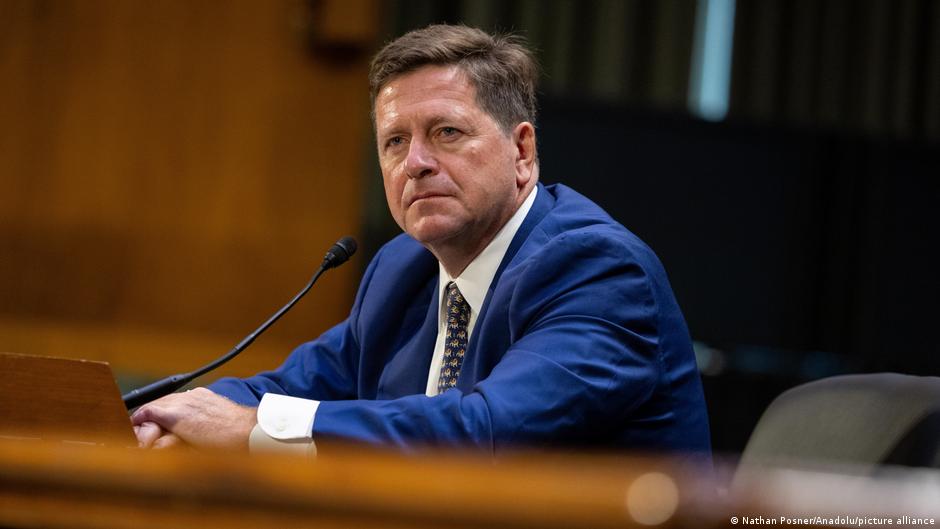
The US Senate has confirmed Jay Clayton, former federal prosecutor for the Southern District of New York, as the new Director of National Intelligence (DNI). The vote on July 28 concluded with 51 senators in favor and 47 opposed, including all Democrats opposing his nomination.
Clayton's confirmation marks a significant appointment to lead the US intelligence community, which encompasses 18 agencies such as the CIA, NSA, and Defense Intelligence Agency. Despite his extensive legal background, Clayton lacks prior experience in intelligence or national security, a factor that has raised concerns among lawmakers and industry observers alike.
Implications for the Tech and Innovation Ecosystem
Before his appointment as DNI, Clayton served as the federal prosecutor for the Southern District of New York beginning in 2025. Among his notable cases was the investigation into former Venezuelan leader Nicolás Maduro's drug trafficking operations. He also previously chaired the Securities and Exchange Commission (SEC) and practiced law at Sullivan & Cromwell, bringing considerable expertise in regulatory and financial matters.
“Jay Clayton’s leadership role in intelligence, despite no prior experience in national security, signals a shift that will impact oversight of technology and innovation sectors reliant on robust cybersecurity and intelligence collaboration.”
His tenure at the SEC is especially relevant to the venture capital and startup ecosystem, where regulatory scrutiny and compliance have become increasingly critical. Clayton’s new position could influence how intelligence agencies collaborate on protecting emerging technologies, safeguarding intellectual property, and addressing cybersecurity threats that affect startups and investors alike.
However, the controversial confirmation process highlighted partisan divides. Democratic senators, who initially viewed Clayton as a moderate alternative to acting DNI William Pulte, ultimately opposed him during hearings. Their concerns included Clayton’s evasive answers regarding the legitimacy of the 2020 presidential election results—a politically sensitive topic raised during his confirmation.
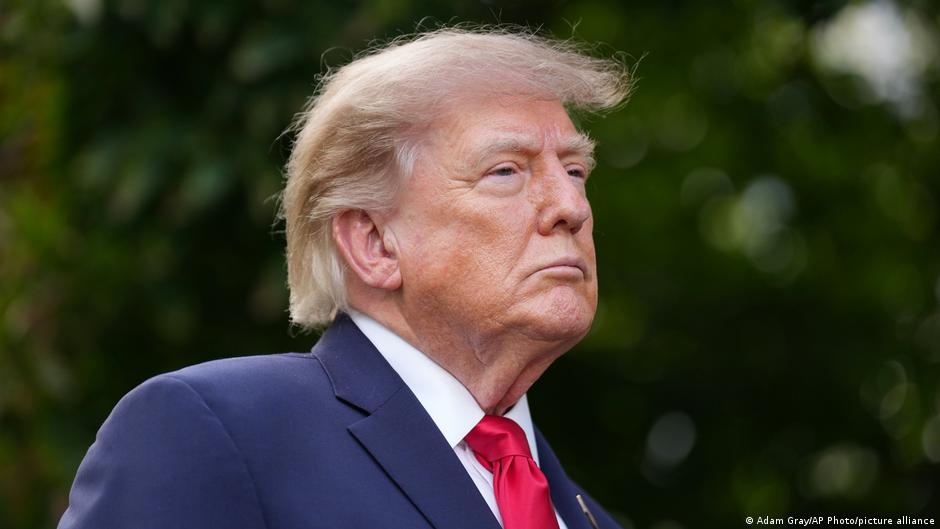
Clayton replaces Tulsi Gabbard, who resigned in May citing her husband's serious illness. Following her departure, President Donald Trump appointed William Pulte as acting DNI. Pulte, director of the Federal Housing Finance Agency, faced bipartisan criticism for lack of intelligence experience and initiated significant staffing cuts—reportedly reducing the intelligence coordination workforce by approximately 30% prior to Clayton's confirmation.
President Trump nominated Clayton in June, emphasizing his successful leadership at the SEC and his legal expertise from Sullivan & Cromwell. For the tech and startup community, Clayton’s background in securities regulation could herald a more nuanced approach to balancing innovation with regulatory oversight in intelligence matters.
As the intelligence community faces evolving challenges—from cybersecurity threats to safeguarding critical technologies—Clayton’s appointment underscores the intersection of legal, regulatory, and intelligence frameworks shaping the innovation landscape.