US Sends First Humanitarian Aid Flight to Cuba Amid Political Tensions and Sanctions
The $100 million aid package to Cuba marks a complex intersection of humanitarian support and escalating US sanctions targeting Cuban state enterprises.
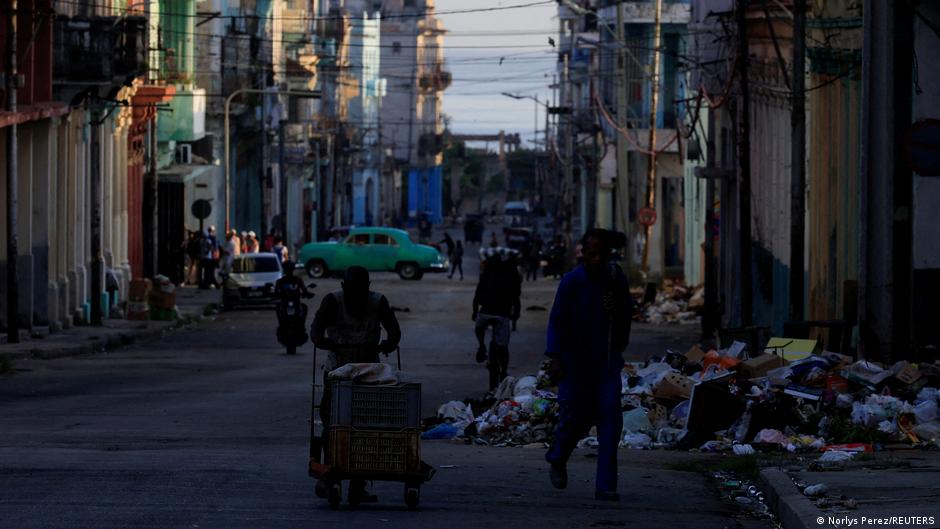
In a move that underscores the complexity of US-Cuba relations, the United States has dispatched the first plane carrying humanitarian aid to Cuba as part of a newly announced $100 million assistance package. This development comes despite recent US sanctions targeting Cuban state-owned enterprises and reports of possible military operations.
Humanitarian Aid Amid Sanctions and Strategic Pressure
On July 21, the US State Department confirmed the dispatch of aid including food and hygiene kits intended to support approximately 700 Cuban families. The aid distribution is coordinated through the Catholic Relief Services, ensuring direct delivery to those in need. This initiative builds on previous US efforts that saw $9 million in aid sent to Cuba after Hurricane Melissa caused significant damage to parts of the island.
"This humanitarian mission aims to assist the residents of the Caribbean island while economic sanctions continue to exert financial pressure on the Cuban government," noted US officials.
Secretary of State Marco Rubio announced the package in May, emphasizing the US goal of helping the Cuban population amid intensified economic sanctions, including oil supply blockades. Despite initial skepticism from the Cuban government—who accused the US of manipulating power outages and product shortages—the aid appears to have been accepted following negotiations with representatives from the Trump administration.
Geopolitical and Military Dimensions Affecting the Cuban Economy and Innovation Landscape
Simultaneously, reports surfaced that the Pentagon is contemplating potential military actions against Cuba, including deploying thousands of paratroopers from the 101st Airborne Division. However, experts deem such operations unlikely in the near term due to US military focus on other global conflicts. Instead, the Trump administration prefers leveraging economic and diplomatic tools to influence Cuba.
US Defense Secretary Pete Hegseth has warned that Cuban efforts to acquire weapons threatening US interests could provoke confrontation. Intelligence reports indicate Cuba’s acquisition of over 300 drones potentially targeting the Guantanamo Bay base, US naval vessels, and Florida territories.
New sanctions introduced by the US specifically target five Cuban companies, three of which are affiliated with Grupo de Administración Empresarial S.A. (GAESA), a military-controlled conglomerate managing an estimated 40% of Cuba’s GDP and holding liquid reserves of $14.5 billion as of 2024. The sanctions also extend to close family members of Cuba’s national security leadership, intensifying economic pressure on entities deeply embedded in the Cuban state apparatus.
These developments have significant implications for the Cuban tech startup ecosystem and innovation landscape. The tightening sanctions and economic uncertainties make it harder for local entrepreneurs to access international capital and technology partnerships. Additionally, the dominance of GAESA in the Cuban economy presents barriers to private sector growth, as government-affiliated conglomerates control key resources and infrastructure.
From a venture capital perspective, the evolving US-Cuba dynamics create challenges but also potential opportunities for humanitarian tech startups and social enterprises focusing on crisis relief and supply chain solutions. Innovative organizations that can navigate complex regulatory environments and establish trusted partnerships may find a critical role in delivering aid and fostering resilience.
Overall, the juxtaposition of humanitarian aid delivery with escalating sanctions and military posturing illustrates the delicate balance of geopolitical strategy impacting Cuba’s economic and innovation ecosystems. The US approach underscores a preference for leveraging economic pressure while providing targeted relief, a strategy that will shape the island’s startup environment and foreign investment prospects in the near term.