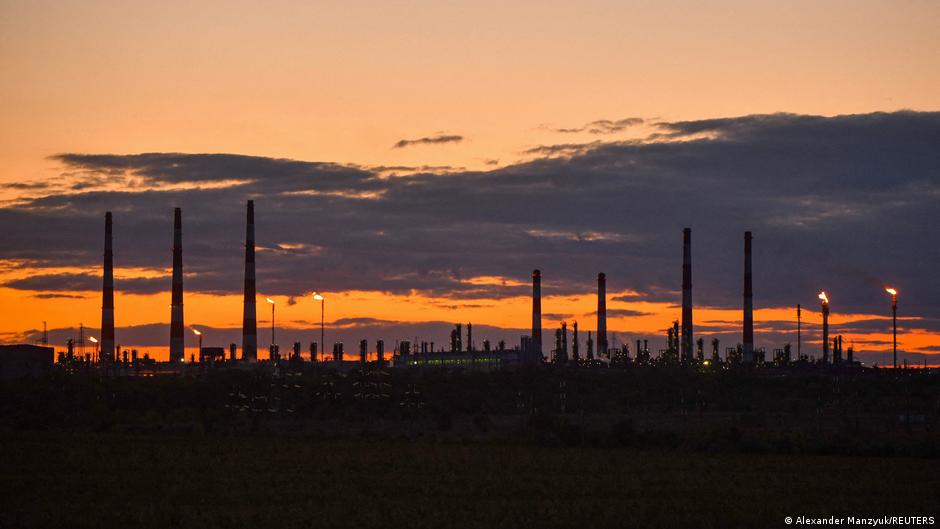
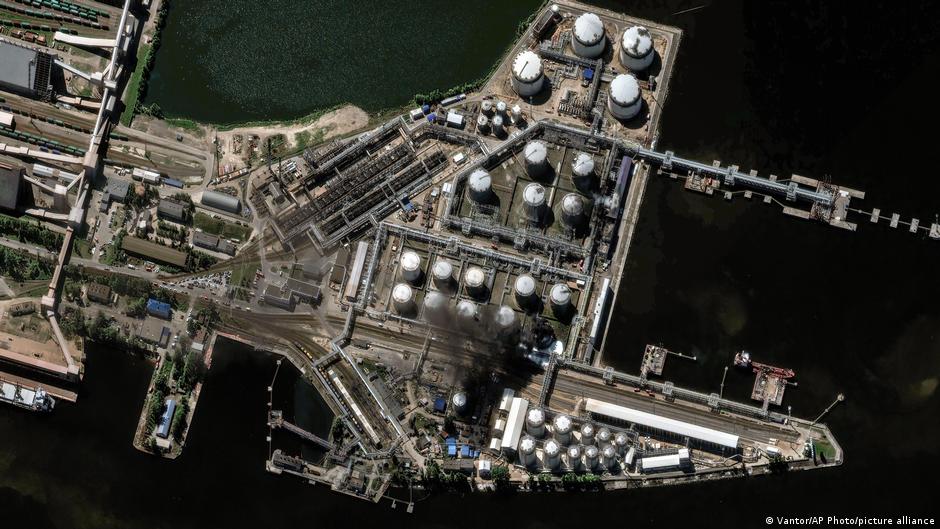
US Temporary Sanctions Relief on Russian Oil Expires Amid Global Energy Shifts
The US has ended its short-term easing of sanctions on Russian oil exports, impacting global energy markets and potentially affecting tech startup funding linked to energy innovation.

The United States has allowed the temporary easing of some sanctions on Russian oil exports to lapse, marking a significant shift in the geopolitical landscape that could influence the broader innovation ecosystem, including tech startups and venture capital investments tied to energy sectors.
Initially introduced on March 13 as a short-term, narrowly scoped measure, these sanctions reliefs permitted the continued purchase of Russian oil and petroleum products already loaded onto tankers at sea. This allowance was aimed at mitigating the surge in global energy prices triggered by geopolitical tensions and conflicts.
End of Temporary Sanctions Relief and Its Implications
The relief expired on May 16 without extension, as confirmed by the absence of any renewal notice on the US Treasury’s official website. Former US Treasury Secretary Scott Bessent had previously indicated that the special license enabling the purchase of Russian oil aboard maritime vessels would not be renewed.
“This was always meant to be a narrowly targeted and short-term exemption,” Bessent remarked during the initial introduction of the measure.
Following the expiration of this relief, market dynamics are expected to shift, with potential repercussions for companies involved in energy supply chains and those innovating in energy technology. The temporary easing had allowed Russia to generate over $100 million in additional daily revenue from oil sales, according to reports by The New York Times. The International Energy Agency noted that Russian oil revenues nearly doubled in March to approximately $19 billion compared to February.
For the tech and venture capital sectors, these developments underscore the interconnectedness of geopolitical events and the funding environment for energy startups. Rising energy costs and supply uncertainties often drive innovation in alternative energy technologies and energy efficiency solutions, attracting venture capital interest. Conversely, renewed sanctions and market restrictions can disrupt existing energy supply chains and affect investment flows.
Startups focused on energy storage, renewable generation, and smart grid technologies may see increased opportunities as traditional energy markets face volatility. However, the expiration of sanctions relief could also introduce new risks and complexities for firms reliant on cross-border energy trade.
As the global energy sector recalibrates, venture capitalists and startup founders will need to closely monitor regulatory changes and geopolitical developments to navigate funding landscapes and innovation trajectories effectively.