Uzbekistan Accelerates Privatization of Asakabank Amid Major Financial Restructuring
The decision aims to streamline Asakabank’s operations and facilitate venture-backed innovation through strategic asset transfers and state capital injections.
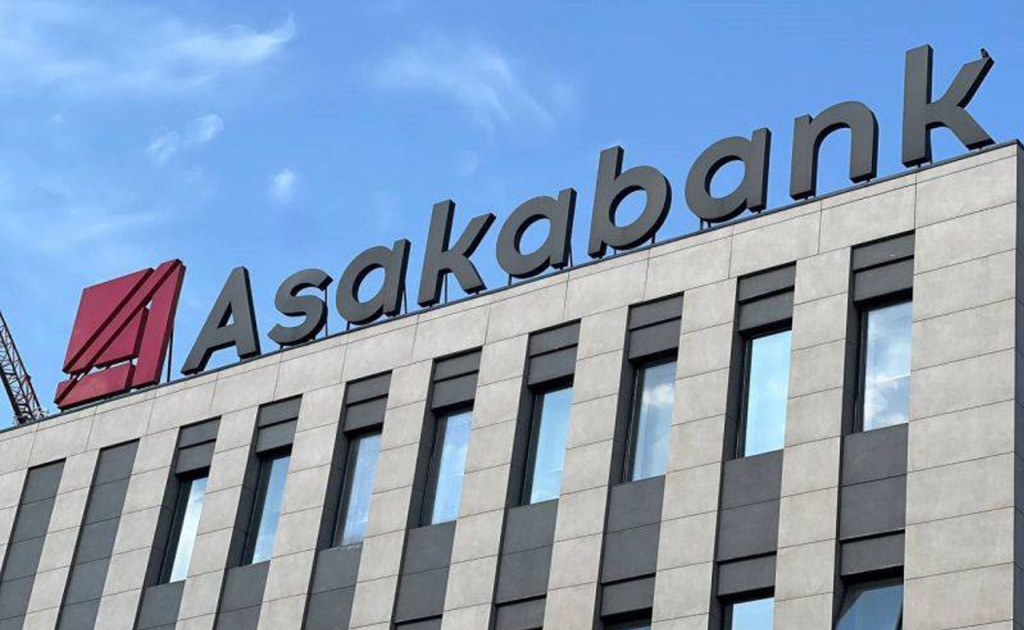
Uzbekistan has announced a series of measures to hasten the privatization of Asakabank, the country's second-largest bank, as part of a broader effort to modernize the financial sector and strengthen the venture capital ecosystem. The Presidential decree PQ–149, issued on April 20, 2026, mandates the termination of non-core banking activities and aims to optimize bank operations under market principles and risk management standards.
Impact on Financial Sector and Venture Capital Investments
The decree outlines that all banking activities must align strictly with commercial market rules and contemporary risk frameworks, effectively ending ancillary or unrelated operations previously undertaken by the bank. As a result, several significant assets and investment projects currently held by Asakabank are slated for transfer to the State Asset Management Agency.
"The focus on core banking functions is intended to enhance operational efficiency and prepare Asakabank for a successful transition into private ownership," the decree emphasized.
Among the assets being transferred are the former "Tashkent Agricultural Machinery Plant" property complex, various investment projects worth approximately 382.6 billion Uzbek soms—including ventures like "Green Energy," "Uz CLAAS Agro," and "Khorezm Invest Project." These transfers are conditional on future privatization proceeds being used to compensate the bank.
Notably, Asakabank’s involvement in pharmaceutical startups valued at around 780 billion soms, including "Asaka Farm Ventures" and "Asaka Farm Invest," will be handed over to the National Venture Fund, UzVC, with state budget support. This move signals a strategic push to boost innovation and venture financing within Uzbekistan’s emerging biotech and pharma sectors.
To ensure financial stability during the privatization process, the government will inject $95 million in capital into Asakabank in 2026 and cover potential losses from non-performing loans using state resources. Additionally, dividend payouts for 2024–2025 will be suspended, with net profits slated for reinvestment to strengthen the bank’s capital base.
The bank’s share capital will be adjusted to reflect market valuations, converting nearly 1.98 trillion soms of government debt into equity, thereby improving the bank’s balance sheet ahead of sale.
Privatization Timeline and Market Implications
Initially planned for completion by the end of 2023, Asakabank’s privatization timeline has been extended to the end of 2025. This adjustment aligns with recent presidential decrees extending deadlines for privatizing state stakes in several banks, including O‘zsanoatqurilishbank and Aloqabank.
In May 2024, Uzbekistan signed an agreement with the European Bank for Reconstruction and Development (EBRD) to facilitate Asakabank’s privatization, under which EBRD acquired a 15% stake, positioning itself as a key strategic investor expected to join the bank’s shareholder base by 2026.
While some state-owned banks such as Milliy Bank, Agrobank, and Xalq Bank will remain under government control through 2030, authorities plan to gradually reduce state ownership in select institutions to stimulate competition, innovation, and private sector involvement.
Experts anticipate that the privatization and recapitalization of Asakabank will have significant implications for Uzbekistan’s startup ecosystem, particularly by enabling more efficient venture financing through partnerships with national funds and international investors. The strategic reallocation of assets and targeted capital injections are expected to strengthen the bank’s balance sheet and expand its ability to support high-growth sectors, including green energy and pharmaceuticals.
As Uzbekistan continues to reform its banking sector, these developments highlight a broader trend towards leveraging state assets to catalyze innovation and attract venture capital, fostering a more dynamic and competitive market environment for startups and investors alike.