Zaporizhstal Damage Deemed Critical After Third Russian Strike in a Month
The shutdown of one of Ukraine’s largest steel plants is intensifying pressure on industrial supply chains and regional employers.
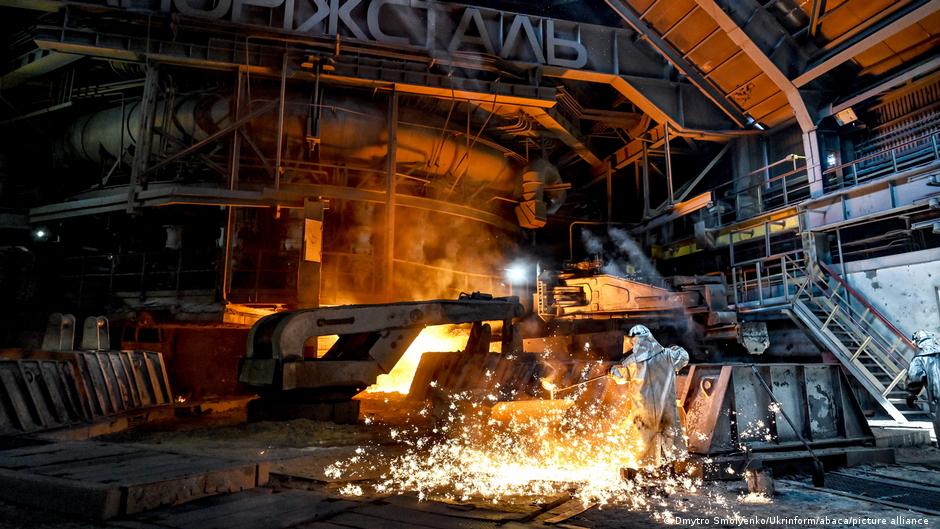
Zaporizhstal, one of Ukraine’s largest metallurgical plants, has sustained what the company preliminarily described as “critical” damage after a third Russian missile strike in a month, deepening the disruption to a major industrial asset and adding pressure to Ukraine’s wartime manufacturing base.
The plant, located in the Ukrainian city of Zaporizhzhia, was struck overnight into Saturday, September 12, in an attack involving ballistic missiles, according to a company press release published the same day. Zaporizhstal said four missiles hit the production site in the latest assault.
The company had already fully halted operations after previous strikes on August 11 and August 27. Despite that shutdown, at least four employees were present at the site during the September attack and were injured. Three of them required hospitalization.
Zaporizhstal said the new strike damaged equipment in its blast furnace and open-hearth shops, as well as the plant’s power system and logistics infrastructure. The facility is continuing response work and examining damaged assets to determine the character and scale of the destruction.
“The scale of destruction grows with every strike. It is not yet possible to assess it definitively, but preliminarily we classify the damage as critical,” said Oleksandr Myronenko, chief operating officer of Metinvest Group, which includes Zaporizhstal.
Industrial Shock With Startup-Ecosystem Implications
For Ukraine’s technology and venture ecosystem, the impact of damage to a steel producer may appear indirect at first. But large industrial employers and export-oriented manufacturers remain part of the operating environment for hardware startups, logistics platforms, energy-management companies, defense-tech suppliers and industrial software ventures.
A prolonged outage at a plant that accounted for a substantial share of national steel and pig iron output could affect procurement timelines, input availability and investor assumptions around Ukraine’s industrial resilience. It also underlines the degree to which wartime risk continues to shape due diligence for venture capital, M&A and strategic investment in the country’s innovation economy.
Zaporizhstal’s production scale is significant. According to the company, in 2025 the plant produced nearly 3.568 million tonnes of pig iron and 3.212 million tonnes of steel. Across Ukraine, the industry association Ukrmetallurgprom calculated that producers cast 7.884 million tonnes of pig iron and 7.409 million tonnes of steel that year. On that basis, Zaporizhstal represented more than 45% of Ukraine’s pig iron output and more than 42% of its steel production.
Those figures make the plant’s shutdown more than a single-company operational disruption. It is a shock to a key industrial node at a time when Ukraine’s broader business environment is being assessed by domestic investors, international funds and potential strategic acquirers through the lens of continuity, infrastructure exposure and wartime recovery capacity.
A Month of Escalating Attacks
The first major missile strike on Zaporizhstal took place overnight on August 11. Eight plant employees were killed and another 26 were wounded. The damage to equipment was severe enough that the metallurgical plant fully stopped operations, while other production sites began operating “at reduced capacity.”
A second major attack followed on August 27. According to Zaporizhstal, five missiles hit the plant that time. No one was killed or injured, but the blast furnace shop, energy and transport infrastructure, and open areas of the enterprise were damaged.
After the August 27 strike, Myronenko said that any timeline for resuming production existed “only in theory,” because the plant had just cleared debris from the previous hit when another attack occurred.
The September 12 strike adds a further layer of uncertainty. The company has not provided a definitive estimate of the damage or a firm timeline for any production restart. It said assessment work is ongoing while crews continue to deal with the consequences of the attack.
Employment and Regional Investment Risk
Zaporizhstal is also a major employer in Zaporizhzhia region. In May 2026, the company said it had topped the list of the region’s largest employers, citing an annual ranking by Opendatabot, a service that provides access to state data on individuals and legal entities in Ukraine. At that time, the enterprise employed more than 8,000 people.
The plant’s fiscal role is similarly material. In 2025, Zaporizhstal paid almost 2.7 billion hryvnias, equivalent to 52.34 million euros, in taxes to budgets at all levels.
For venture investors watching Ukraine, those employment and tax figures matter because they frame the broader regional economy in which startups operate. Local purchasing power, technical labor mobility, municipal budgets, infrastructure repair capacity and the availability of industrial partners can all be affected when a major employer and taxpayer is forced offline.
The damage also intersects with an emerging investment thesis around rebuilding and modernization. Ukraine’s recovery is expected to require new capital and technology across energy systems, transport, logistics, industrial automation, construction materials and security infrastructure. Repeated attacks on large manufacturing assets may increase demand for such technologies, while also raising the risk premium for deploying capital in exposed regions.
For founders and investors, Zaporizhstal’s latest damage is therefore both a humanitarian and industrial event. It highlights the vulnerability of legacy production capacity, the operational risks facing strategic assets, and the need for resilient infrastructure as Ukraine’s companies seek financing, partnerships and eventual reconstruction pathways.