Zelensky Plans Late-September US Talks on Energy and Food Security
The Ukrainian president said a new meeting with a US delegation could take place at the UN General Assembly in New York.
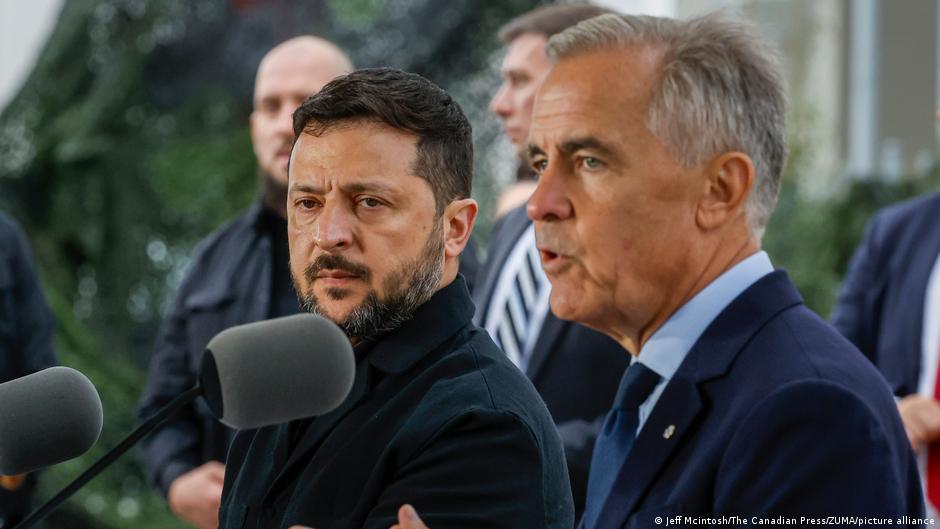
Ukrainian President Volodymyr Zelensky said he expects to meet again with a US delegation before the end of September, with food security and energy security set to be central topics. The timing, he indicated, could place the talks on the sidelines of the United Nations General Assembly in New York, where Ukraine is seeking to keep international attention focused on both the war and the economic infrastructure needed to sustain the country through it.
Zelensky made the remarks on Thursday, September 11, after talks with Canadian Prime Minister Mark Carney. He said the planned meeting would address the issue of grain and agricultural products whose exports Russia has begun blocking in the Black Sea. He also warned that Moscow could intensify attacks on Ukraine as diplomatic contacts with Western partners continue.
For Ukraine’s technology and startup sector, the agenda is more than a matter of geopolitics. Energy reliability, export logistics and investor confidence are all core inputs for a wartime innovation economy that has increasingly become linked to defense technology, infrastructure resilience, agricultural systems and distributed energy solutions. A sustained push by Kyiv to keep US officials engaged on energy and food security could shape the conditions under which Ukrainian startups raise capital, scale products and negotiate cross-border partnerships.
Energy security as a startup operating constraint
Zelensky said Kyiv remains in daily contact with the US delegation to discuss energy security as Russian forces strike Ukrainian infrastructure. Those attacks have implications well beyond state utilities. Startups operating in software, manufacturing, logistics, artificial intelligence, fintech and defense-adjacent sectors depend on stable electricity, predictable connectivity and functioning urban infrastructure.
In wartime Ukraine, founders have adapted to outages, relocation risk and interrupted supply chains. But the cost of resilience is real: backup power, redundant work sites, distributed teams and infrastructure protection all absorb capital that might otherwise go into hiring, product development or overseas expansion. For venture investors evaluating Ukrainian companies, energy security is therefore part of the risk model.
The planned US discussions could also matter for startups building solutions in precisely these areas. Companies working on microgrids, energy storage, infrastructure monitoring, cybersecurity for utilities and rapid repair technologies are positioned within a national priority. The more clearly Western governments align support around energy resilience, the stronger the signal to venture capital and strategic investors that these markets may remain investable despite war-related volatility.
“Knowing Russia, when they hear that we are holding talks somewhere with Europeans, with Canadians, with Americans, when they hear this, they try to intensify attacks on us,” Zelensky said.
He added that Russia acts this way “just to disrupt any negotiations, just to disrupt any dialogue,” but said Ukraine believes in continuing talks because “this is the only way to stop the war, there is no other way.”
Food security and the Black Sea corridor
Zelensky said he expects the upcoming meeting to cover grain and agricultural products, whose exports Russia has started to block in the Black Sea. Agriculture is one of Ukraine’s central economic sectors, but it is also increasingly tied to technology. Agtech startups, logistics platforms, port-related service providers, commodity data firms and companies building tools for supply-chain transparency are all exposed to disruptions in maritime exports.
For venture-backed companies, blocked exports create both stress and demand. On one side, revenue forecasts tied to agricultural volumes can be weakened by shipping disruptions. On the other, the crisis increases demand for alternative routing, storage optimization, insurance technology, satellite monitoring, crop analytics and risk-management tools. The diplomatic handling of Black Sea access will influence whether such companies can sell into a recovering export economy or must continue building around emergency conditions.
The VentureLine lens is especially relevant because the war has changed the way investors evaluate Ukrainian innovation. Startups are not merely serving domestic demand; many are building under extreme constraints that can produce exportable products for markets concerned with resilience, security and critical infrastructure. Still, the commercial upside depends on continued access to capital and on a policy environment that reduces existential operational risk.
Diplomacy, timing and investor confidence
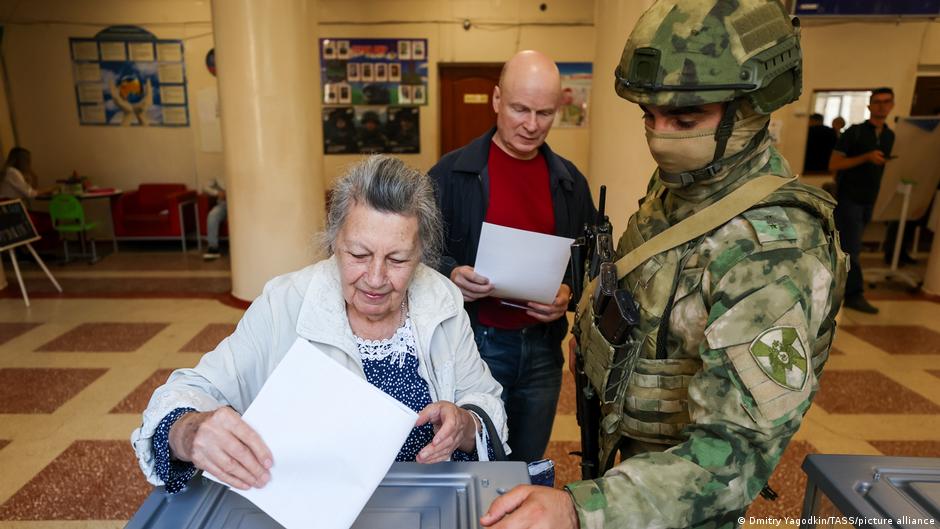
Zelensky also said he does not expect serious negotiations with Moscow to begin before elections to Russia’s State Duma, scheduled for September 18 to 20. Earlier reports said Washington also hopes talks can resume after Russia’s election campaign.
The political calendar matters for markets because even the possibility of renewed negotiations can affect investor sentiment. Venture capital firms and corporate buyers tend to move cautiously in conflict zones, but they also monitor diplomatic signals for moments when follow-on financing, acquisitions or strategic partnerships become more plausible. A credible path toward negotiations could improve confidence, while intensified Russian attacks could have the opposite effect.
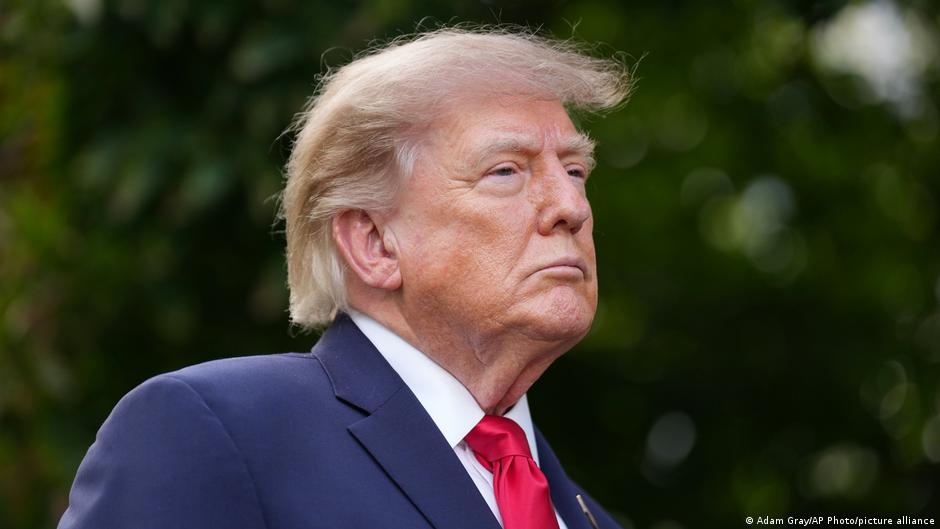
The US role is central. On September 9, US President Donald Trump said Russian President Vladimir Putin was ready to reach an agreement to end the war with Ukraine. Trump said he had “an excellent conversation” with Putin and that Putin “wants an agreement.” The US president added that it would be “very good” if Zelensky “also wants an agreement.”
At the beginning of September, Washington resumed mediation between Kyiv and Moscow in an effort to bring about talks. After another visit to Moscow by Trump’s special envoy Steve Witkoff and the president’s son-in-law Jared Kushner, the Kremlin said Putin had assured Trump that Russia had no “aggressive plans” toward Europe.
For founders and investors, these diplomatic signals are not abstract. M&A activity, defense innovation partnerships, reconstruction technology contracts and international expansion all depend on whether Ukraine’s operating environment is seen as manageable. A late-September meeting between Zelensky and US representatives would therefore be watched not only by diplomats, but also by venture funds, strategic technology companies and entrepreneurs building businesses in and around Ukraine’s wartime economy.