China Expresses Interest in Purchasing U.S. Oil and Soybeans Amid Shifts in Trade Dynamics
Following talks between U.S. and Chinese leaders, China signals renewed demand for American energy and agricultural exports, impacting global trade and innovation ecosystems.
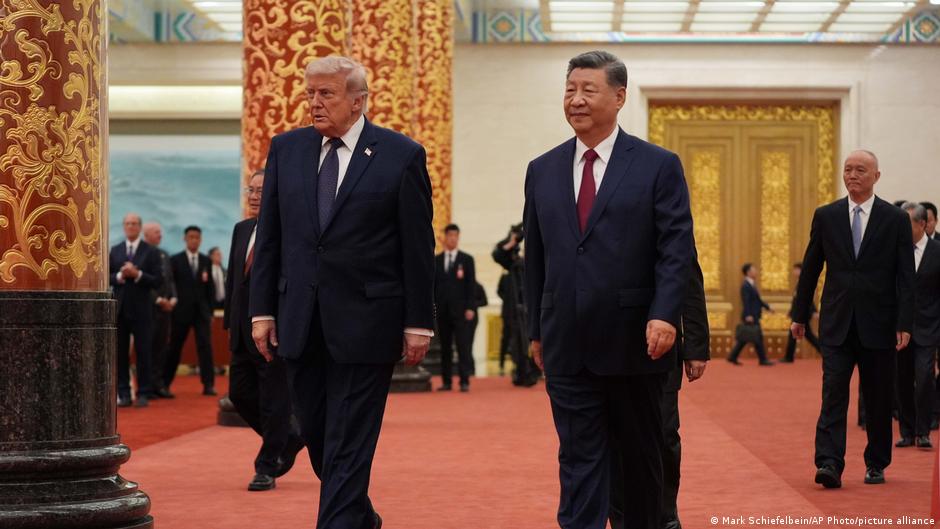
After recent high-level discussions in Beijing, China has shown renewed interest in purchasing American oil and soybeans, marking a potential shift in trade relationships that could influence the technology and innovation sectors tied to these commodities.
Trade Developments and Implications for Startups and Venture Capital
U.S. President Donald Trump revealed this development during an interview following two hours of talks with Chinese President Xi Jinping. This interest comes after years of strained trade relations, including the so-called "trade war" that began in 2018 and involved tariffs on key goods such as soybeans and energy products.
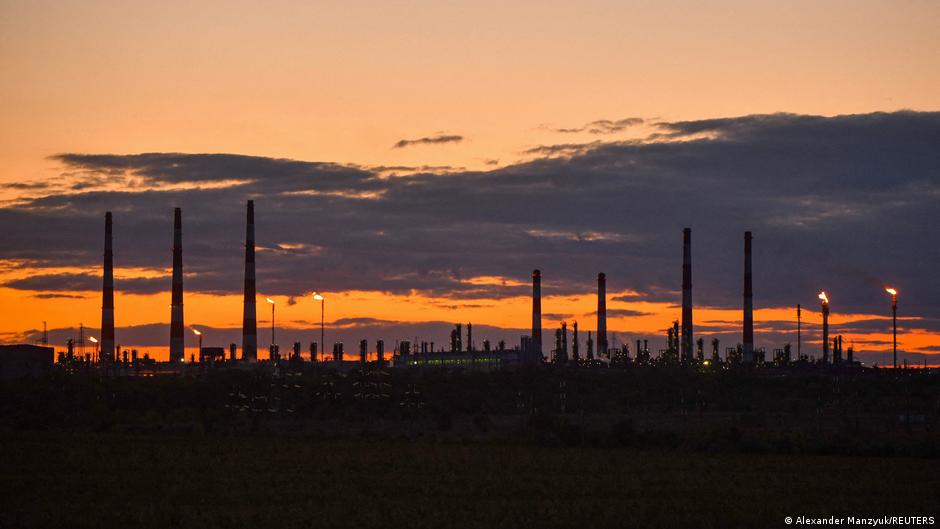
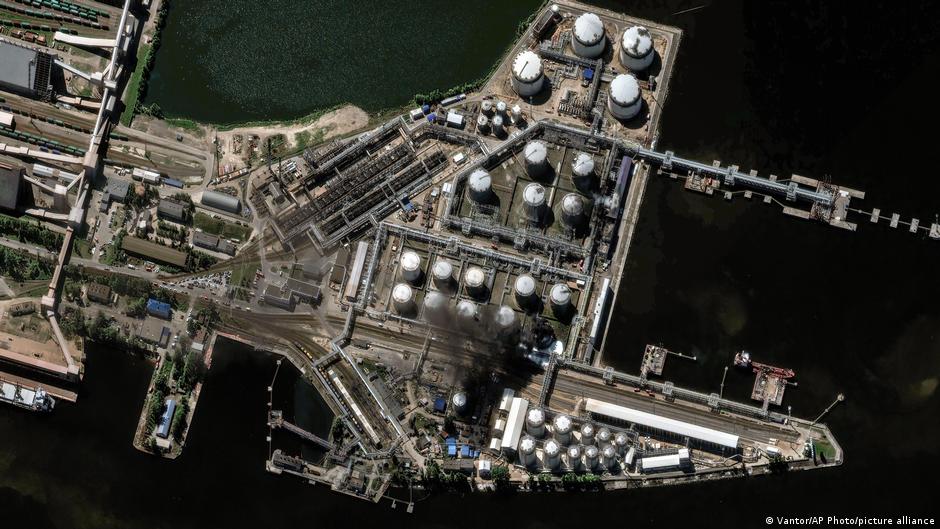
China has historically been a major buyer of Iranian oil but had limited purchases of American oil prior to the trade tensions that escalated in 2018 and continued through 2025. The reduction in Chinese demand for U.S. soybeans simultaneously drove Beijing to increase imports from Brazil, reshaping agricultural supply chains and impacting related startups and agri-tech ventures.
"China, as a key player in global supply chains, signaling renewed demand for U.S. commodities could open new avenues for innovation in energy and agriculture technology sectors," said a trade analyst.
This emerging dynamic presents opportunities for startups in energy technology, such as those focusing on oil extraction, refining, and distribution efficiencies, as well as agricultural technology companies developing sustainable soybean production and supply chain innovations. Increased trade flows can stimulate venture capital interest in these areas, offering potential for mergers and acquisitions and cross-border partnerships.
Broader Geopolitical Context and Its Effects on Innovation Ecosystems
Beyond trade, President Trump noted that China may exert influence over Iran, a significant factor in Middle Eastern geopolitics that shapes global energy markets and technological investments. According to Trump, President Xi expressed willingness to assist in negotiations aimed at ending conflicts involving the U.S., Israel, and Iran, and pledged that China would not supply weapons to Iran.
These geopolitical shifts could stabilize energy markets, reducing uncertainties that often affect venture capital decisions and startup valuations in related sectors. A more predictable environment encourages investment in energy infrastructure, alternative fuels, and satellite technologies monitoring trade and conflict zones.
President Trump emphasized his position on Iran, urging the country to seek a deal with the U.S., and described current Iranian leadership as "reasonable," indicating potential openings for diplomatic solutions. The management of Iran’s enriched uranium stockpile was discussed, with Trump suggesting possibilities for its containment or repurposing.
For startups and investors, these developments signal a complex but potentially fertile environment. Stabilized relations can lead to increased funding rounds for companies involved in energy, agriculture, and logistics technologies, while fostering innovation ecosystems that depend on predictable international trade flows and geopolitical stability.