China Warns U.S. Against Space War Posture as Orbital Weapons Are Confirmed
The disclosure sharpens geopolitical risk for space-tech startups whose satellite networks underpin communications, navigation and defense innovation.
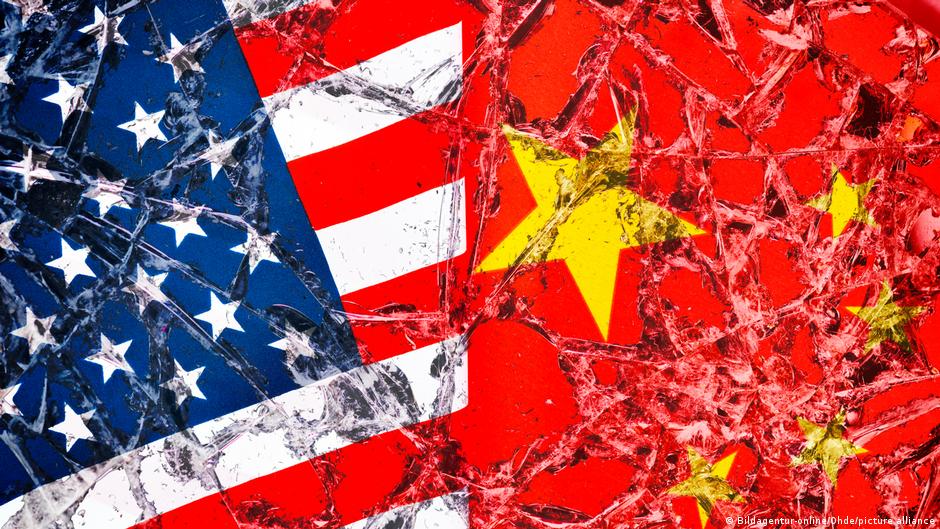
China has urged the United States to stop preparing for conflict in space after Washington confirmed for the first time that it has weapons systems deployed in orbit, a development with direct implications for the fast-growing commercial space sector and the investors backing it.
The U.S. Space Force said it has orbital assets capable of both defensive and offensive use. The statement cited threats in space from China and Russia, framing the capability as part of a broader effort to protect military operations. Beijing responded on Tuesday, September 15, warning against the “militarization of space,” turning space into a battlefield and triggering an arms race beyond Earth.
“We urge the U.S. side to stop building up military capabilities and preparing for war in space,” Chinese Foreign Ministry spokesman Guo Jiakun said at a briefing.
The exchange marks a significant escalation in how major powers publicly discuss space security. For startups, venture capital firms and strategic acquirers, the message is clear: space infrastructure is becoming more valuable, more contested and more exposed to geopolitical risk.
Strategic Competition Reaches Orbit
On September 14, U.S. Air Force Secretary Troy Meink said the United States possesses “space control assets” located in orbit. He said those assets, operated by the U.S. Space Force, are capable of protecting the joint force from hostile actions, but he did not provide details about the weapons themselves.
The U.S. Space Force statement said space control includes capabilities needed to secure and protect control of space and may be used for both offensive and defensive purposes. It also referred to the use of kinetic and non-kinetic means, a formulation that covers a wide spectrum of potential systems, from physical attacks to electronic or cyber operations.
The statement specifically named China and Russia. It said China is developing and operating space-action assets and counterspace defense systems as part of a strategy to modernize its armed forces. It also said Russia views space as a theater of military operations and believes dominance in space will be a decisive factor in future conflicts.
The U.S. Space Force was established in 2019 during Donald Trump’s first presidential term as a separate military branch, in response to potential threats from Russia and China. Since then, the commercial space market has expanded rapidly, with private companies building satellite constellations, launch systems, sensors, communications networks and analytics platforms that increasingly overlap with national security requirements.
Why This Matters for Startups and Investors
The confirmation of orbital weapons adds a new layer of risk and opportunity for space-tech companies. Satellite operators, communications providers, Earth observation companies and defense-focused software startups may find greater demand from governments seeking resilient space infrastructure. At the same time, the possibility of conflict in orbit could raise insurance, compliance and operating costs for companies whose business models depend on uninterrupted access to satellite networks.
Venture investors have already treated space as a strategic technology category, but public confirmation of orbital military capabilities could shift attention toward startups working on satellite hardening, cyber defense, electronic warfare resilience, space domain awareness and rapid replacement of damaged orbital assets. These areas sit at the intersection of commercial innovation and defense procurement, a zone that can attract funding but also bring export controls, procurement delays and regulatory scrutiny.
M&A activity may also be affected. Larger aerospace and defense companies could have stronger incentives to acquire startups with technologies that improve satellite protection, tracking, secure communications or autonomous orbital operations. Conversely, investors may discount companies exposed to a potential arms race if their products depend on fragile infrastructure or markets vulnerable to political restrictions.
The issue is not limited to weapons placed in orbit. The article notes that hacking satellites and interfering with their operations are becoming increasingly important. Russia is suspected of developing weapons against Starlink satellites used by the Ukrainian military. The role of Starlink has already demonstrated how privately built satellite systems can become strategically important in active conflicts, even when developed by commercial companies.
According to AFP, Russia, the United States, China and India are studying ways to operate outside the limits of existing treaties, including strikes against enemy satellites that play a critical role in military communications, surveillance and navigation. That reality increases the strategic relevance of dual-use startups whose products can serve both civilian and military customers.
Treaty Limits and Regulatory Uncertainty
Historically, the greatest concern was the possible placement of nuclear weapons in space. The 1967 Outer Space Treaty prohibits such deployment. The United States, Russia and China are among its parties, and the treaty requires space exploration to be conducted for peaceful purposes.
However, the treaty does not apply to conventional weapons placed on satellites or spacecraft. That gap matters for the innovation ecosystem. Startups developing propulsion, robotics, satellite servicing, sensing or proximity operations could face growing questions about how their technologies might be used in military contexts. Investors may need to apply more rigorous diligence around end users, regulatory exposure and the potential classification of technologies as defense-related.
For founders, the shift could mean more government demand but also a more complicated path to scale. Companies serving defense customers often face longer sales cycles and greater oversight than purely commercial software or hardware firms. Space startups may also need to design systems with interference, cyberattacks and kinetic threats in mind from the beginning, rather than treating resilience as an enterprise upgrade.
Beijing’s warning does not change the immediate commercial opportunity in orbit, but it underscores a broader structural trend: space is no longer just a frontier for communications, climate monitoring and navigation. It is becoming a contested infrastructure layer for national power. For venture-backed companies, that may bring capital, customers and consolidation, but also the kinds of geopolitical shocks that can quickly reshape markets.