Collapse of Latvian Governing Coalition Raises Uncertainty for Tech and Innovation Ecosystem
Latvia’s ruling coalition dissolves after defense minister’s resignation, potentially impacting venture capital and startup dynamics ahead of elections.
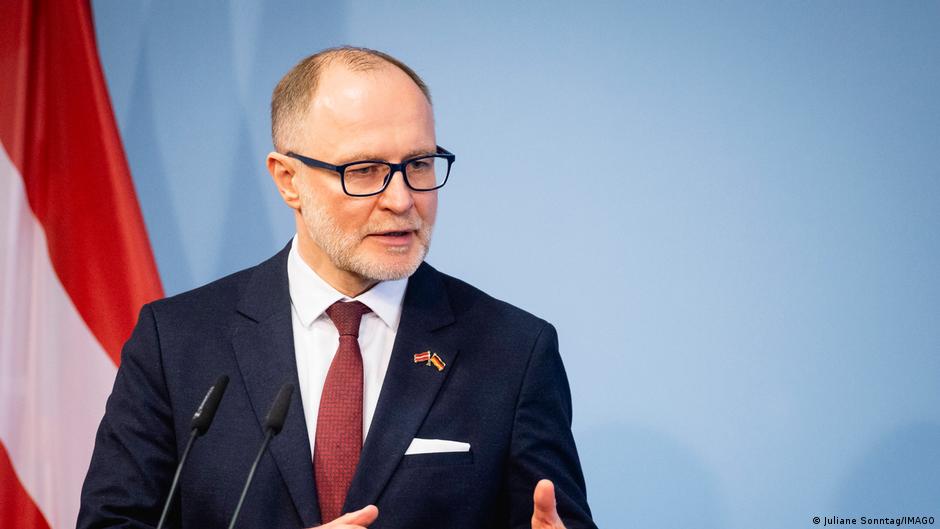
Latvia's ruling coalition, comprising the New Unity party, the Progressives, and the Union of Greens and Farmers, officially collapsed on May 13 following the resignation of Defense Minister Andris Spruds. This political upheaval poses potential challenges for the country's burgeoning tech startup scene and broader innovation ecosystem, which rely on stable governance and sustained venture capital flows.
Political Instability Amid Security Concerns
The coalition fracture was triggered by an incident involving two drones that entered Latvian airspace, presumably en route from Ukraine to Russia. The defense minister, representing the Progressives, stepped down after Prime Minister Evika Siliņa expressed a loss of confidence in his leadership and the military's failure to ensure airspace security. Siliņa subsequently proposed appointing Colonel Raivis Melnis, a professional military officer, as the new defense minister.
"The country cannot afford instability just five months before parliamentary elections," stated Latvian President Edgars Rinkēvičs, emphasizing the need for decisive government and parliamentary support to strengthen national defense.
Despite attempts by the prime minister to retain coalition cooperation, the Progressives deemed the government ineffective and withheld immediate commitment, signaling a political deadlock. The opposition has also indicated readiness to initiate a vote of no confidence against the current administration.
Implications for Venture Capital and Startups
Latvia's innovation ecosystem, which has been gaining momentum with increased VC funding and startup activity, could face headwinds due to government instability. Political uncertainty often affects investor confidence, potentially slowing down venture capital investments and mergers and acquisitions in the tech sector. Additionally, delays in policy-making and reforms essential for fostering innovation could hinder startup growth.
Stable governance is critical for maintaining Latvia’s competitive edge in the Baltic tech scene, especially as the country navigates complex regional security challenges. The upcoming election and ongoing political negotiations will be closely watched by investors, entrepreneurs, and international partners.
President Rinkēvičs has scheduled a meeting with parliamentary faction leaders to seek constructive solutions to the crisis. Meanwhile, stakeholders in Latvia’s tech and startup communities remain attentive to how swiftly a new government can establish itself and maintain policy continuity.